ILM.com is showcasing artwork specially chosen by members of the ILM Art Department. In this installment of a continuing series, two artists from the London studio share insights about their work on the 2026 Amazon/MGM Studios production, Masters of the Universe.
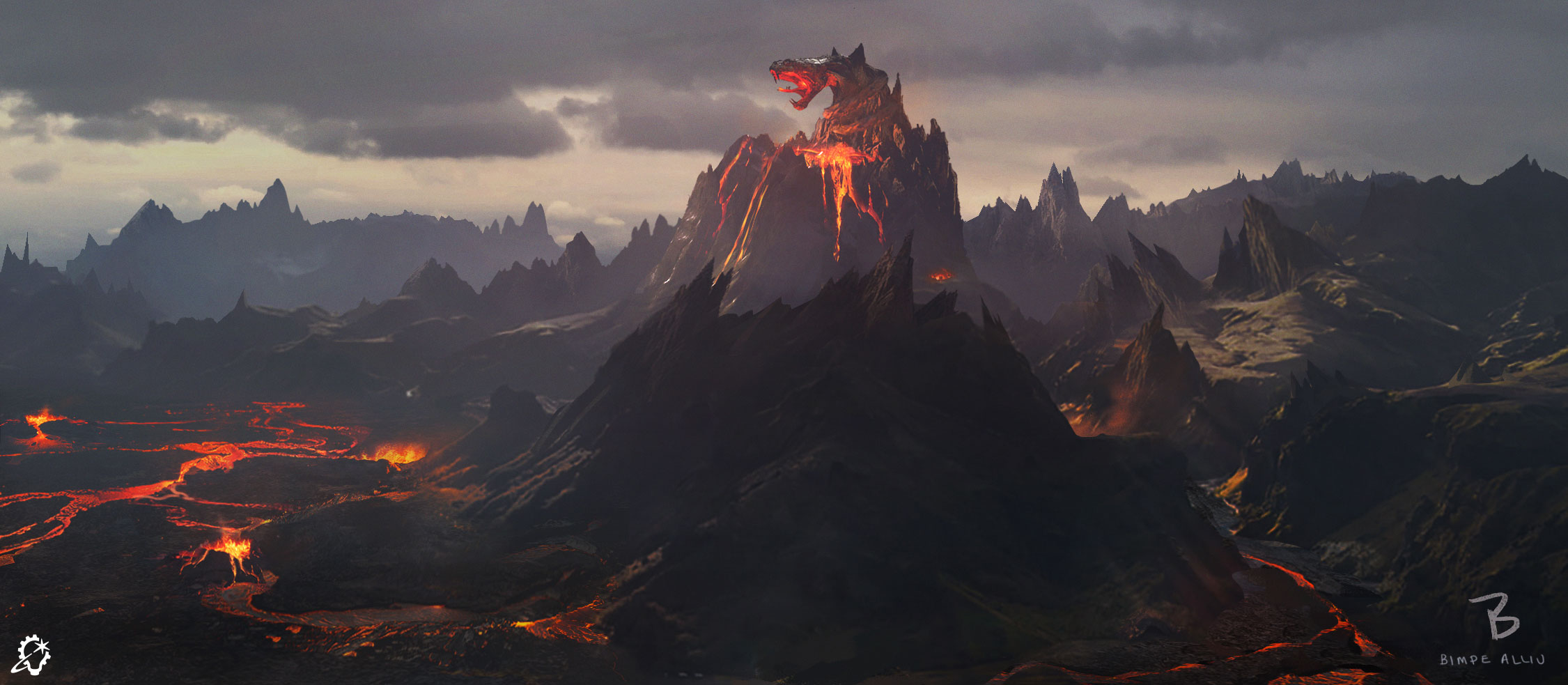
The brief for this particular concept was focused on the landscape surrounding Snake Mountain. The look of Snake Mountain itself – the really cool snake head and body – was already designed by another concept artist, so my task was to conceptualize the rest of the surrounding landscape. The director already had a location in mind as inspiration, and so, working with visual effects supervisor Pietro Ponti, I explored transforming that landscape into something more dangerous.
I think there were about five to eight explorations of the landscape, all with variations. But we paid particular attention to the mountain shape and size, as well as the lava pools. The main challenge was ensuring that the overall scale of the various elements made sense, especially the lava pools.
As well as establishing the landscape, another goal was to balance the composition in a way that drew the audience’s focus to Snake Mountain, so I tried to ensure this by directing the eye with the shape of the mountain peaks.
Icelandic mountains were definitely a main source of inspiration for the concept, but also the source material itself, the He-Man animated series, and looking at the various landscapes shown throughout the series.
I tend to listen to a lot of music as part of my overall creative process, and I think for this piece in particular, I was actually listening to a lot of old school 1990s and early 2000s pop, which to some might almost contrast with an image like this!
It was a lot of fun designing for this show. Creating the effects for She-Ra was probably the most challenging task, mainly because it was important to balance the original source material for her transformation with something that felt a little bit new, but also powerful.
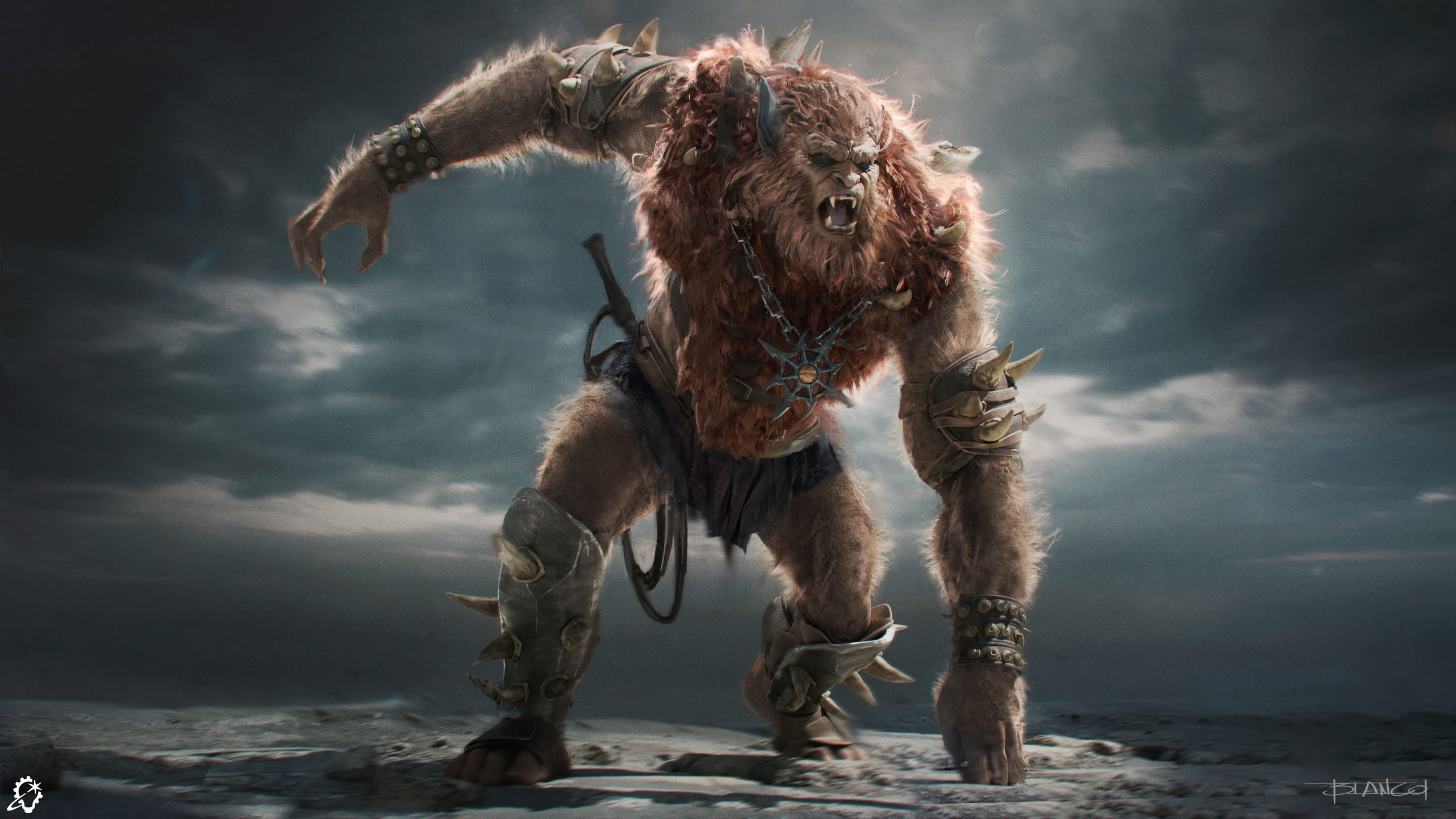
The brief for this character was to adapt the client’s existing design while incorporating a proposal developed by ILM’s visual effects team. The goal wasn’t to reinvent the character, but to refine it so it would work both creatively and technically.
The main focus was on the anatomy and making sure the proportions and structure would support the way the character was going to be animated. We also spent a lot of time exploring different poses, since they helped communicate the character’s personality and ensured the design worked from multiple angles.
Another key element was the hair. It played a big role in defining the character’s silhouette, personality, and overall visual appeal. Small changes to the hairstyle had a surprisingly big impact on how the audience would perceive the character, so it became one of the most important aspects to get right.
One of the biggest challenges with this character was finding the right balance between an animal creature and a humanoid character. It needed to feel powerful and believable like a beast, while still being expressive enough to support performance and animation. To get there, we started by studying the anatomy and movement of real animals, especially gorillas. Their way of carrying their weight on their front limbs was particularly interesting, and we explored how Beastman could occasionally adopt similar poses and movement to reinforce his animalistic side without losing his human qualities.
We took a similar approach with the fur. We gathered a wide range of references from animals like big felines, gorillas, and hyenas, looking at how their fur grows, clumps, and changes across different parts of the body. Then we adapted those ideas to fit Beastman’s design, creating something that felt grounded in nature while still supporting the stylized look of the character.
The biggest source of inspiration was definitely the original Masters of the Universe animated series from the 1980s and ‘90s. The client wanted to preserve some of the spirit and personality of those classic designs, so it was important to respect that legacy while updating the character for a modern live action film.
The client provided us with some initial concept designs for the character, and there were certain elements they were keen to preserve because they were already part of the character’s identity. At the same time, they were looking to ILM to solve some of the design challenges and come up with new ideas that would make the character work better for a live action film. A big part of the process was figuring out what should stay faithful to the original vision and where we could push the design further. It was a very collaborative process, with a lot of back-and-forth, refining different aspects of the character until we found a version that felt true to the source material while also working from both a visual and technical standpoint.
It was really interesting to see how small design choices, poses, or expressions helped define Beastman so clearly. That reminded me that a strong character isn’t just about adding more detail—it’s about capturing the right attitude and silhouette. Revisiting the original series was both fun and genuinely inspiring throughout the process.
—
See the complete gallery of concept art from Masters of the Universe here on ILM.com.