ILM visual effects supervisor Mark Bakowski and ILM animation supervisor Kiel Figgins spoke with ILM.com about sharing assets with other effects houses, creating Jean Grey’s mind-wave effects, and the epic battle between Spider-Man and the Hulk.
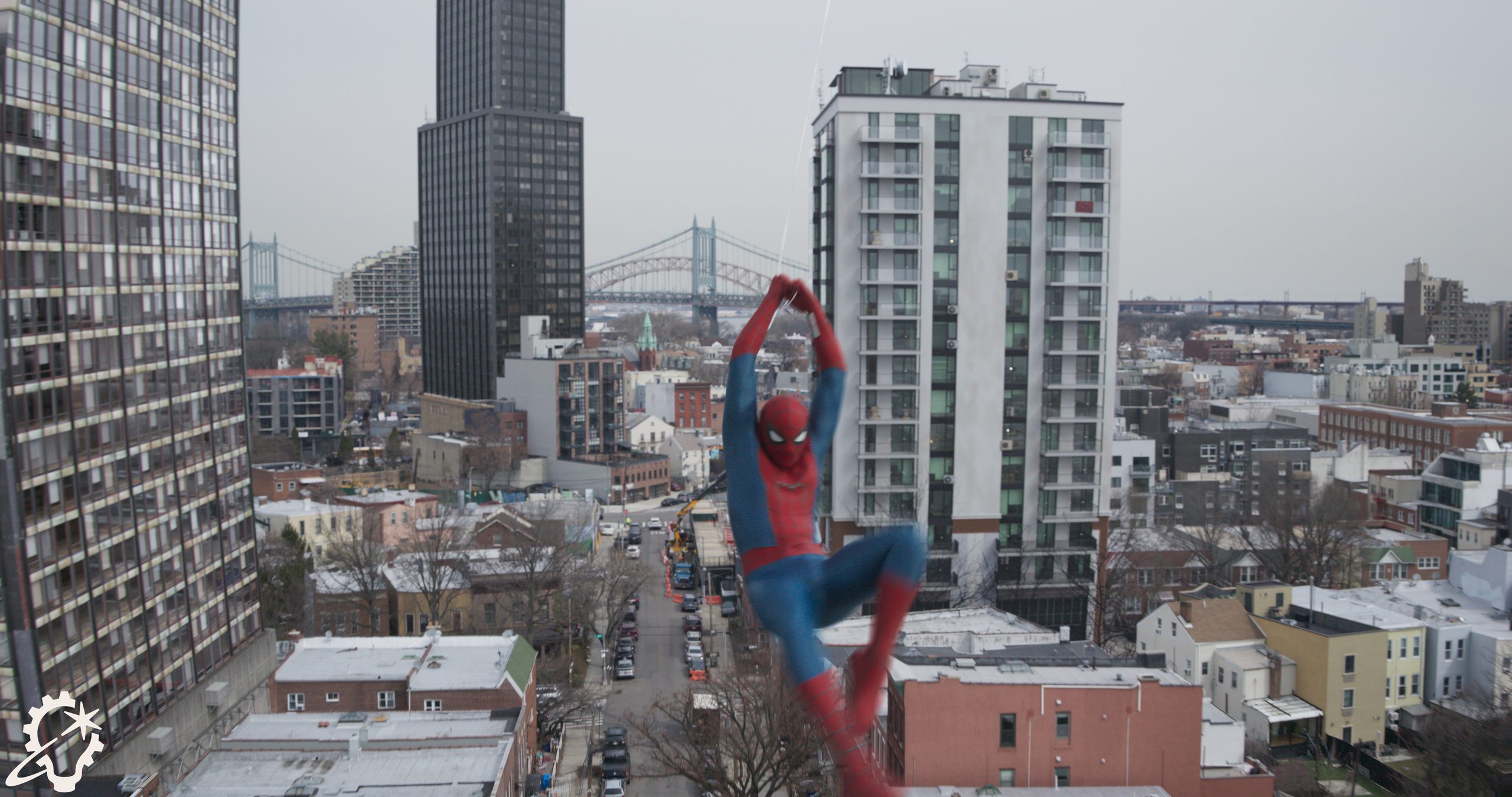
It isn’t a Spider-Man movie without plenty of shots of the masked superhero slinging webs while flying between New York skyscrapers on his way to capture a bad guy. But the filmmakers of Spider-Man: Brand New Day (2026) sought a realistic look for Spidey’s exterior flying scenes.
“Often, Spider-Man will just send a web into the air, and they’ll web onto something invisible and fly from place to place,” notes ILM visual effects supervisor Mark Bakowski. “Here, there was a push from the director Destin Cretton and production visual effects supervisor Jerome Chen to have this be more realistic and for the physics to be more grounded.”
In practice, this meant adding in buildings to help with the logistics of Spidey’s movements and paying attention to the weight of Spidey’s turns and the acceleration of his movements. “It’s very tempting to make Spider-Man fly too fast,” says Bakowski, “but that kind of blows the scale of things. They were keen to keep it more realistic in terms of weight and the speed of how long it takes to get from A to B.”
ILM animation supervisor Kiel Figgins credits actor Tom Holland’s embrace of the character with helping the ILM artists bring details to Spider-Man’s digital counterpart.
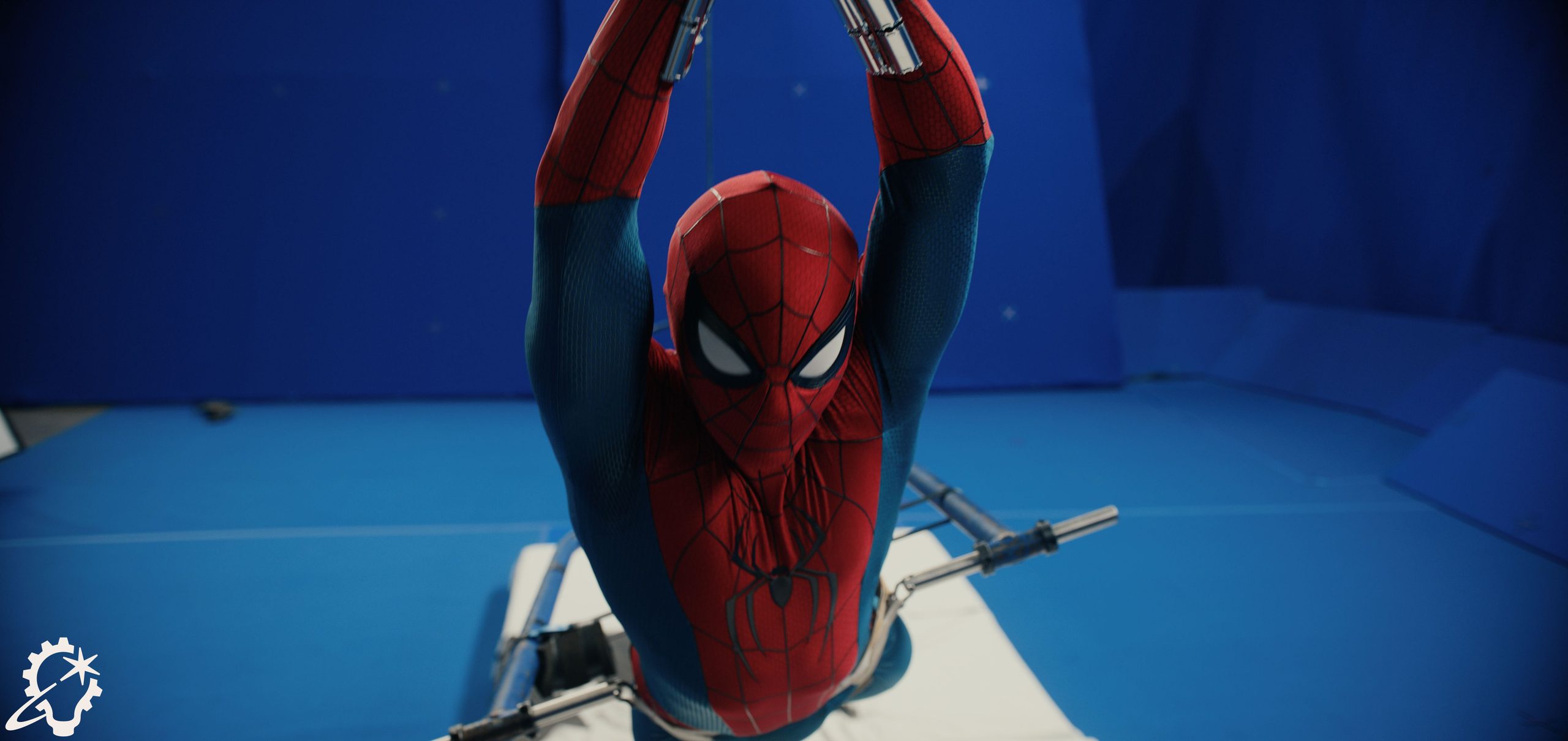
“When Holland’s in the suit, he’s doing a lot of the performance,” says Figgins. “He’s doing the heavy squats and the jumps and flips and punches and stuff like that. So anything that he does gives us an amazing reference when we see the plate. Where we need to accent. What performance we can pull from it. But also seeing how the costume moved, how his anatomy changed. This gave us such a tremendous base to go from as reference for when our digital Spider-Man was next to him or in shots before or after a plate shot.”
Several visual effects houses worked on Brand New Day, which meant assets like Spider-Man and his webs needed to be shared to ensure a consistent look throughout the film.
“Marvel likes options,” says Bakowski, “so different teams can be working in parallel to see who gets there first, pitching different ideas. It’s a bit of a melting pot. Our client-side supervisor, Jermone Chen’s, job is to put it all together and choose the best bits for everyone to follow in line with each other, to get it all to match as much as possible.”
In some cases, effects houses shared shot assets when it made sense. For example, one house with several window-replacement shots might do the same window replacements in another house’s shots so the work could be done quicker and more efficiently while maintaining a consistent look.
One of the best examples of shared assets in Brand New Day is Spider-Man’s organic and synthetic webs.
Bakowski likened Brand New Day’s organic webs to the look of those in the Andrew Garfield Spider-Man films, which had an iridescent look when they caught the light, while the synthetic webs had to visually appear much different.
As Bakowski explains, “Where the organic web has more of a classic spidery structure, the synthetic web has a more random look to it. It’s messier, kind of a rejection of the organic web. So where one is more of a classic spider web, the other is kind of more, I suppose, a mess.”
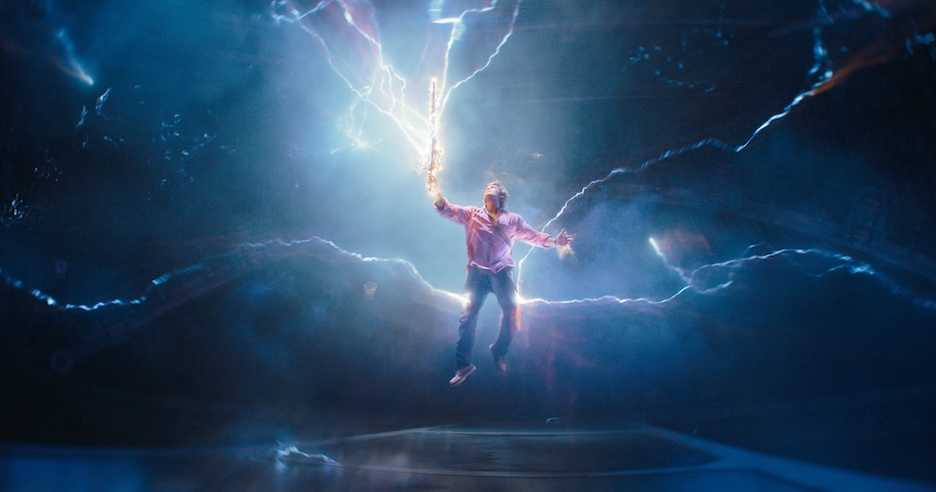
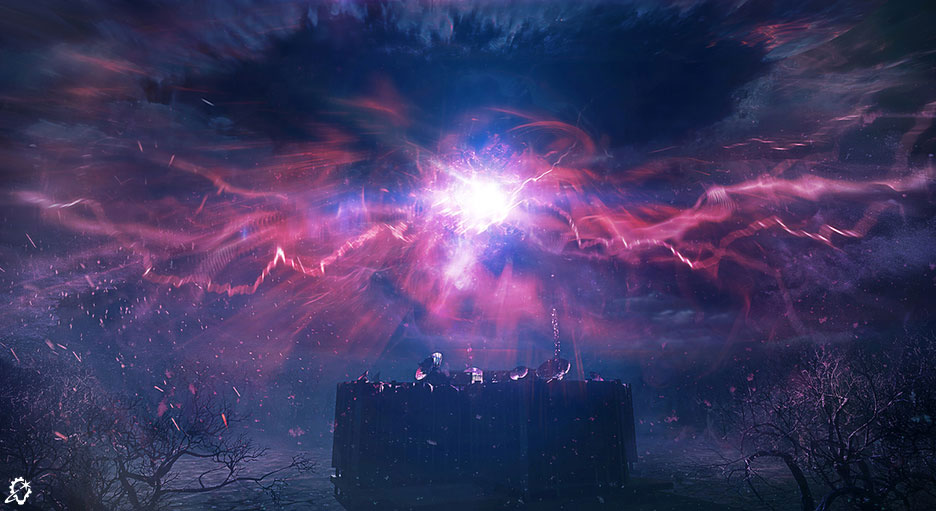
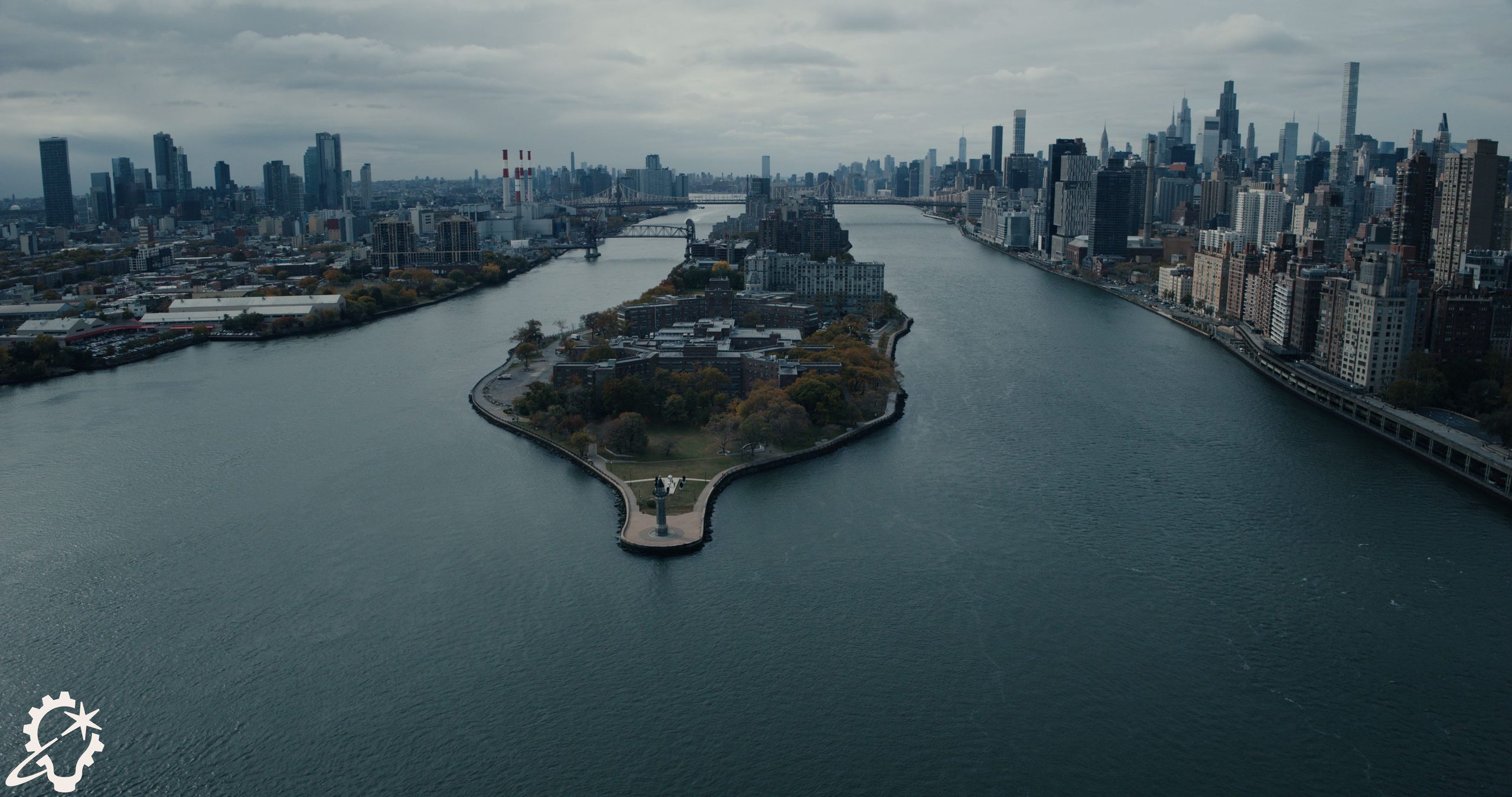
One of ILM’s biggest challenges in Brand New Day centered around the powers of the film’s surprise villain, Jean Grey. Trying to save her missing sister throughout the story, Grey uses her mutant powers to take control of people’s minds. Grey’s ability to hop from person to person later expands to an enormous mind wave that freezes a large section of New York City.
“We went through several iterations on that,” notes Bakowski, “experimenting with different looks. And then we had to share that with other vendors and make sure our templates were compatible with what everyone else was doing.”
Early references pulled for the mind wave included the shimmer bubble in Annihilation (2018) and WandaVision’s (2021) Hex Wall.
“The client was very open towards our interpretation of it at the very beginning when we started the project,” Figgins says. “So we did a lot of really fun tests on how this mind wave might physically jump like from person to person, like a frog uses lily pads to a pond, or how it might spread out like ripples and waters and orbs and geometric shapes and what have you. Different types of shaking and time warping, pulling from different films like Doctor Strange [2016].”
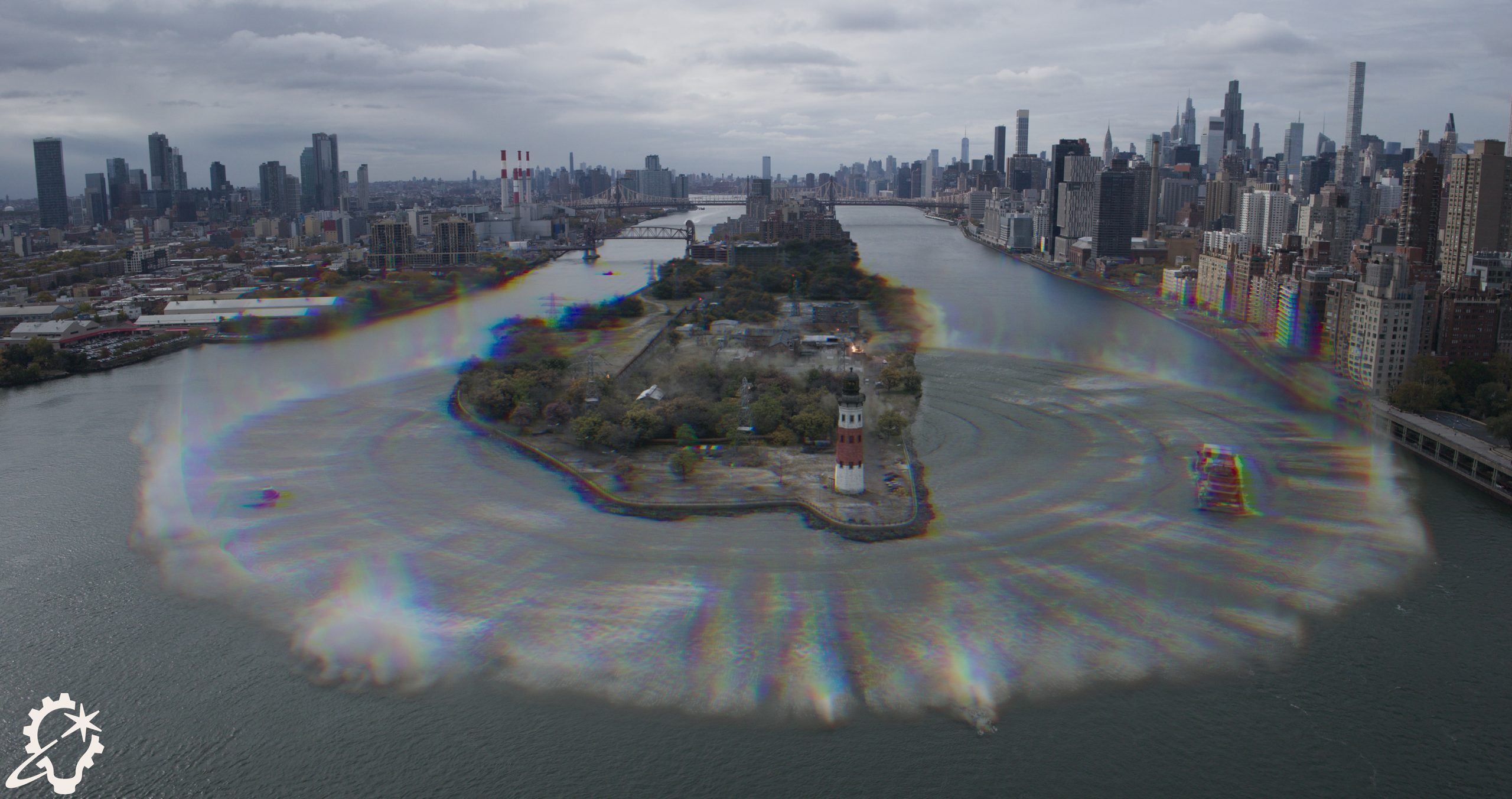
In the film Logan [2017], when Professor Xavier loses control of his powers during a seizure, the center of the image is somewhat stabilized while the exterior parts of the image are moving. In Brand New Day, the idea was for the people to shake instead of the environment.
“There were lots of discussions about how people could shake,” Bakowski says. “We talked about literally hanging people from wires for them to physically move by using a shaker rig or prodding them with sticks.” One idea would have used Gaussian splats to jerk individuals into different environments. This idea evolved into making people vibrate in different ways, which led to experiments using different practical as well as 2D and 3D digital techniques.
As the mind wave was new to Brand New Day, ILM artists had to ask a lot of questions about how it would behave and look from a variety of angles. These included whether the wave would have a physical edge, what that edge would look like, and whether the wave would have any kind of mesh to it.
“Because you see it from so many different angles and so many different perspectives, what works for one angle doesn’t necessarily work for the other angles,” notes Bakowski. “So it’s constantly triangulating and thinking about it from different positions and different storytelling ideas to make the whole thing work.”
While initially the mind wave included a spectrum of colors, ILM settled on a more organic chromatic look with a subtle pinkish hue, an intentional nod to the pink colors regularly used in X-Men comics to illustrate Grey’s powers.
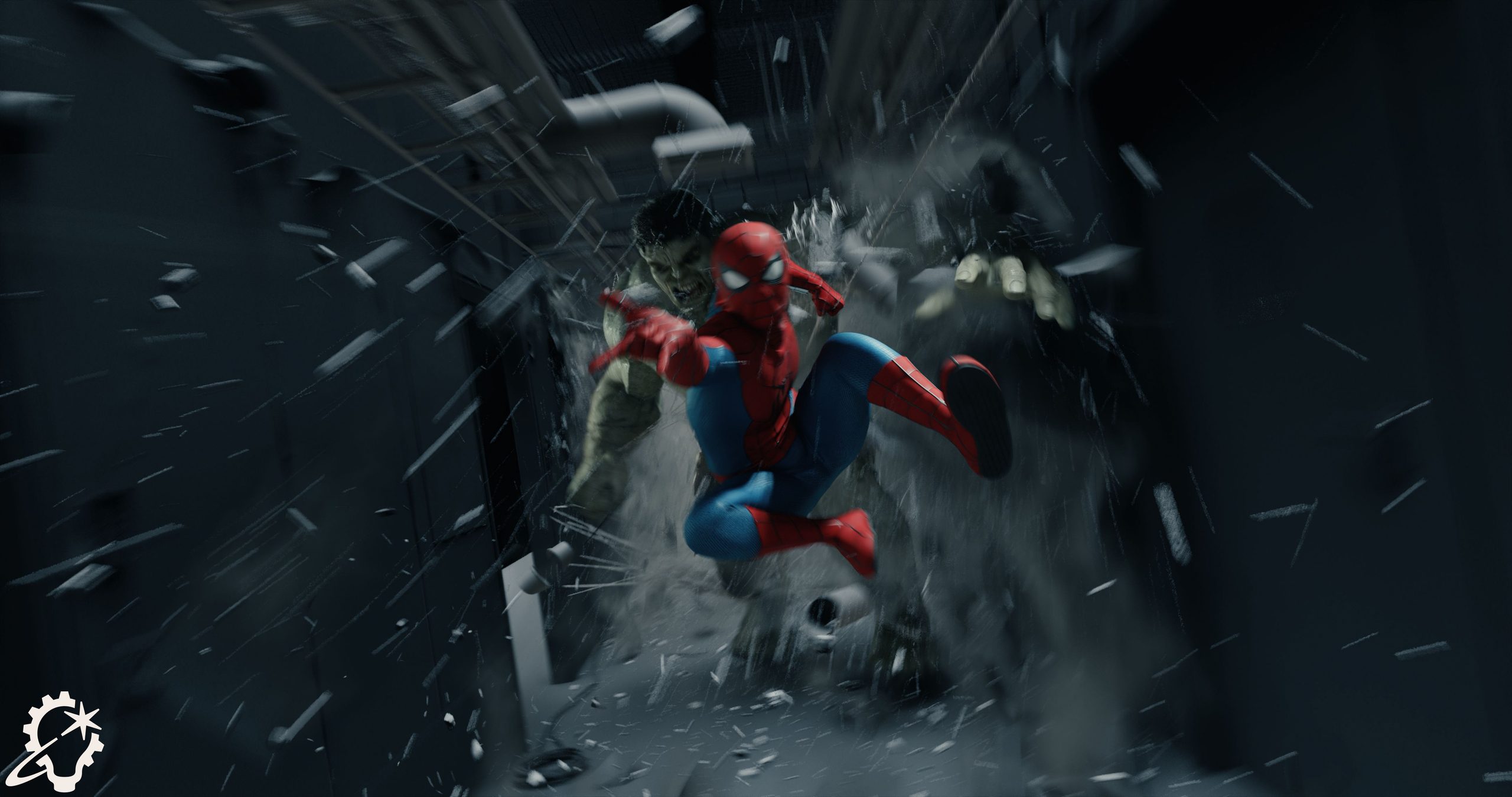
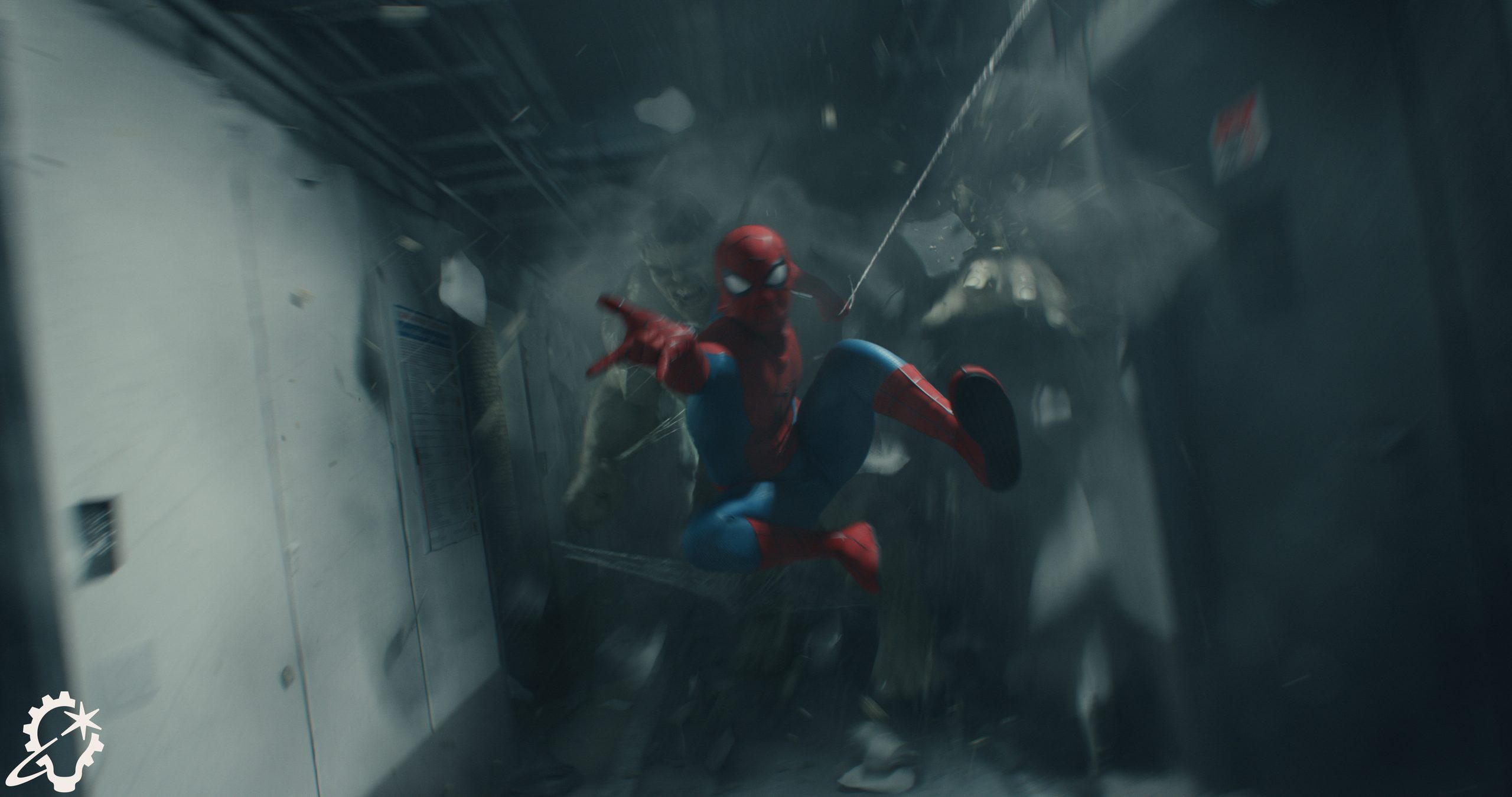
The main sequence ILM contributed to in Brand New Day involved a complex fight between Spider-Man and the Hulk inside and outside the Department of Damage Control building.
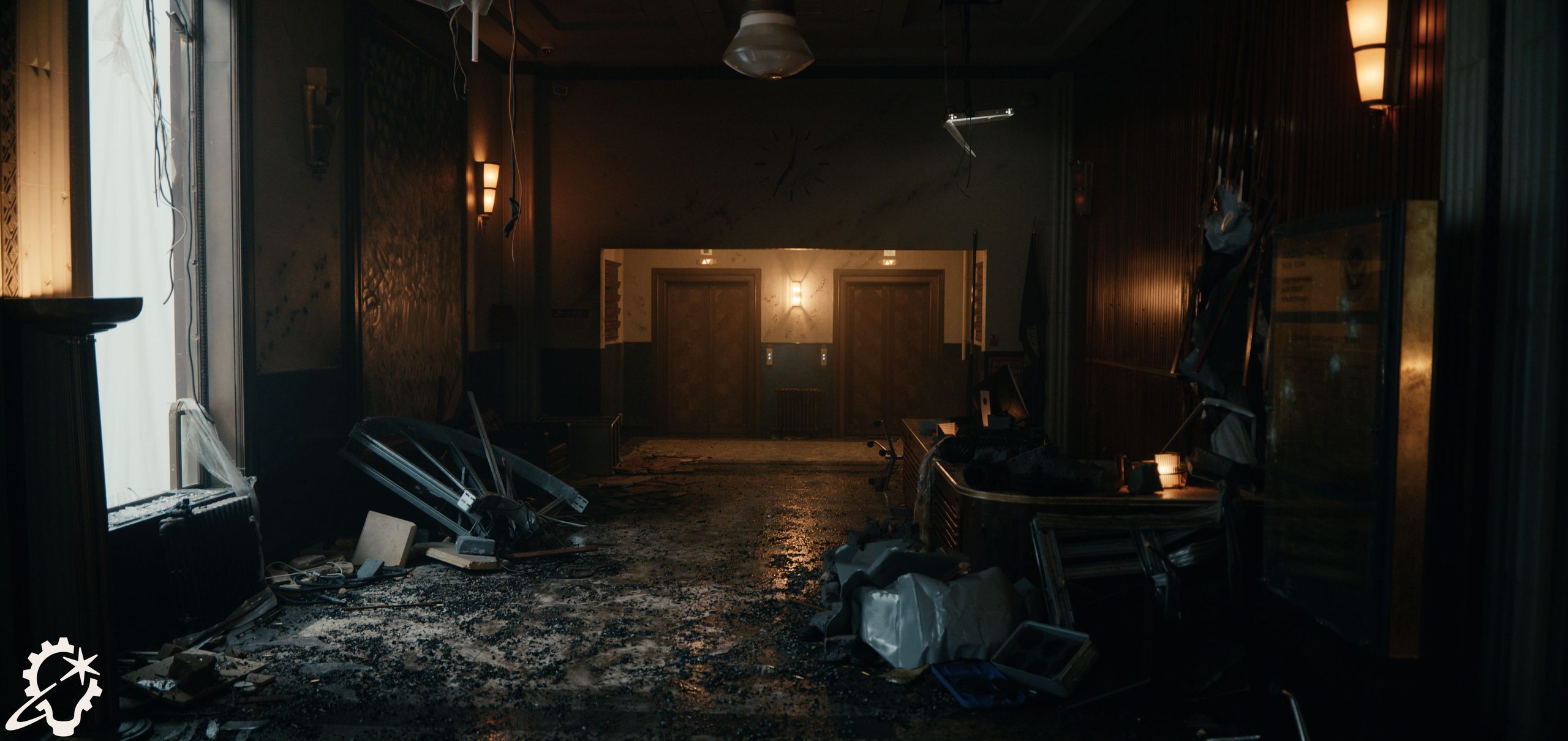
The building’s interior set was practical, but digital effects enhanced the destroyed version of the rooms and filled in gaps needed for a smooth story progression.
“For Hulk and Spider-Man to get from A to B on a certain shot, we had to recreate a digital world to go from one position to another,” says Bakowski. “Or there’s a corridor that Hulk chases Spider-Man down, which is fully CG. A lot of it is very practical-based, but of course, enhanced with lots of digital effects, destruction, and then some fully CG sections here and there to make the story come together.”
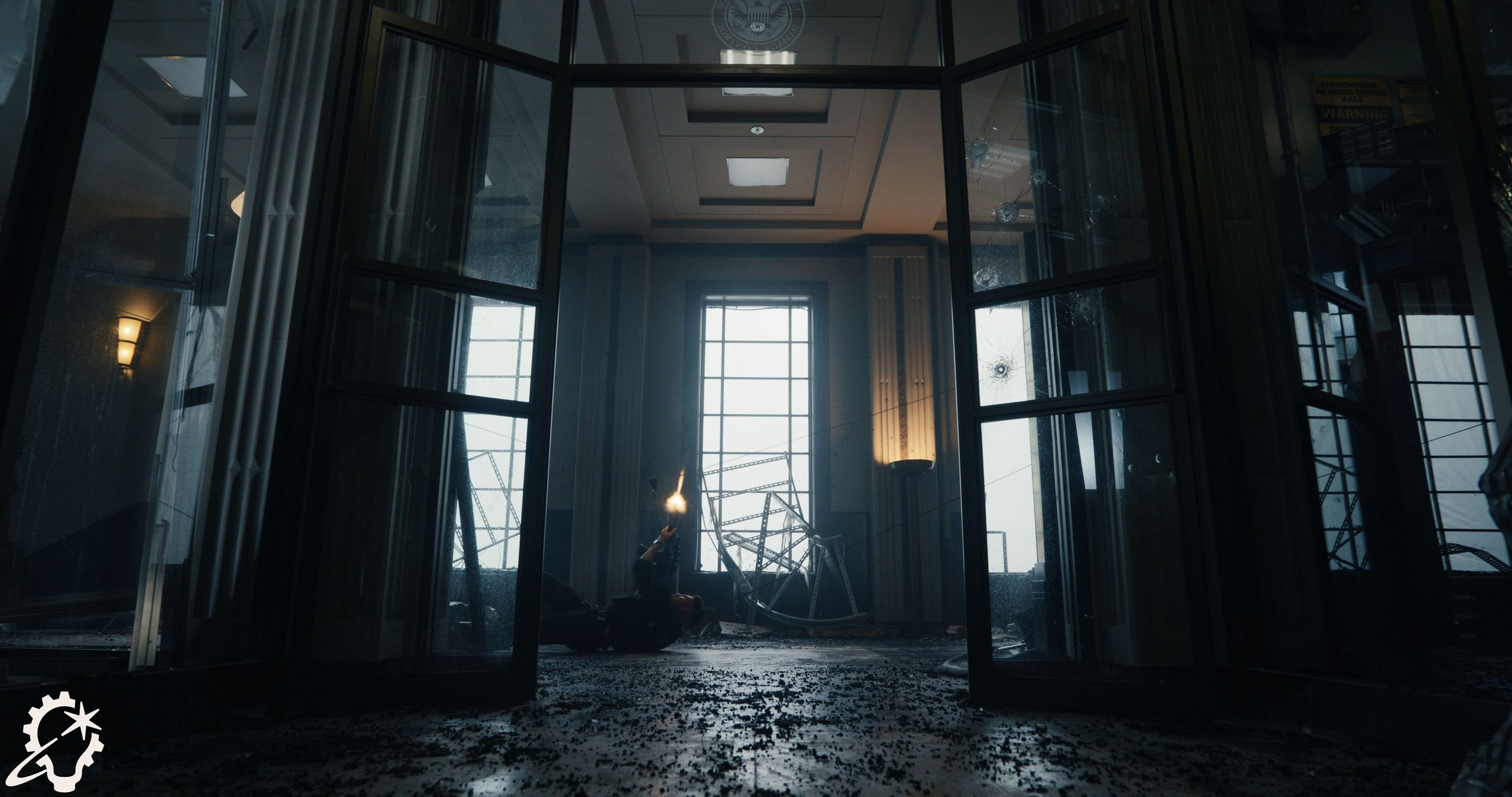
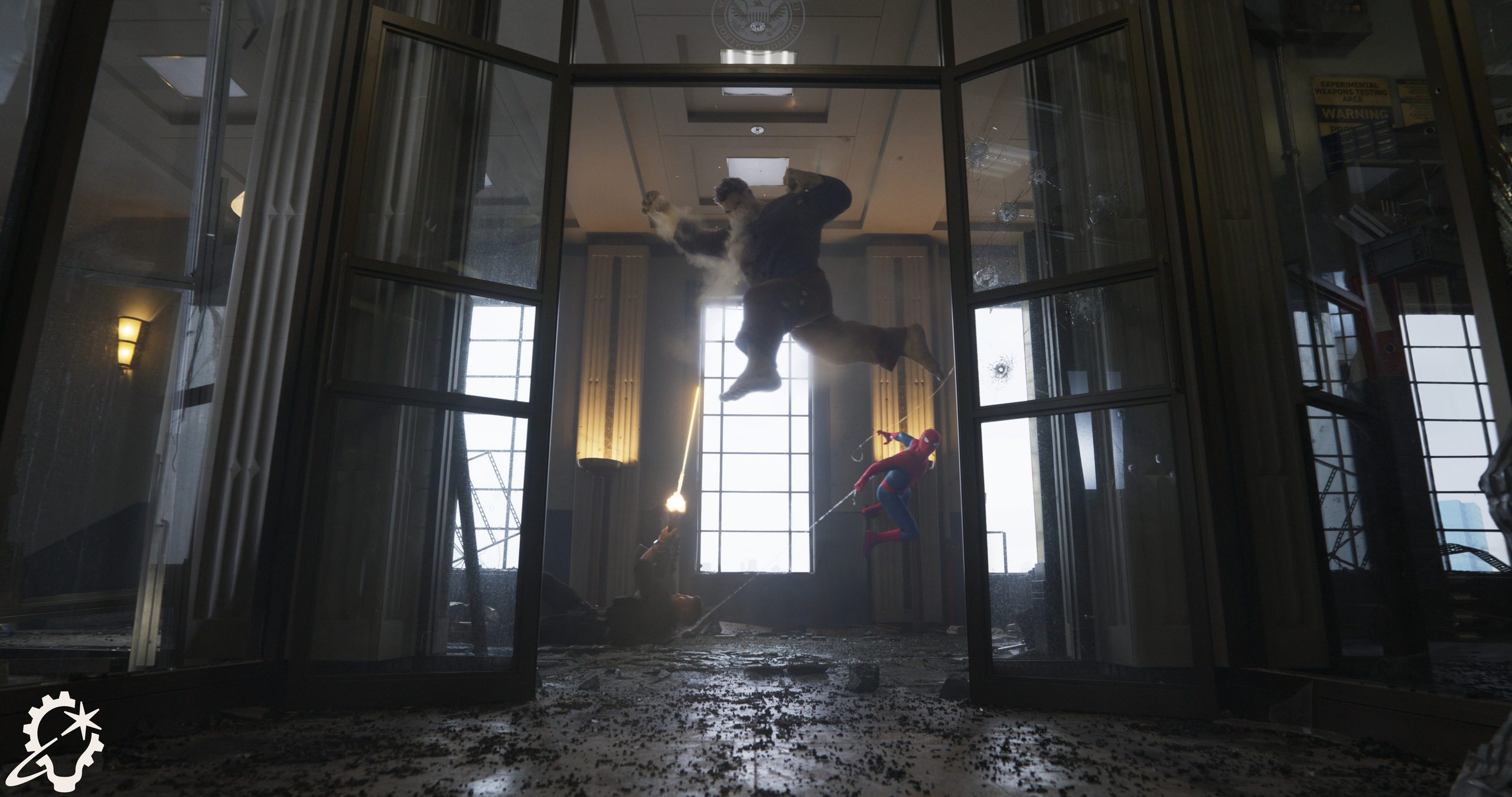
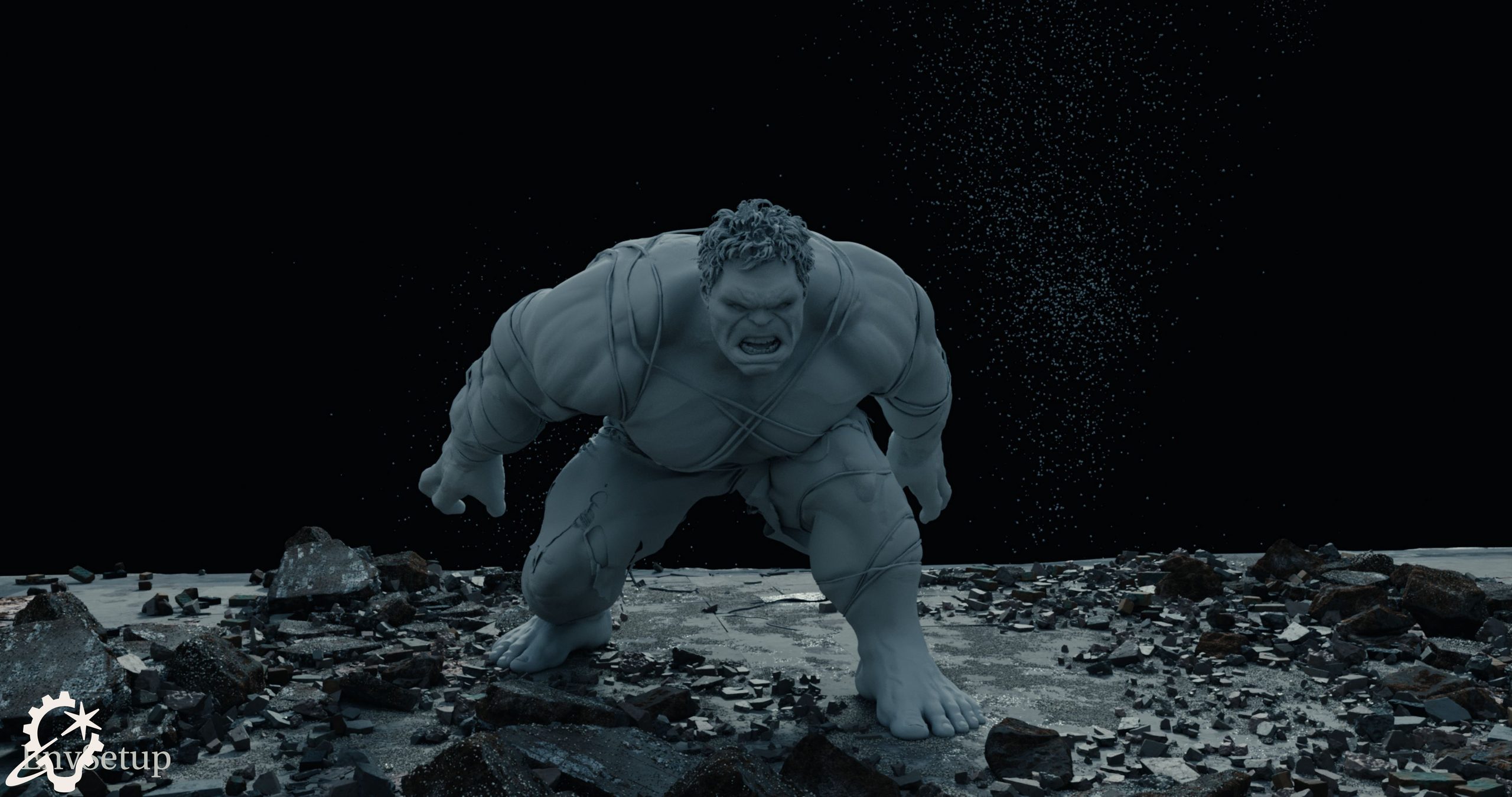
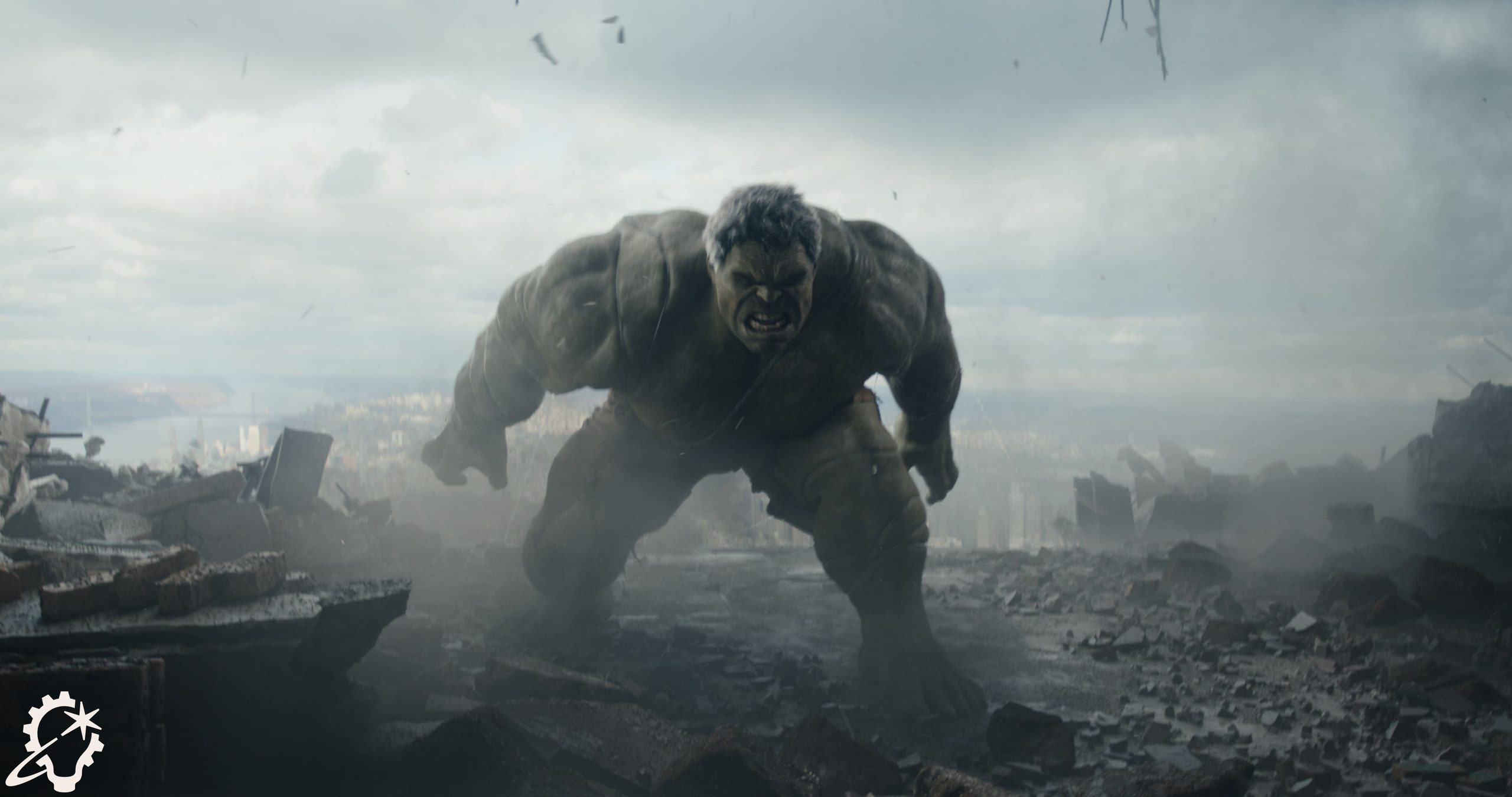
For shots featuring Smart Hulk, ILM artists went back to films like Avengers: Endgame (2019) to match the look of Bruce Banner’s calmest alter ego. Artists aged Smart Hulk to match actor Mark Ruffalo, adding in a bit more salt-and-pepper hair and paying attention to details of his performance to match the cadence of his walk and the way he tilts his head.
When Jean Grey releases Bruce Banner’s mind, something triggers a more dangerous transformation than MCU fans have seen in quite some time.
Enter Savage Hulk.
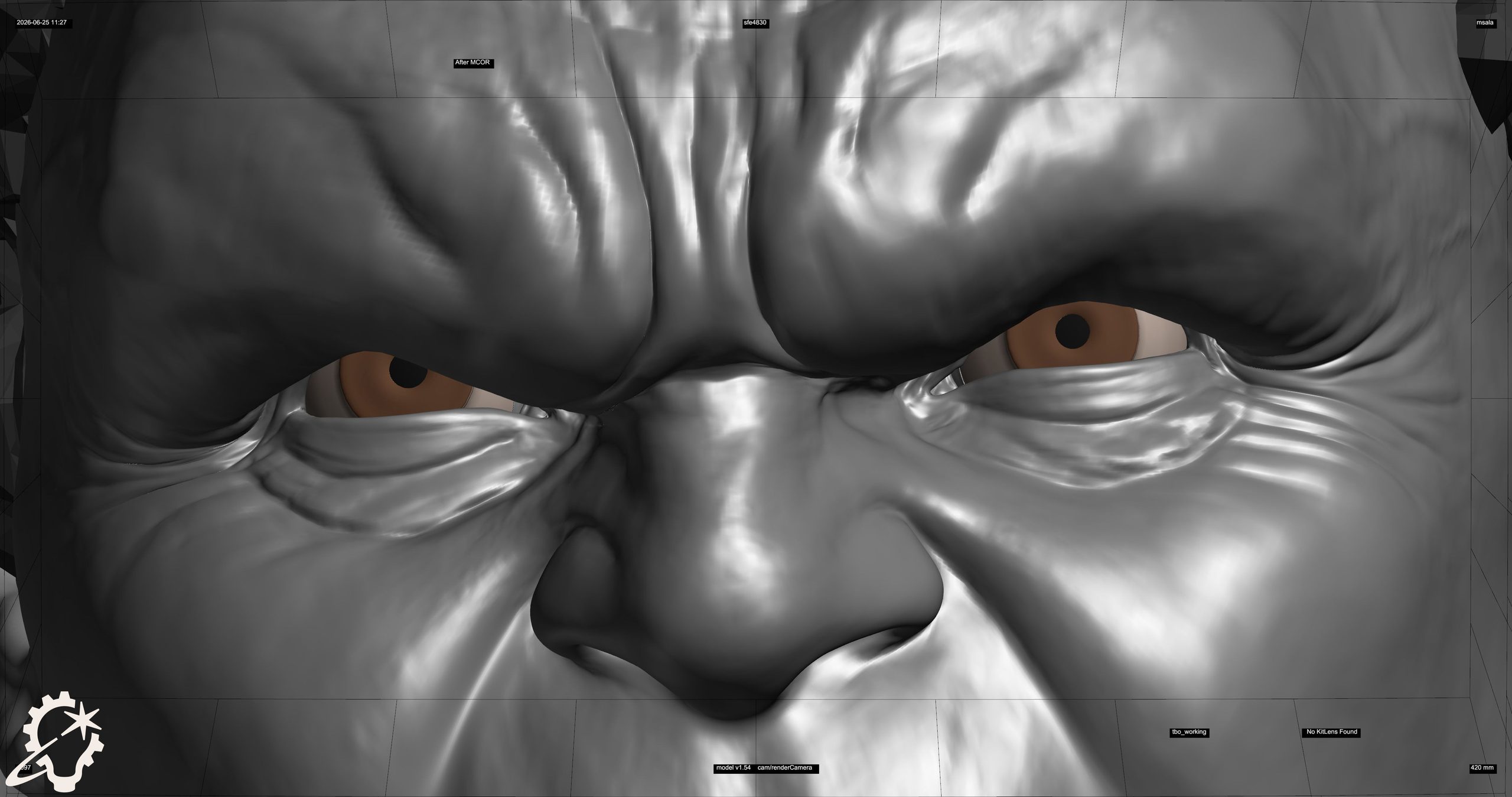
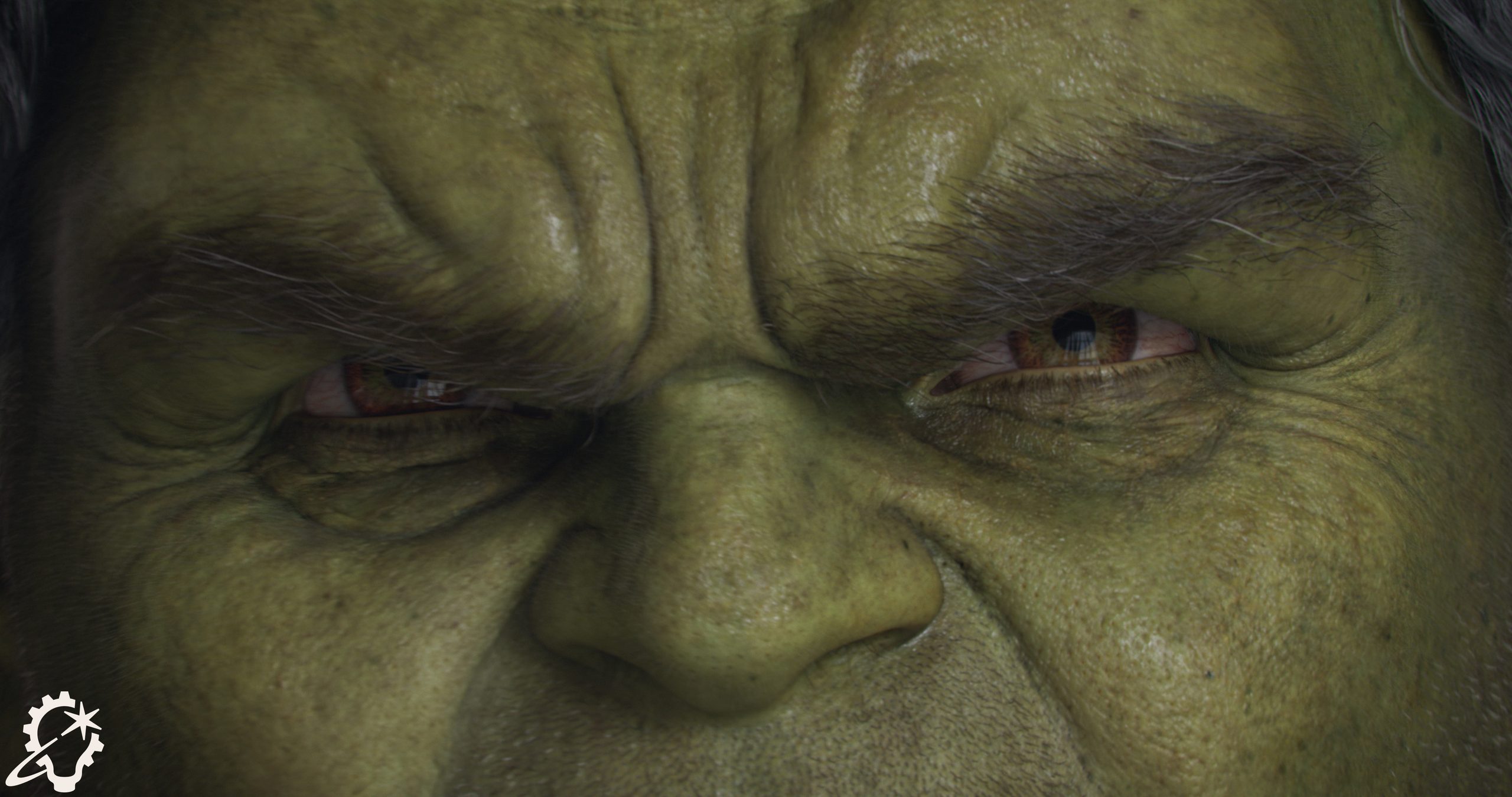
Bigger. Meaner. Deadlier. All of these words could be used to describe Brand New Day’s Savage Hulk. And filmmakers wanted audiences to see the difference between the Savage and Smart versions of Hulk from the beginning of his transformation.
“There was an urge to show the scale difference in that transition moment to really stack him up against Spider-Man, so you understood the scale of the character and saw that in more detail,” says Bakowski who also noted the importance of highlighting the agony of the moment for Banner.
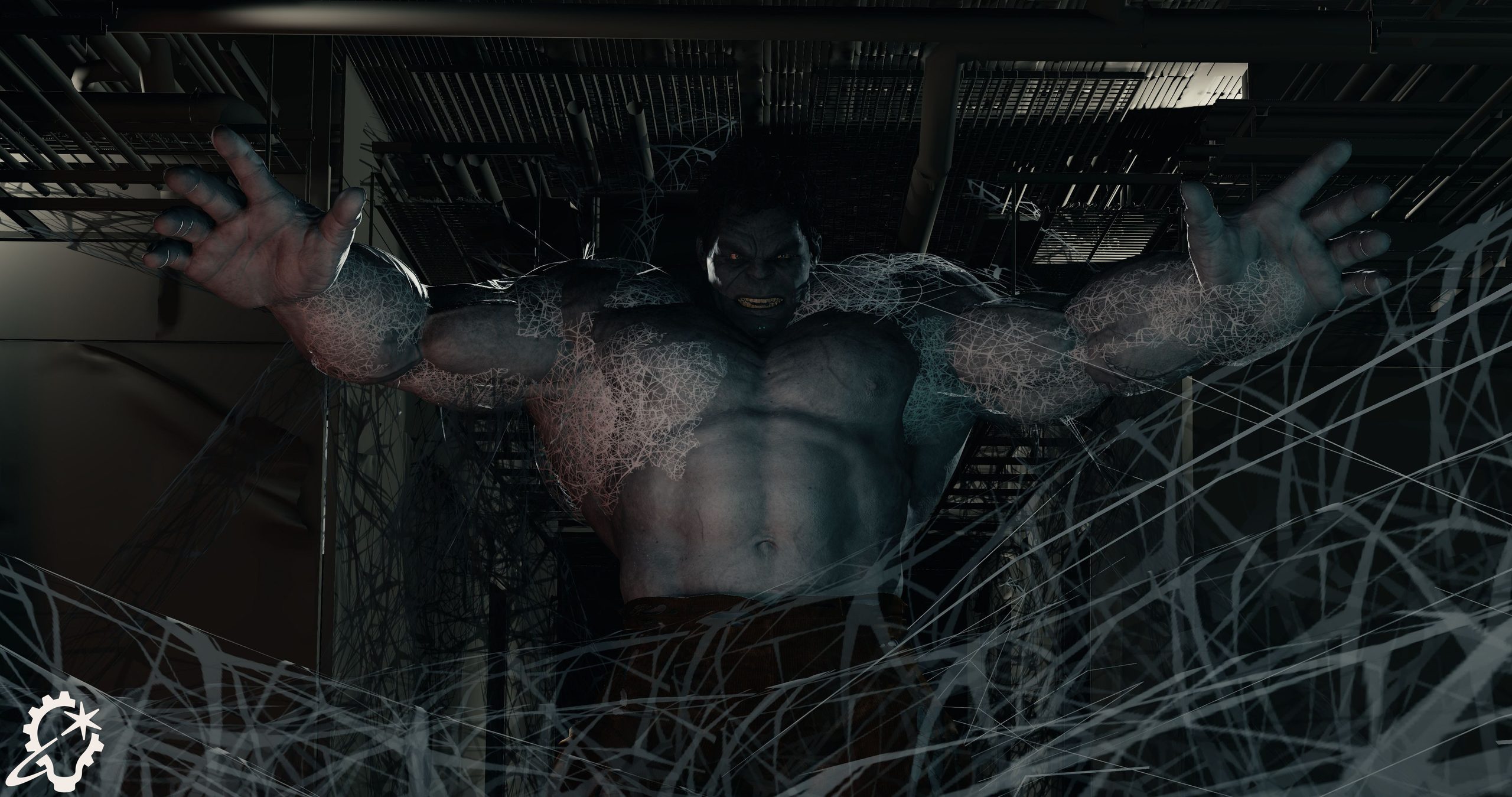
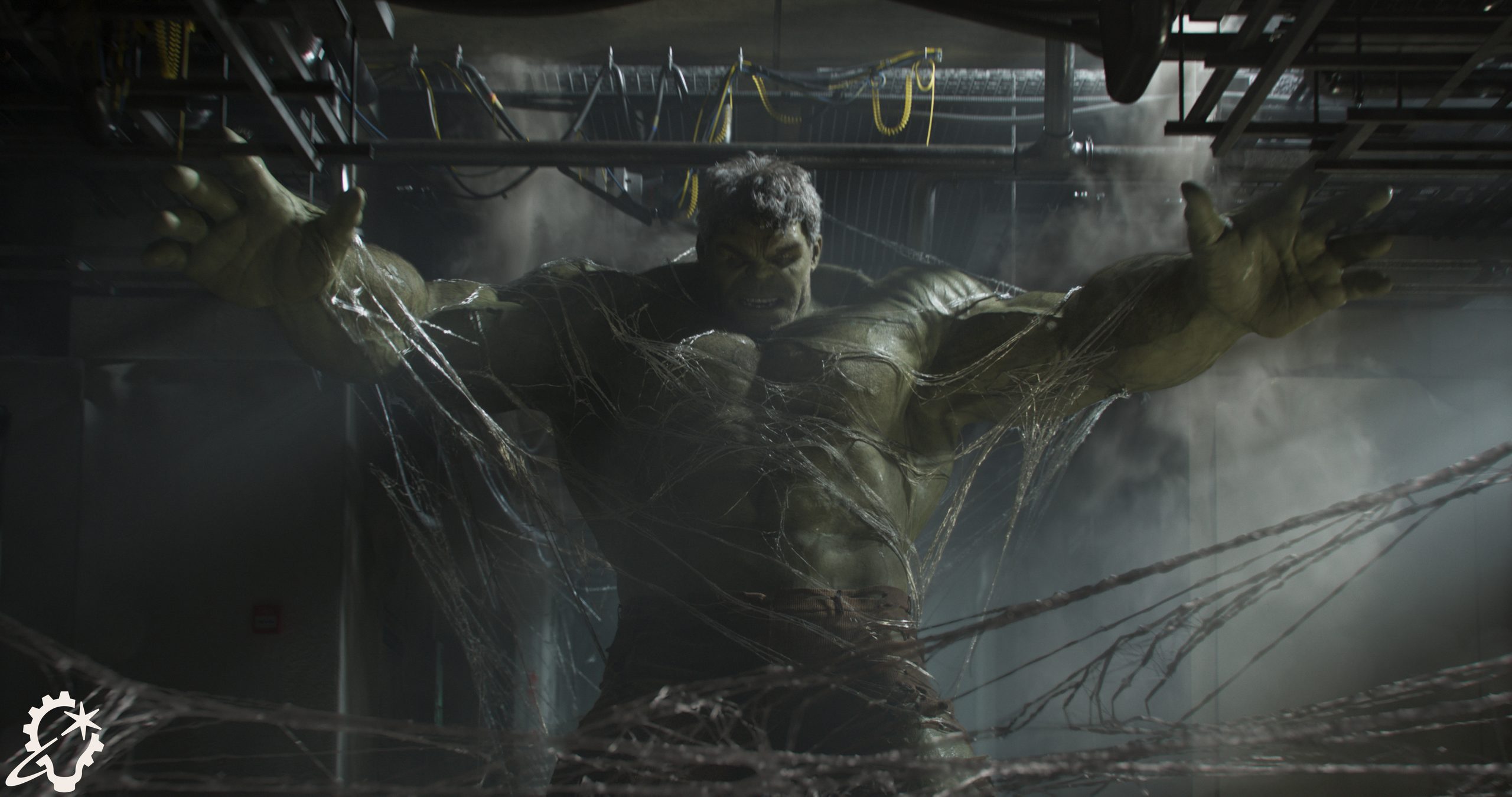
Selling how big Savage Hulk is to audiences was always on the mind of the animation team. Since Savage Hulk is hunched down in many shots, making him roughly the same height as Smart Hulk in the frame, animators often focused on the character’s width.
“We always tried to emphasize the lateral width of the pose wherever possible,” says Figgins. “We’d try to have a little bit more Hulk on both sides of Spider-Man, so it felt like he was always around him, and bigger than him.”
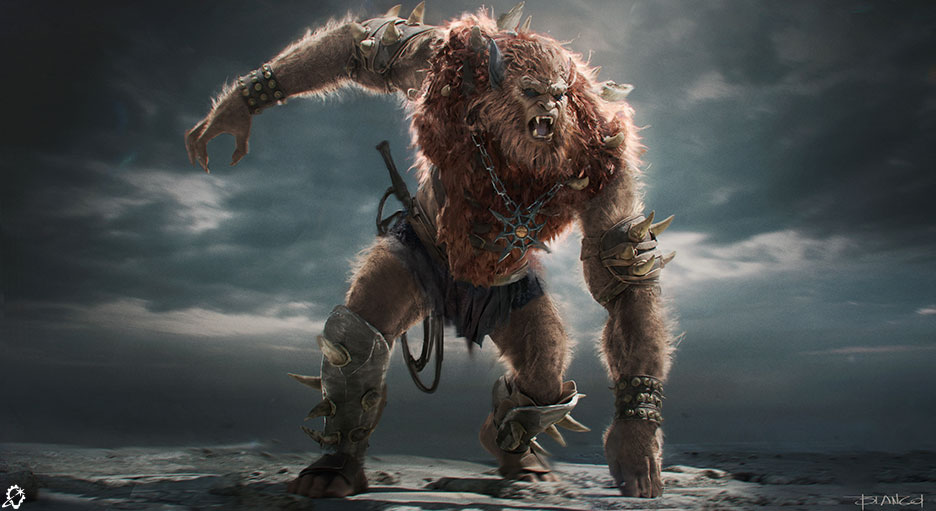
Savage Hulk in Brand New Day stands about a foot and a half taller than previous Hulks and has slightly different proportions, such as a smaller head and longer arms.
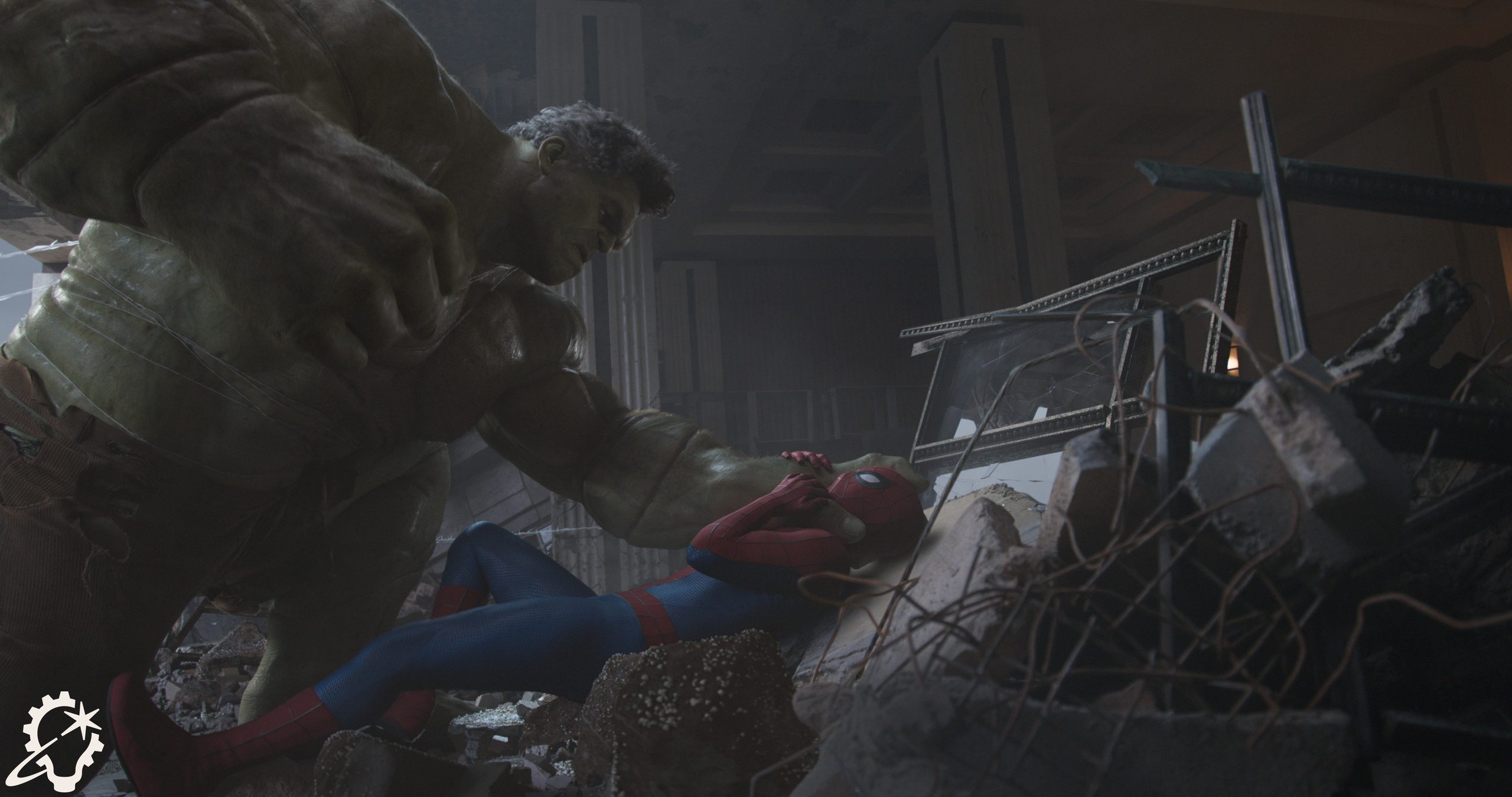
Likening previous Hulks to angry toddlers, Bakowski describes Savage Hulk as “less in control of himself, as well as physically larger and stronger. Performance-wise, he hasn’t got quite the levity or the lightness of your regular Hulk.”
With a new Hulk template to work with, ILM artists experimented with Hulk’s skin color, what his hair would look like, how red his eyes would be, how much stubble he would have, and what the right level of sweat would be for the character.
As Savage Hulk moved around, dirt built up on his body and clothes, creating both a creative and continuity challenge for the ILM artists. Having complete ownership of the Hulk assets on Brand New Day was a bonus for Figgins and his team. Not having to share the assets with other vendors or even other ILM sites outside London meant all internal development of the Hulk could be more flexible.
As Figgins explains, “We weren’t waiting on notes from other vendors to make our work happen, and we weren’t needing to be as rigid about deadlines because we had to hand it off, so we could keep changing things to improve different shots.”
For example, the animation team realized during their work that the bottoms of Hulk’s feet needed to get dirty during his fight with Spider-Man.
“He’s been running around in all the ash and bullet casings and stuff like that,” says Figgins. “Changing the shape of the foot because he’s jumping around a lot more is not something you necessarily think about with a character until you really get to a shot. So, it was really nice to be in control of both the asset and the sequence.”
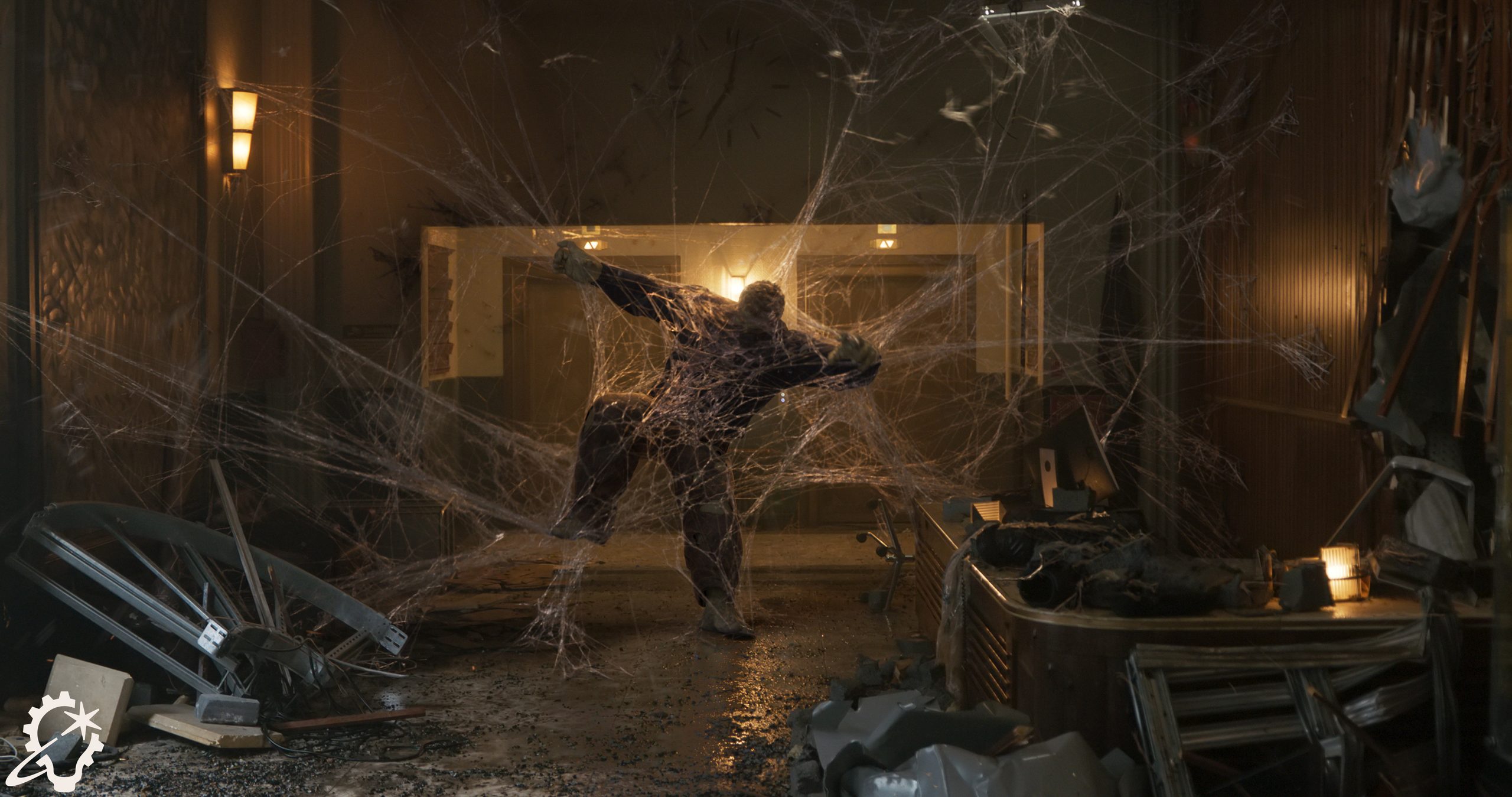
Motion-capture work was done for Savage Hulk to create a reference for animators. Bakowski credits the ILM animators for making Hulk’s movements look so real. “It’s down to the skill of the animators getting the slowness of the turns, feeling the weight of the body and the momentum of the arms and legs. When he comes to a stop, he doesn’t do so instantly. Just understanding the scale of Hulk and the impact he has on his environment, framing him the right way so you feel the scale and so he fills the lens.”
ILM captured footage on set using ILM Technoprops head-mounted cameras to drive a lot of the performance. During postproduction, an ILM team was sent to Italy, where Ruffalo was filming another project, to capture additional footage.
“He’s there in his hotel room, and the crew is fitting an HMC on him, and he’s just going for it,” says Bakowski. “He was giving it his all, roaring and screaming in his hotel room, which was directed over Zoom. He was just so game for it, which is fantastic.”
Early notes from Cretton let the animation team know his vision for Savage Hulk wasn’t just to have him slamming things around, but should also include flashes of intensity and rage to show how dangerous he is and how unpredictable his actions are.
Figgins also valued Cretton’s trust and confidence in the team to make Savage Hulk a collective vision. “The incredibly close-up shots that we did for the Hulk at the end, before he falls off the building, were really exciting because there was an honest sense of trust between what we were doing and the authenticity you were trying to bring to the character, as well as the director’s vision in trying to achieve that.”
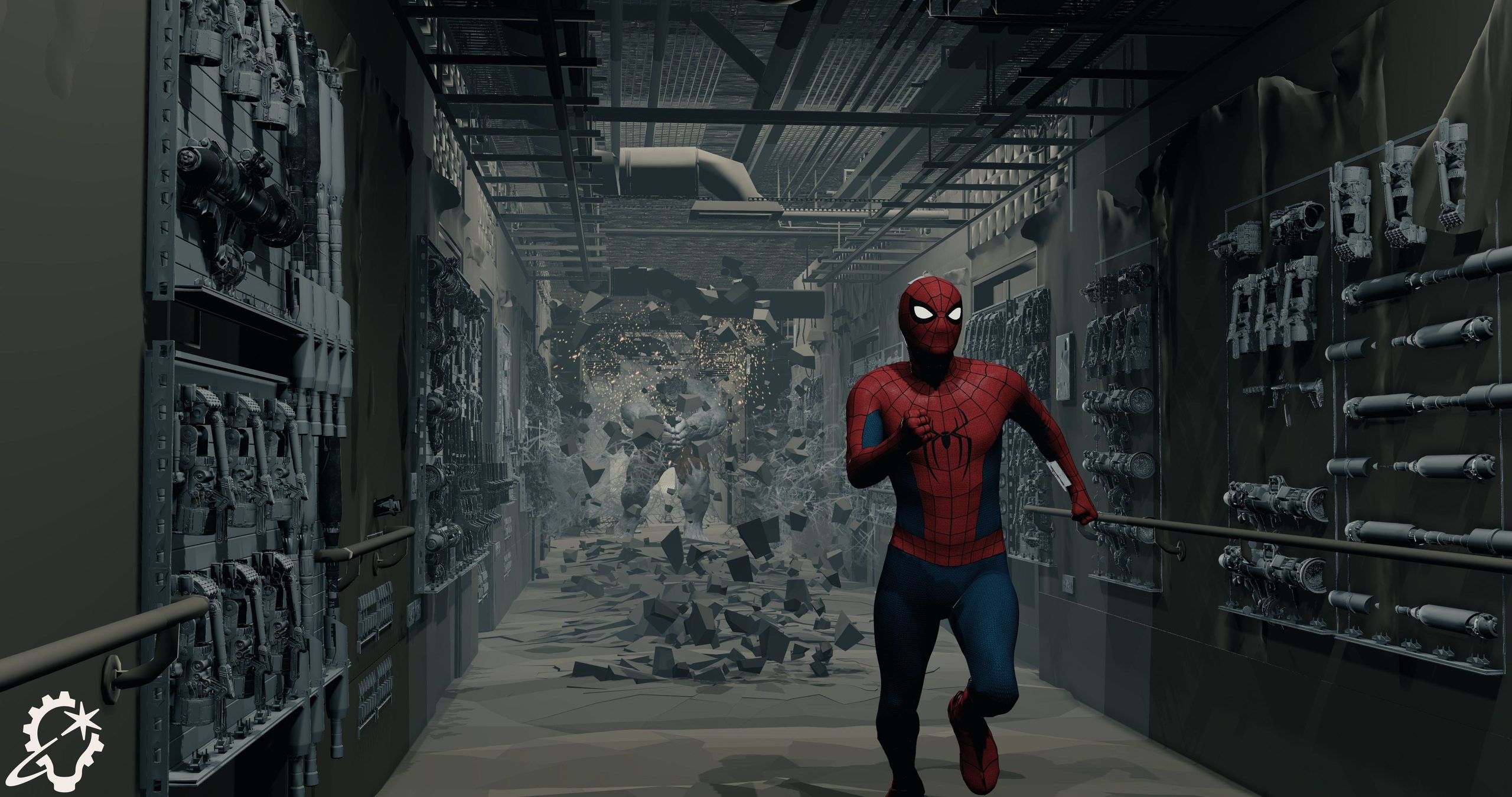
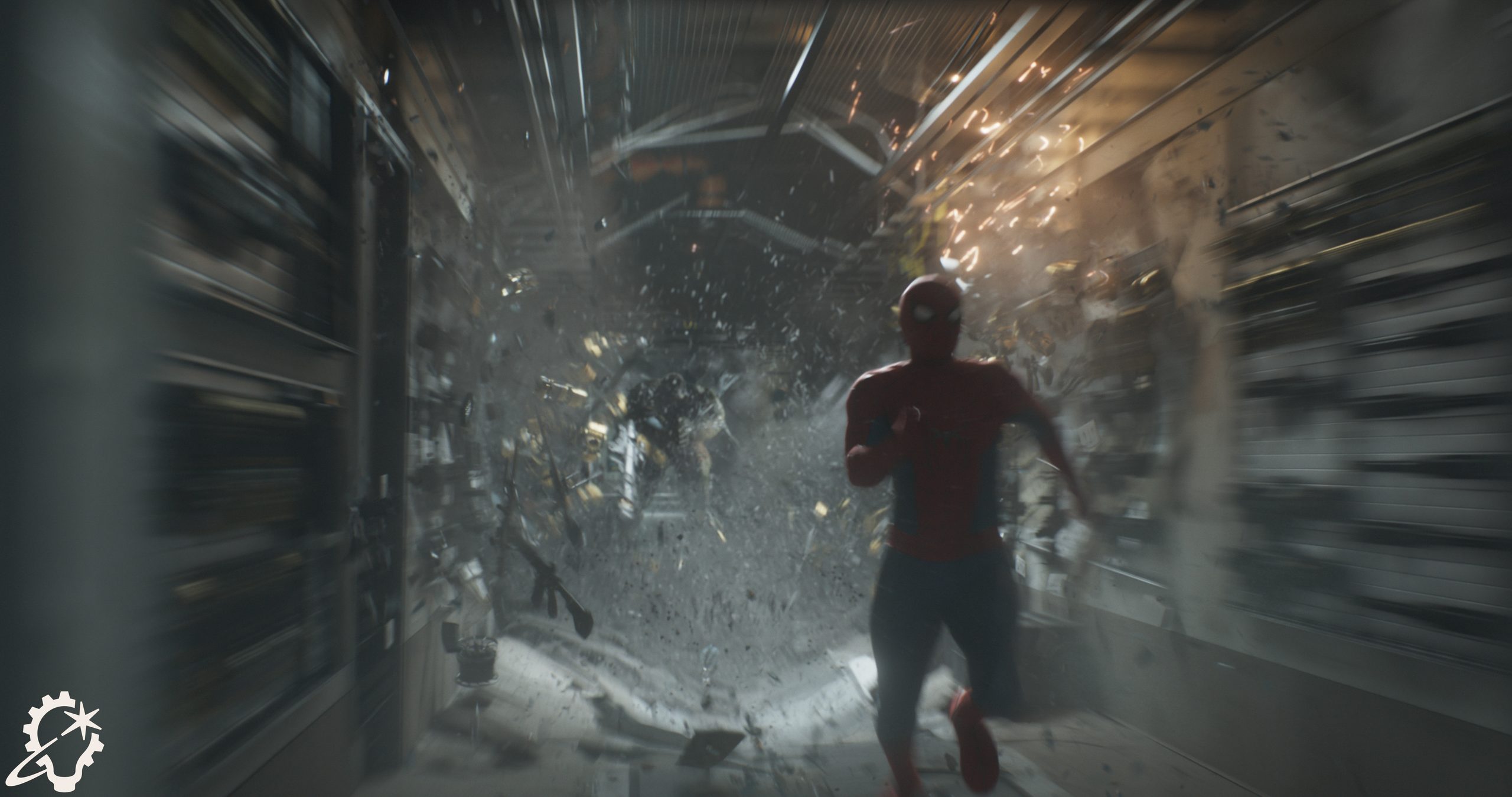
Throughout their work on Brand New Day, ILM teams used a variety of methods to help make everything look as real and grounded as possible.
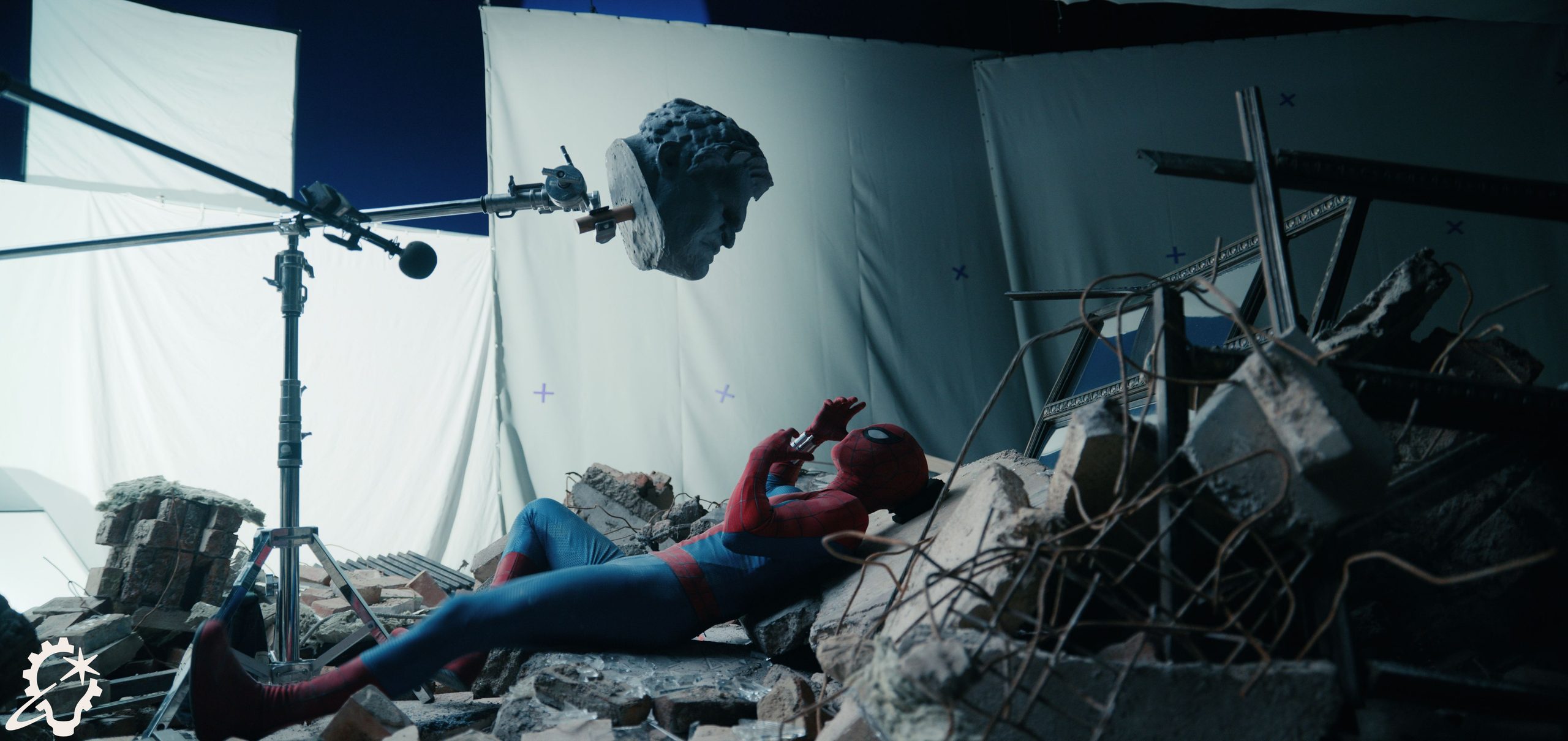
On set, a giant 9-foot-tall Styrofoam Hulk reference model helped show how big Savage Hulk is. Even with this stand-in, ILM used several digital ceilings to allow filmmakers to tilt up the camera even more to frame Hulk properly. A Hulk stand-in foot was also used for a shot when the Hulk steps on Spider-Man.
For a scene where the Hulk is strangling Spider-Man, Figgins and his team came up with about a dozen different versions of hand configurations with the Hulk grabbing Spider-Man’s throat, face, and chest.
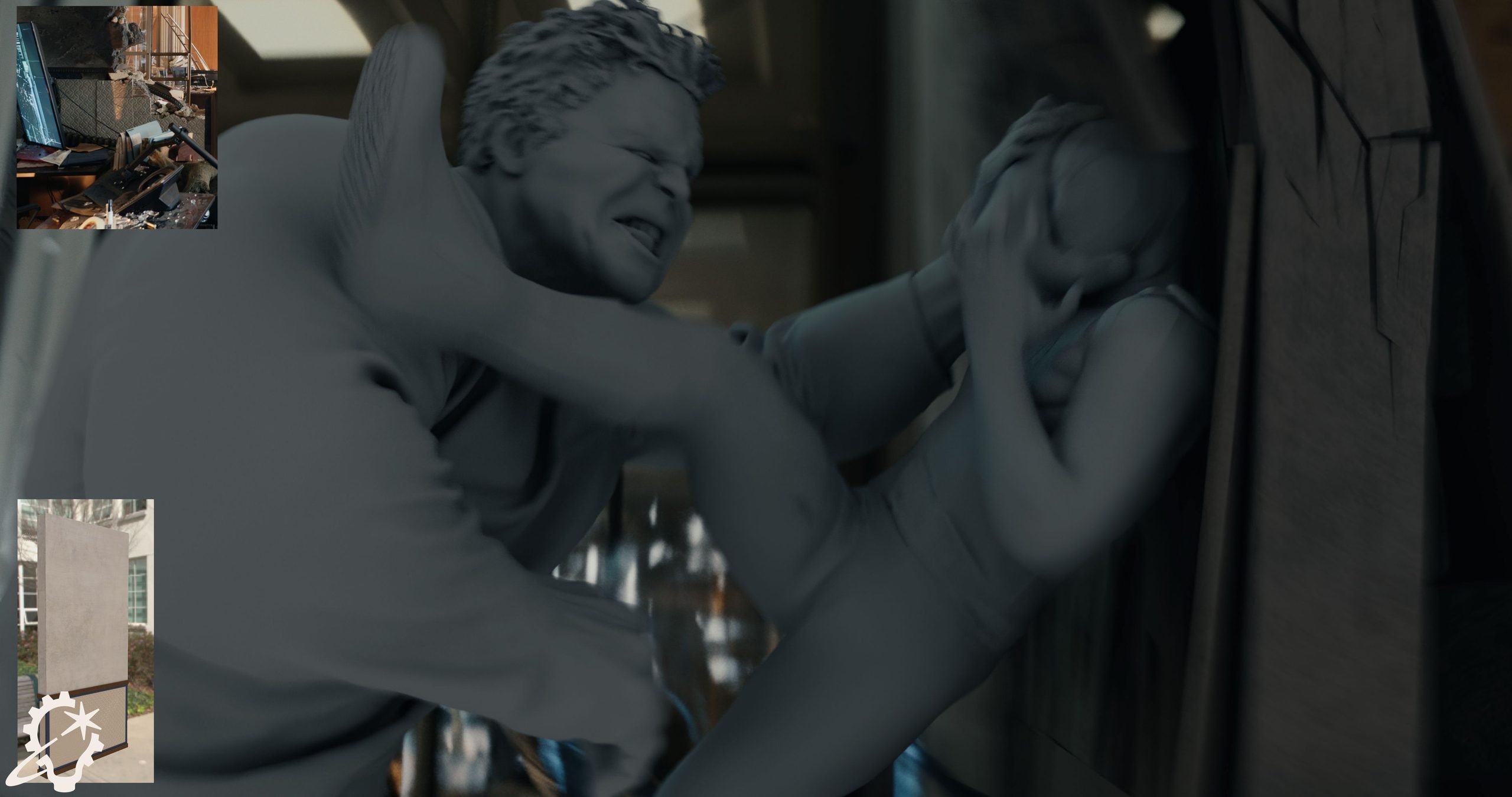
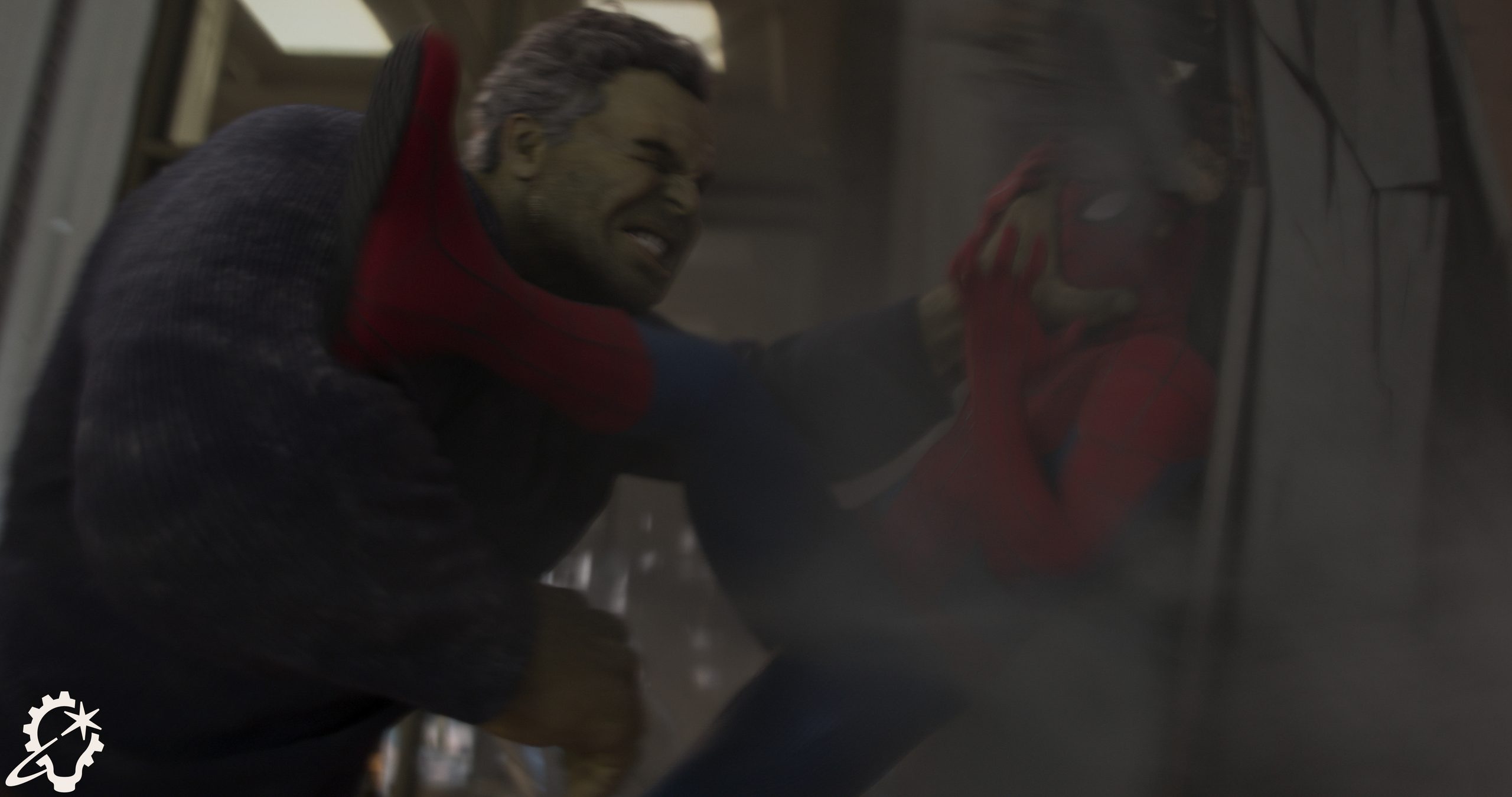
“Because Hulk is huge, he could easily just grab Spider-Man,” notes Figgins. “But how do we make it feel like that? They ended up 3D printing a version of the hand from the forearm down, and putting it onto a control rod.” Using this 3D print during additional photography, the crew could push the hand against Holland while the actor could react to it and grab hold of it. “When you see a thumb the size of a forearm, you realize just how much bigger this is.”
The exterior shots in the fight between Hulk and Spidey added to the MCU’s epic history of destroying Manhattan buildings.
“When it came to actually destroying the buildings, I really enjoyed the fact that when Hulk is sliding down, when you look at the previous shots, you could see the destruction of where the smoke was coming out of the building and all the debris down by the police cars and emergency buildings at the base of it,” says Figgins. “So just trying to show when you do break something, the results of it actually show up again. And I do think that helps ground the shots and makes the destruction more impactful.
—

Amy Richau is a freelance writer and editor with a background in film preservation. She’s the author of several pop culture reference books including Star Wars Timelines, LEGO Marvel Visual Dictionary, and Star Wars: The Phantom Menace: A Visual Archive. She is also the founder of the 365 Star Wars Women Project – that includes over 90 interviews with women who have worked on Star Wars productions. Find her on Bluesky or Instagram.