2010s

50 Years | 500+ Film and TV credits | 135+ Awards

SINCE 1975

Academy Award® Nominee for Best Achievement in Visual Effects.

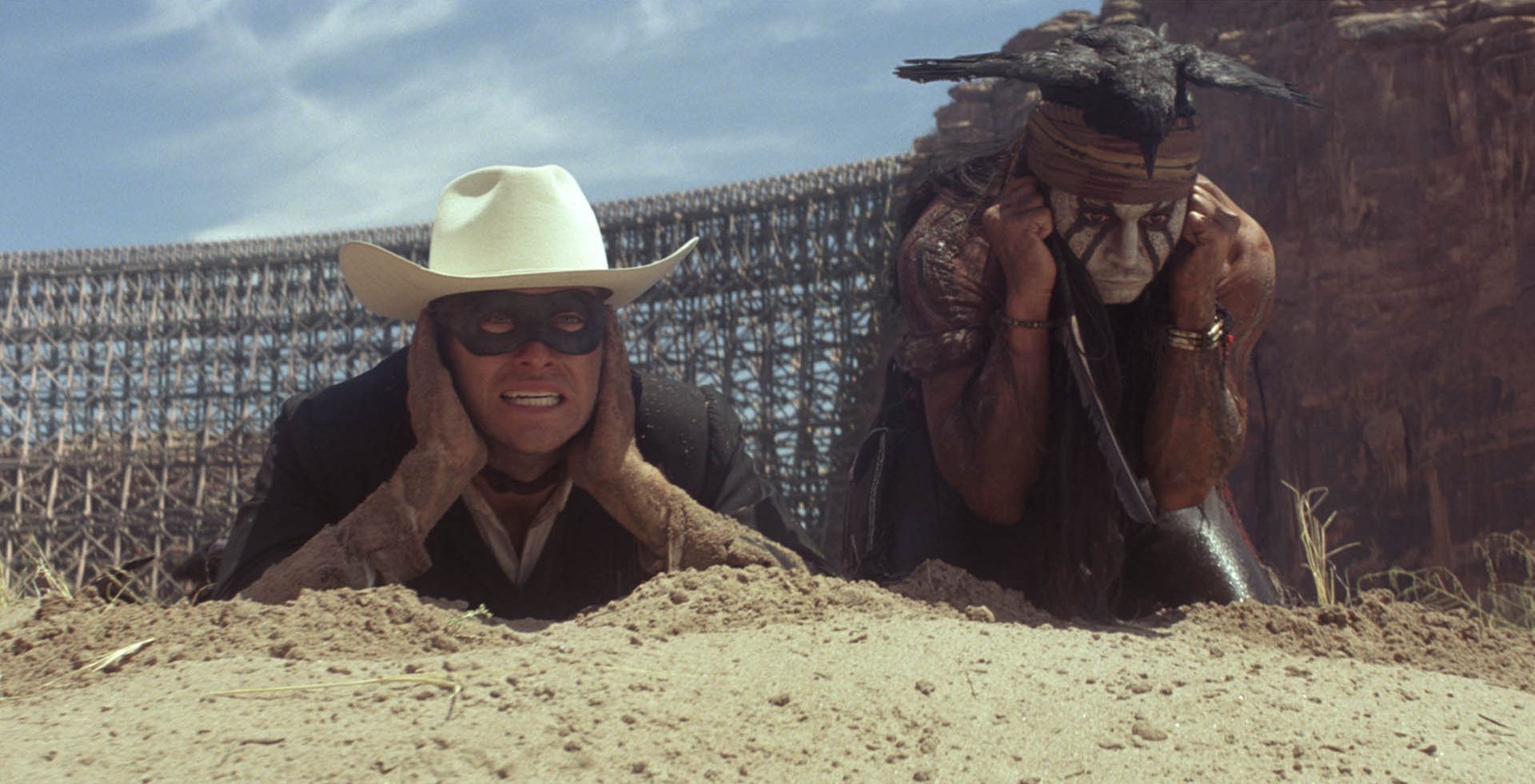
Native American warrior, Tonto, recounts the untold tales that transformed John Reid, a man of the law, into a legend of justice.

Sometimes the best visual effects are the ones that no one notices. In Gore Verbinski’s The Lone Ranger, ILM contributed hundreds of invisible visual-effects shots including photorealistic trains, buffaloes, horses, and environments.

2011 Academy Award® Nomination for Best Achievement in Visual Effects.

ILM was largely responsible for the design, development and visuals effects for the Quantum Realm sequences in Ant-Man. Inspired by images taken through electron microscopes, the visual effects team created specialized software which would allow artists to procedurally generate subatomic elements which could be visualized infinitely. Providing the sensation that Ant-Man was staying still while everything around him was shiroking was a challenge but in the end we achieved a unique look for the effect.

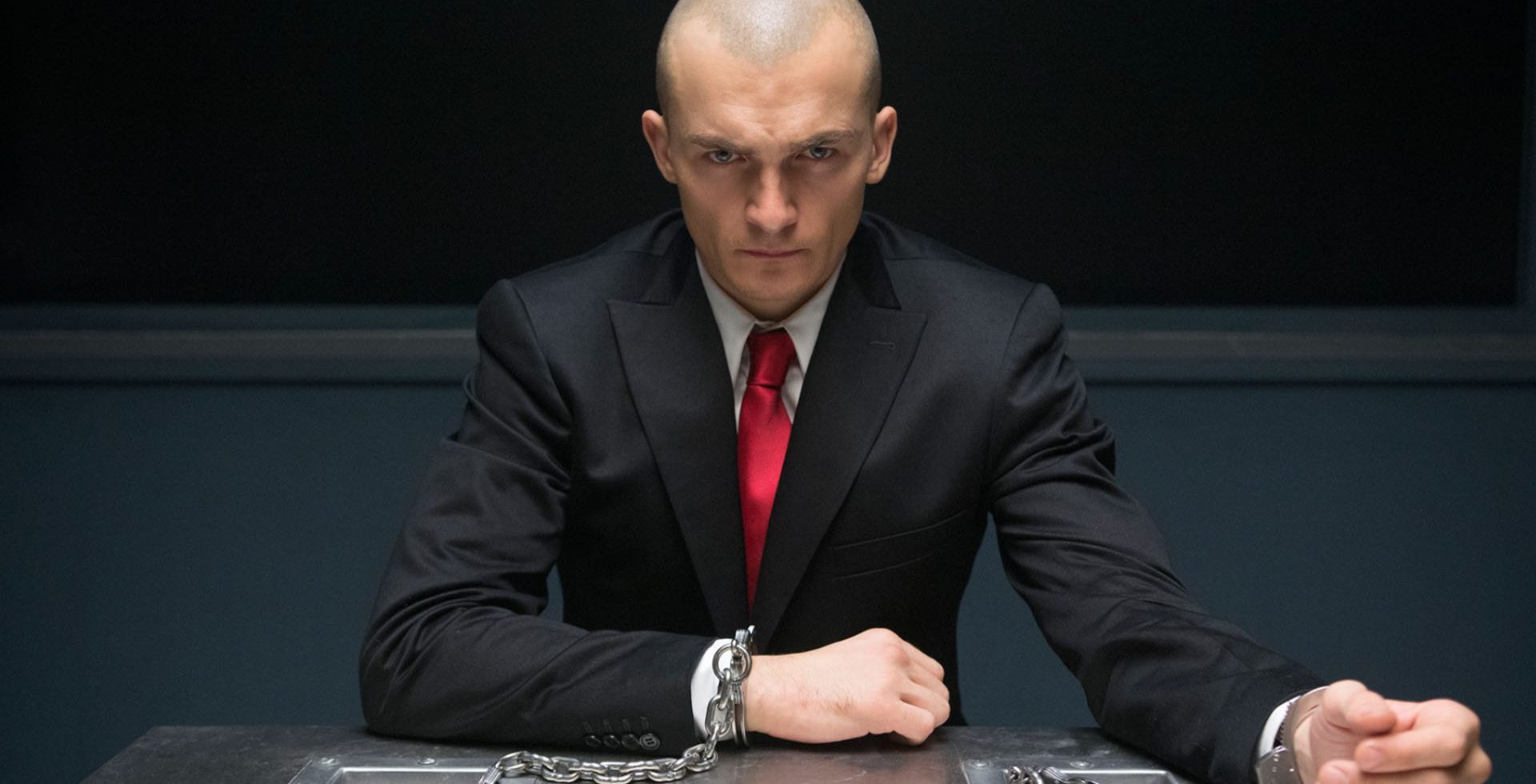
Hitman: Agent 47 centers on an elite assassin who was genetically engineered from conception to be the perfect killing machine, and is known only by the last two digits on the barcode tattooed on the back of his neck.
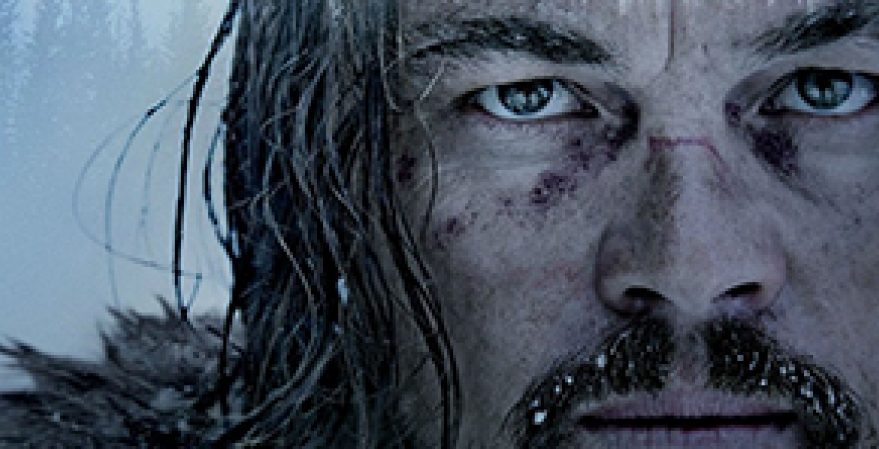
The Revenant is a period tale of survival and revenge set in the 1820s. It was shot entirely with natural lighting in remote locations. For ILM, that meant that every visual effect had to fit convincingly into the locations and adhere to the high standards of the filmmakers, director Alejandro G. Inarritu, and cinematographer Chivo (Emmanuel Lubezki). It was not enough for the visual effects to just work, they needed to help tell the story in a unique way all the while remaining completely invisible.  

We were tasked with crafting effects, set extensions, weather, environments, wounds, blood, and scars, and of course animals such as the mother bear and her cubs, each of which had to integrate seamlessly with the ultra-naturalistic live-action footage that had been captured.

The famed bear attack highlighted this challenge in spades. In fact, Inarritu placed the success, or failure, of the movie on this scene (no pressure). The discussions were always about the context of the scene, the presentation, the movement of the bear, and the planning. The filmmakers were trying to create a scene that had never been seen before and wanted to base every movement on real reference. To fully immerse the audience, the scene was conceived, shot, and delivered as one continuous 6-minute shot.

Inarritu’s goal was to completely immerse the audience in a few scenes throughout which required shooting multiple plates and multiple performances over a period of days. Finding creatively planned, and sometimes improvised, moments within a scene to join the action and flow of the story was a regular occurrence on set and in the post process.

The Revenant received an Academy Award nomination for Best Visual Effects and won 3 Visual Effects Society Awards for Outstanding Supporting Visual Effects, Compositing, and Animated Performance.

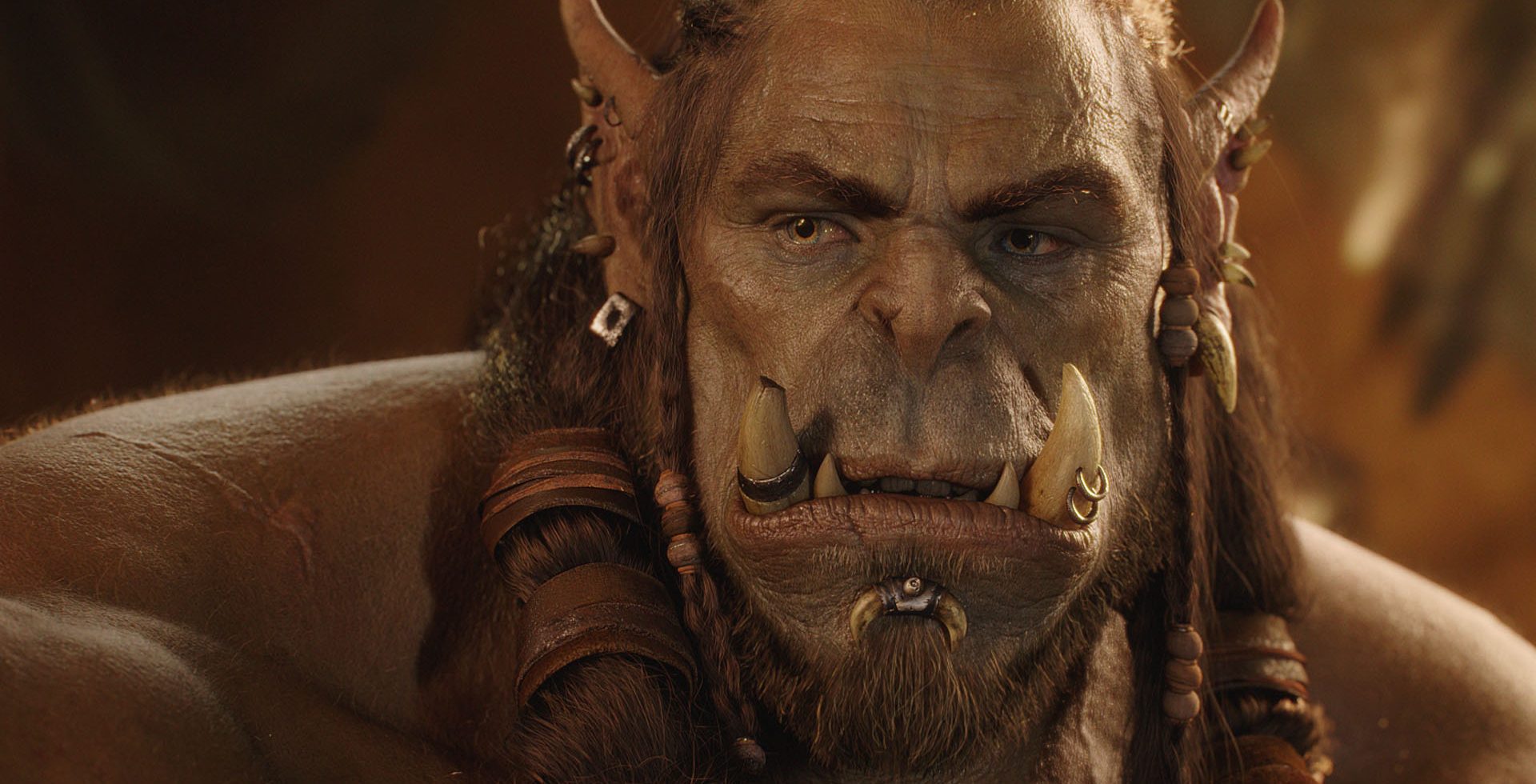
The realm of Azeroth stands on the brink of war as its civilization faces a fearsome race of invaders: orc warriors fleeing their dying home to colonize another. As a portal opens to connect the two worlds, one army faces destruction and the other faces extinction. From opposing sides, an unlikely set of heroes are set on a collision course that will decide the fate of their families and home.

The number one challenge for this film was breathing life into the orcs. ILM had to create an entire race who could hold their own against the live actors in the film. For this, ILM not only created a wide range of features with immense detail, but also showcased groundbreaking work on facial motion capture to make sure the emotion and performances from the actors came through. ILM’s animation and effects simulations teams received two Annie Award nominations, one for Outstanding Character Animation in a Live Action Production and the other for Outstanding Achievement in Animated Effects in a Live Action Production and a Visual Effects Society (VES) Award nomination for Outstanding Animated Performance in a Photoreal Feature for Durotan.

Another challenge on the film was creating the multitude of orc and dwarf hair styles, facial hair, and hairy creatures such as the ferocious frost wolves. Hair that looks and behaves naturally is one of the more difficult effects you can achieve in computer graphics. There was wide variety – and lengths – to create, with intricate braids, beards, and furs. To complete the work, ILM created a software tool called Haircraft specifically focused on grooming hair. In 2021 HairCraft was honored with a Sci-Tech Award from The Academy of Motion Picture Arts and Sciences.

In addition to these two main areas, ILM was responsible for world building and created a variety of complex photorealistic environments complete with assorted and plentiful foliage and plant life, orc armies, all manner of magical effects and additional creature work.

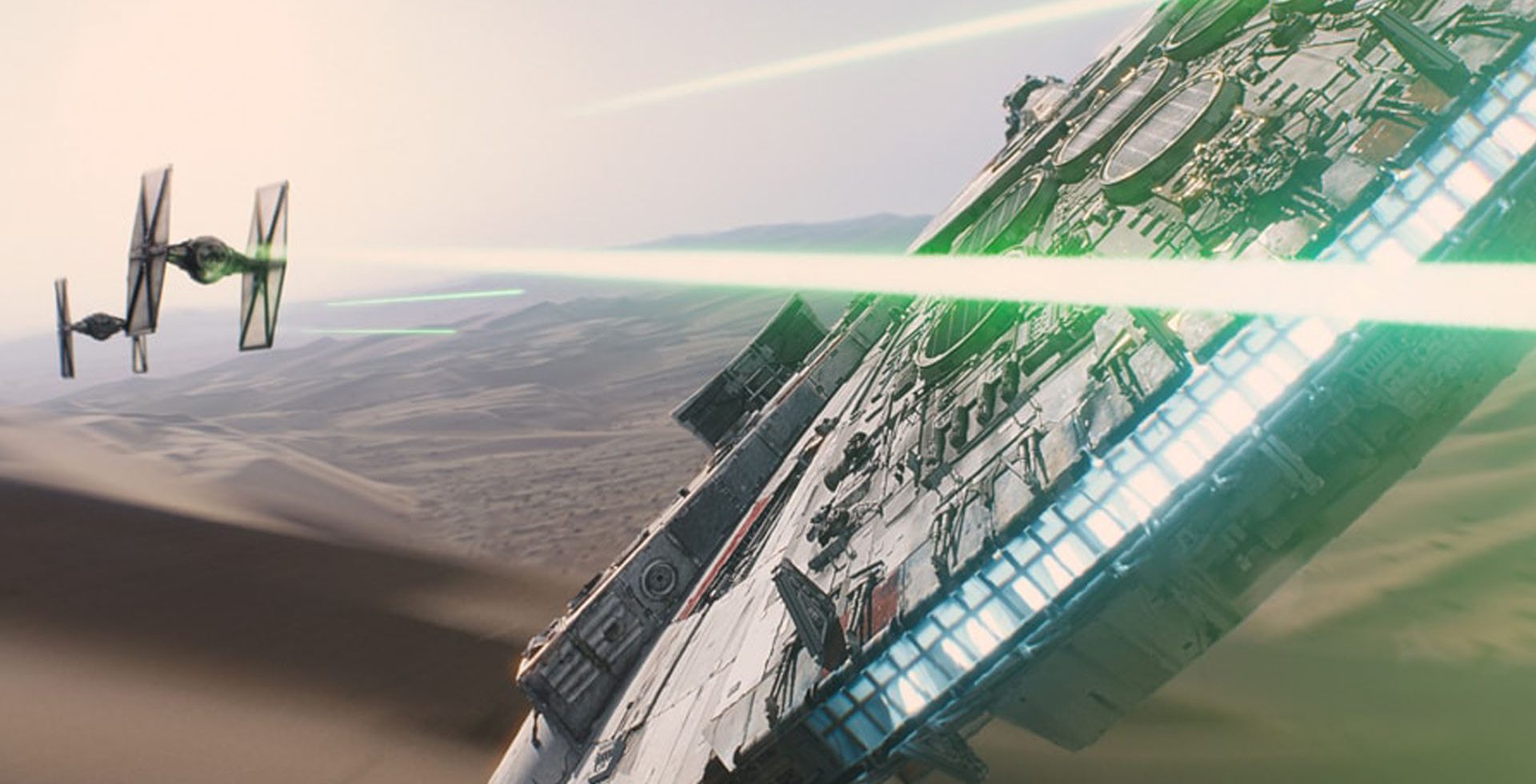
In creating the visual effects for The Force Awakens we sought to capture the feeling of the original trilogy and that meant lots of practical creatures and effects and better use of sets and locations. That’s in the DNA of the original films but visual effects supervisor and second unit director Roger Guyett also didn’t want to overlook the huge contribution contemporary technology could make. To get the tone right, we tried to create a practical foundation for all the digital visual effects work that would follow. For a movie like The Force Awakens, there are a lot of effects shots – roughly 2,100 in fact – so the trick was trying to make them all feel as integrated as possible – truly blurring the line between the practical and digital.

Our effects team in San Francisco, Singapore, Vancouver, and London worked tirelessly on seamlessly integrating the various animated performances for characters such as Maz, Snoke, BB-8, and the Rathtars, to the Lightsaber fights, incredible environments, and the array of other visual effects into the film. The crew took great pains to recreate each of the ships in the film. From the storied Millennium Falcon to the X-wings, and T.I.E. Fighters, we pored over reference photographs and visited the archives where the original ILM shooting models are kept to get precise measurements, color scans and the like to ensure the authenticity and accuracy of the new versions.

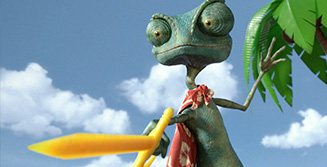
Rango is an ordinary chameleon who accidentally winds up in the town of Dirt, a lawless outpost in the Wild West in desperate need of a new sheriff.

ILM took a unique approach to the animation of Rango by focusing on creating a photographic look for the world and its characters. With constant awareness of the light in each animated shot ILM was able to create a special feel for each scene appropriate to the storyline.

Being responsible for every shot from inital previs and blocking through to the final pixels in Rango was a new experience for ILM. To cope with this enormous workload ILM developed a new pipeline tailored to the needs of an animated feature. A breakthrough that stemmed from this pipeline was sequence-based lighting: a way to take a whole series of shots that share a similar lighting setup and work on them as one big group, rather than approaching each shot as its own individual project. Using their new animation pipeline ILM developed more than 90 unique characters for the film, giving each its unique quirks and emboding them with an enormous level of detail.