2010s

50 Years | 500+ Film and TV credits | 135+ Awards

SINCE 1975

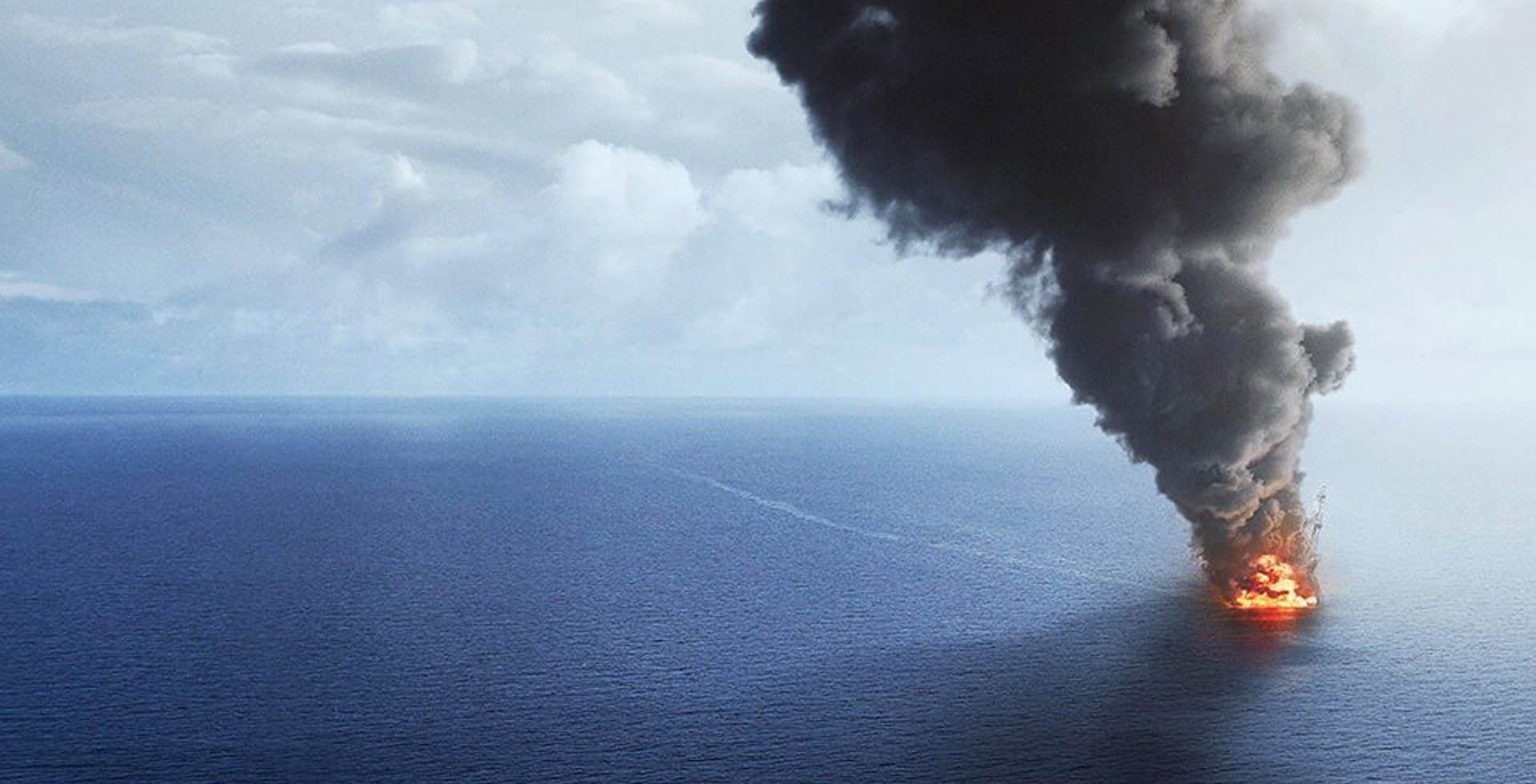
Deepwater Horizon depicts the events that led up to that catastrophe and the heroic actions of the rig workers working on the oil rig as they tried to keep the impending disaster at bay and ultimately escape the inferno of the rig alive. The seriousness of the subject matter meant that the pressures on the effects team to accurately depict the events in a realistic fashion were immense.  

When Pete Berg first approached ILM about the project he was intensely clear that this would be a tribute to the heroic rig workers that would need to bring the audience into the chaos and intensity of that night. He was after complete authenticity in every detail and a fierce and vicious experience once the trouble started. 

Under the watchful eyes of VFX supervisor Craig Hammack, the ILM visual effects team was responsible for creating a digital replica of the Deepwater Horizon oil rig itself which had to seamlessly blend into practical set pieces constructed on a New Orleans parking lot. Perhaps the biggest challenge on the project however, was creating the dirty, toxic, and uncontrollable fire, which required innovative CG work, since the fire’s onscreen for 30 minutes. Thus, it not only had to look realistic but also beautiful and cinematic with the help of interactive lighting coming from the use of large LED screens deployed on set. The simulation work was done in ILM’s Academy Award-winning GPU-based simulation and render engine, Plume.

The team was nominated for an Academy Award for Best Achievement in Visual Effects, an Annie Award for Outstanding Achievement in Animated Effects in a Live Action Production, and it won VES Awards for Outstanding Supporting Visual Effects in a Photoreal Feature and Outstanding Model in a Photoreal or Animated Project. 

For The Big Short writer/director Adam McKay was looking for a specific effect to move the narrative forward. Not afraid to use unconventional effects as evidenced by the inclusion of cameos by Margot Robbie, Anthony Bourdain, Selena Gomez, and Richard Thaler, who break the fourth wall to explain complex financial concepts, McKay sought to depict the passage of time through a massive timelapse sequence while skyscrapers rise and take over the Manhattan skyline.

Starting with 8K plates shot by DP Andrew Walker in New York, ILM’s visual effects team digitally erased prominent buildings through the city to create the skyline of the past, rewinding 20-30 years from present day Manhattan. The team then painstakingly re-constructed a variety of buildings from base to the roof and the inside out as skyjack cranes speedily swing to and from lifting construction material to the site. Starting with the erection of the steel girder skeletons and enclosing them with sleek glass facades. The end effect is effectively used in a montage in the film showing decades passing in mere seconds.

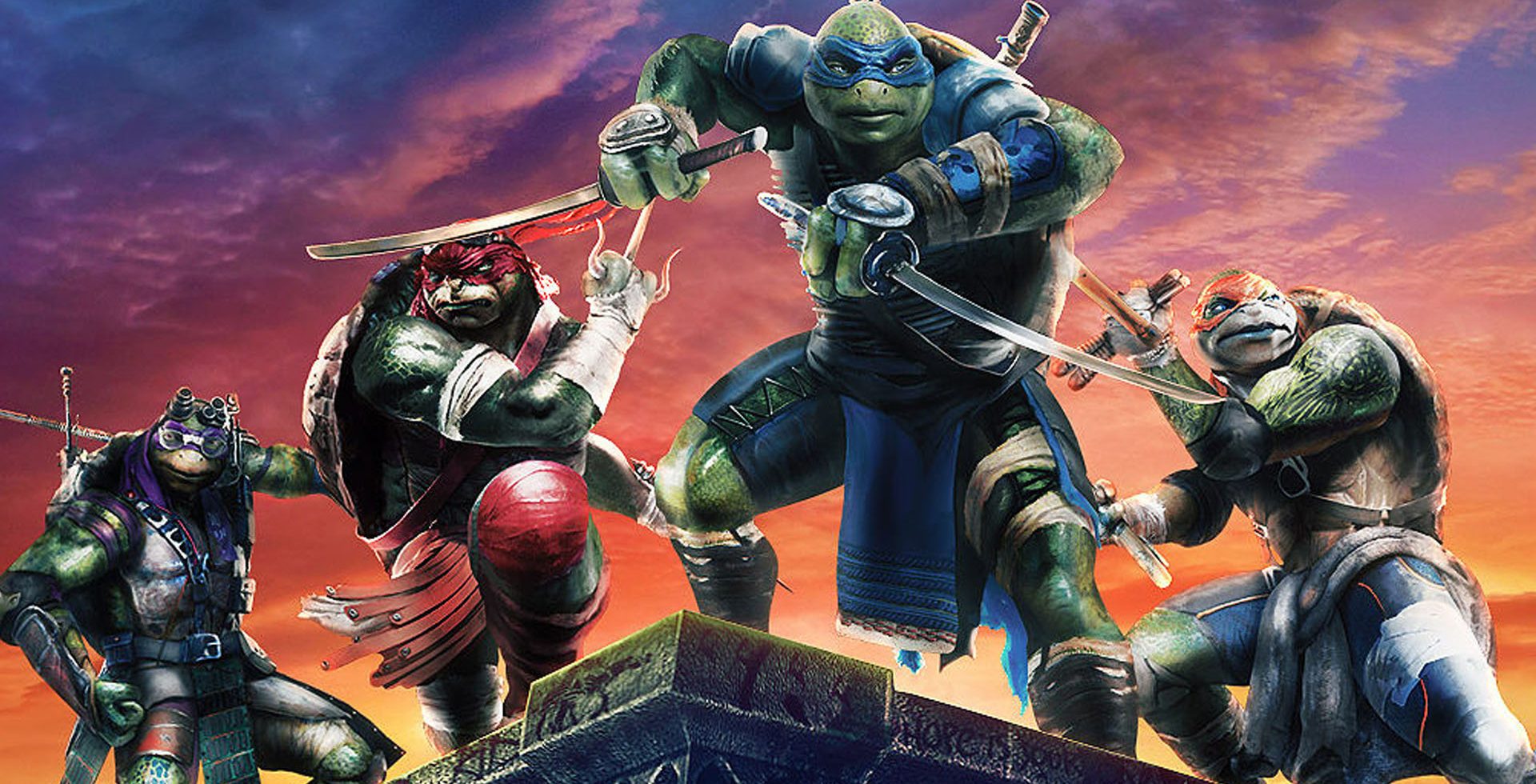
TMNT: Out of the Shadows features believable CG character performances for six lead characters created with equal parts performance capture and keyframe animation. Developed for the film, ILM Muse allows for the actor’s performance to be captured on-set or in a volume at the highest fidelity. Both were done for the film utilizing Technoprops award-winning HMC units. This becomes the basis for the CG character’s performance which then have the ability to be manipulated as necessary by an animator.

Between ILM San Francisco and Vancouver, 768 visual effects shots were completed.

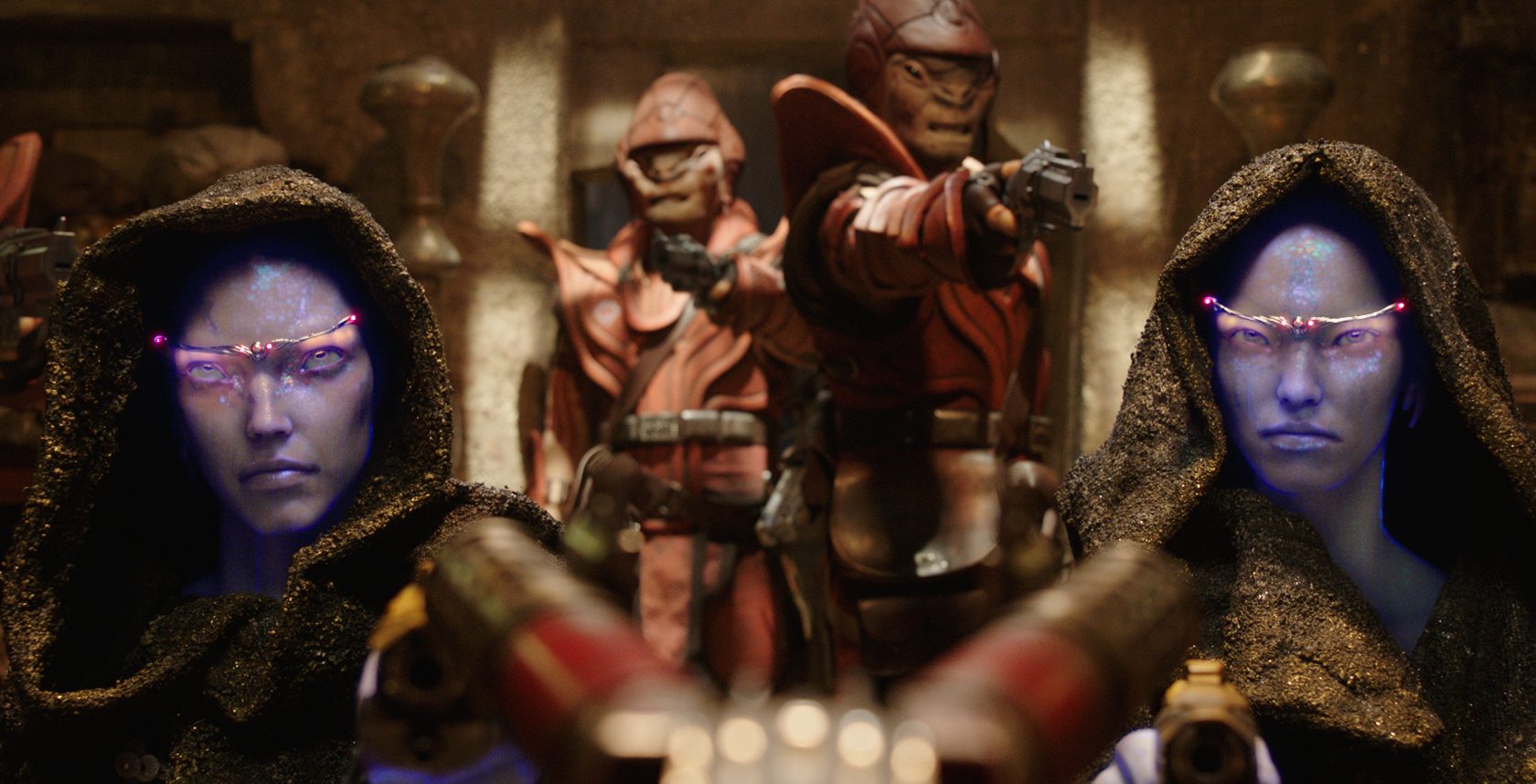
Among the thousand planets that make up Luc Besson’s mega-city are two particularly interesting ones created by our visual effects artists. The “first mission” sequences introduce the film’s two main characters, Valerian and Laureline.

One planet contains the universe’s biggest shopping bazaar – The Big Market consists of five million stores that line a cross-shaped canyon extending 500 floors deep. But, shoppers in the 28th century needn’t walk through 500 floors of stores to find what they want. Instead, they stand within a large arena on a desert planet, in a helmet and gloves, and shop virtually. They can touch things with a glove. When they buy something, they place the object into a “transmatter,” and the object travels to them through space. While shopping, the merchant sees them as holograms and the two can interact. ILM’s Bianca Draghici, who served as VFX art director on the film, designed the hologram effect.

Given the action that had to be depicted in the Market, it was constructed as a singular, massive asset that is seen from a distance, in medium detail, and in close ups. The asset had to hold up at virtually any resolution a given shot might call for. The work was incredibly complex but fortunately director Luc Besson, had spent weeks shooting a full previs of the entire sequence to guide the VFX team.

For crowds, the animators used ILM’s Vignette system to control characters animated with cycles of 1,000 frames or so. When the camera was close, animators would hand place characters they gave specific actions to. All told, the artists created approximately 90 characters – humans, bipeds, quadrupeds, flying creatures, insects, and even creatures that look like ocean life. The team also created the memorable character Igon Sigruss, the galaxy’s most feared pirate voiced by actor John Goodman.

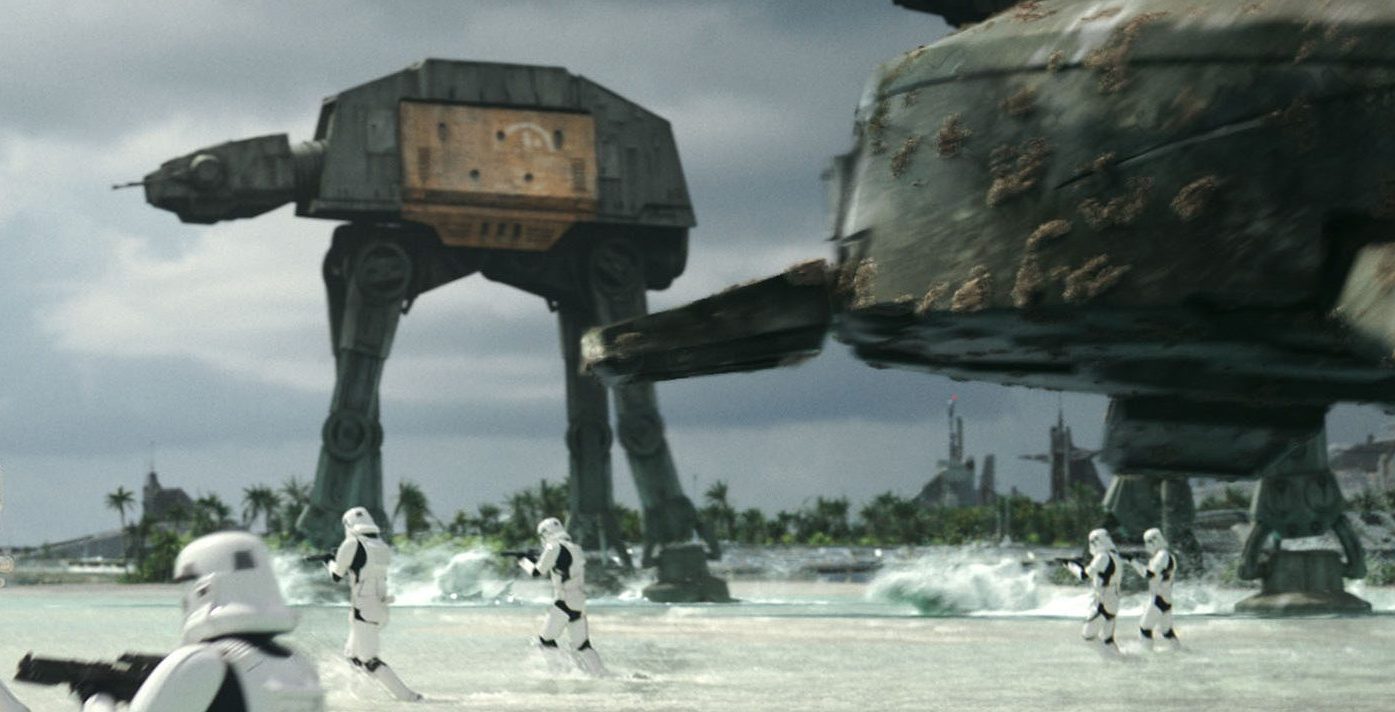
The visual effects on Rogue One: A Star Wars Story represent the work of hundreds of artists in eight countries. The final film contains 1,697 visual effects shots, covering a great many environment creation and extensions, vehicles, characters, blasters, explosions. Visual effects supervisor John Knoll who also served as an executive producer on the film is also credited with dreaming up its original story.

The visual effects team made use of real-time rendering for scenes depicting the characters traveling in various ships throughout the film and for select shots of K-2SO, the dry witted former Imperial security Droid. Sets were also scouted through the use of StageCraft VR and ILM provided director Gareth Edwards with its StageCraft virtual camera system so he could choreograph and shoot coverage for a number of all CG sequences imbuing them with the same organic camera movement as Edward’s live action work on the film.

Among the many and varied visual effects challenges, the filmmakers challenged the effects team to create photoreal digital recreations of actors Peter Cushing, reprising his role as Grand Mof Tarkin in a substantial way, and Carrie Fisher as Princess Leia. Since, in the Star Wars timeline, Rogue One takes place immediately after A New Hope, the likeness of each had to be exacting.

Rogue One received Oscar and BAFTA nominations for Best Visual Effects as well as 7 VES Award nominations. The film also won a Saturn Award for Best Special Effects from the Academy of Science Fiction, Fantasy, and Horror Films.

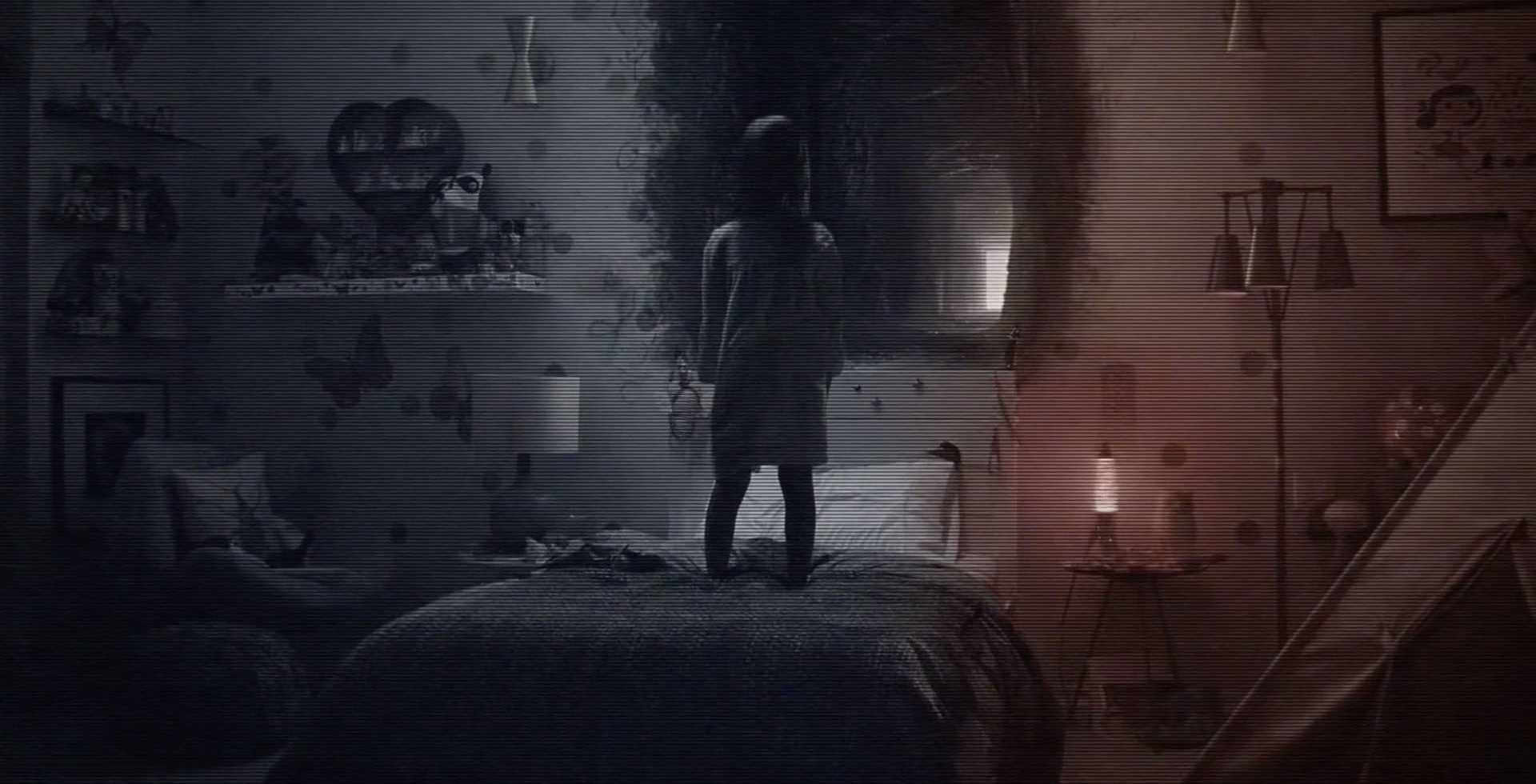
Strange events plague a family (Chris J. Murray, Brit Shaw, Olivia Taylor Dudley) in their new home after they discover a video camera in the garage.
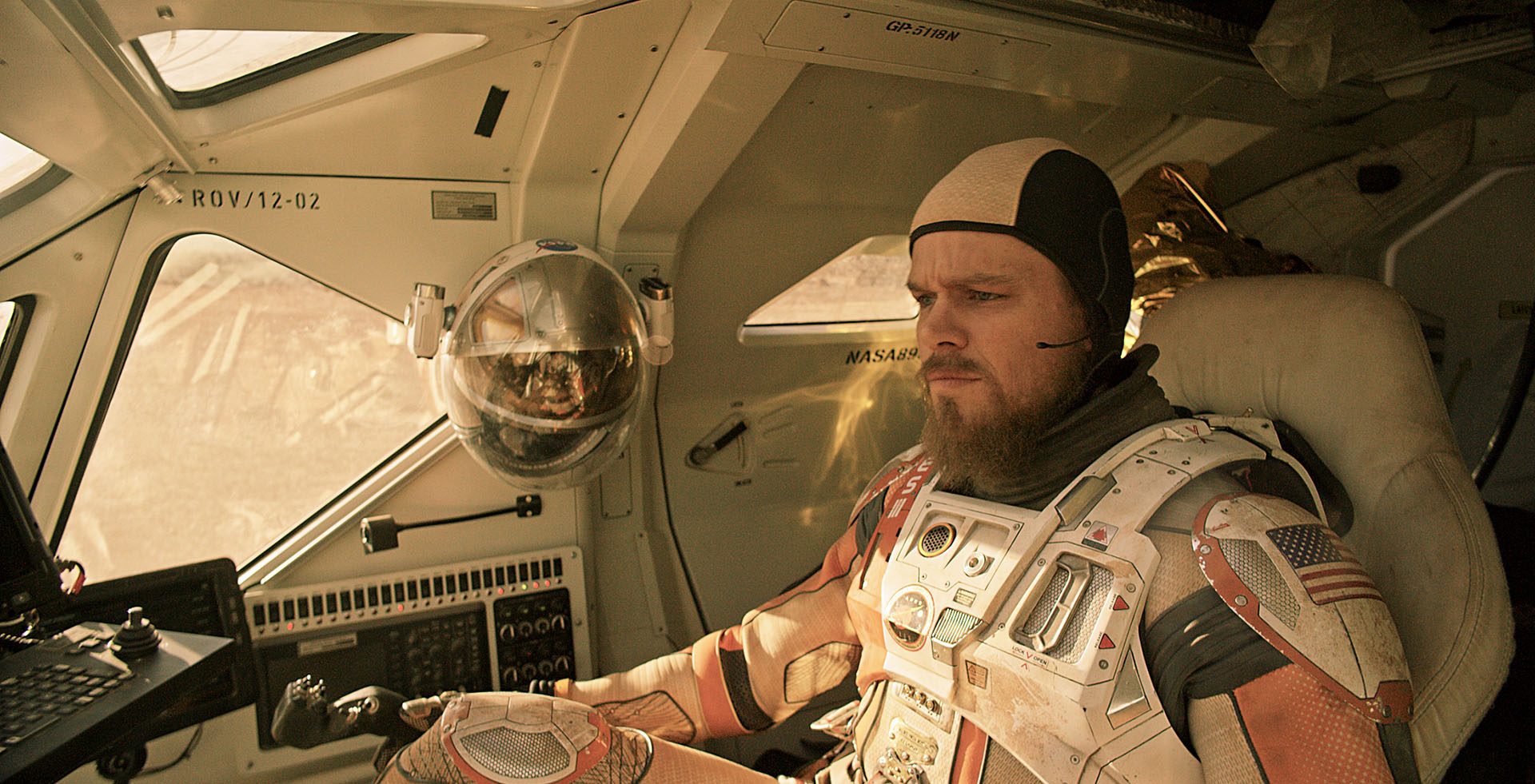
The Martian directed by Ridley Scott depicts an astronaut’s struggle to survive on Mars after being presumed dead and left behind by his crewmates. ILM’s London-based effects team joined the production late in the schedule to contribute a number of shots depicting astronaut Mark Watney (Matt Damon) operating a rover vehicle around on the Martian surface.

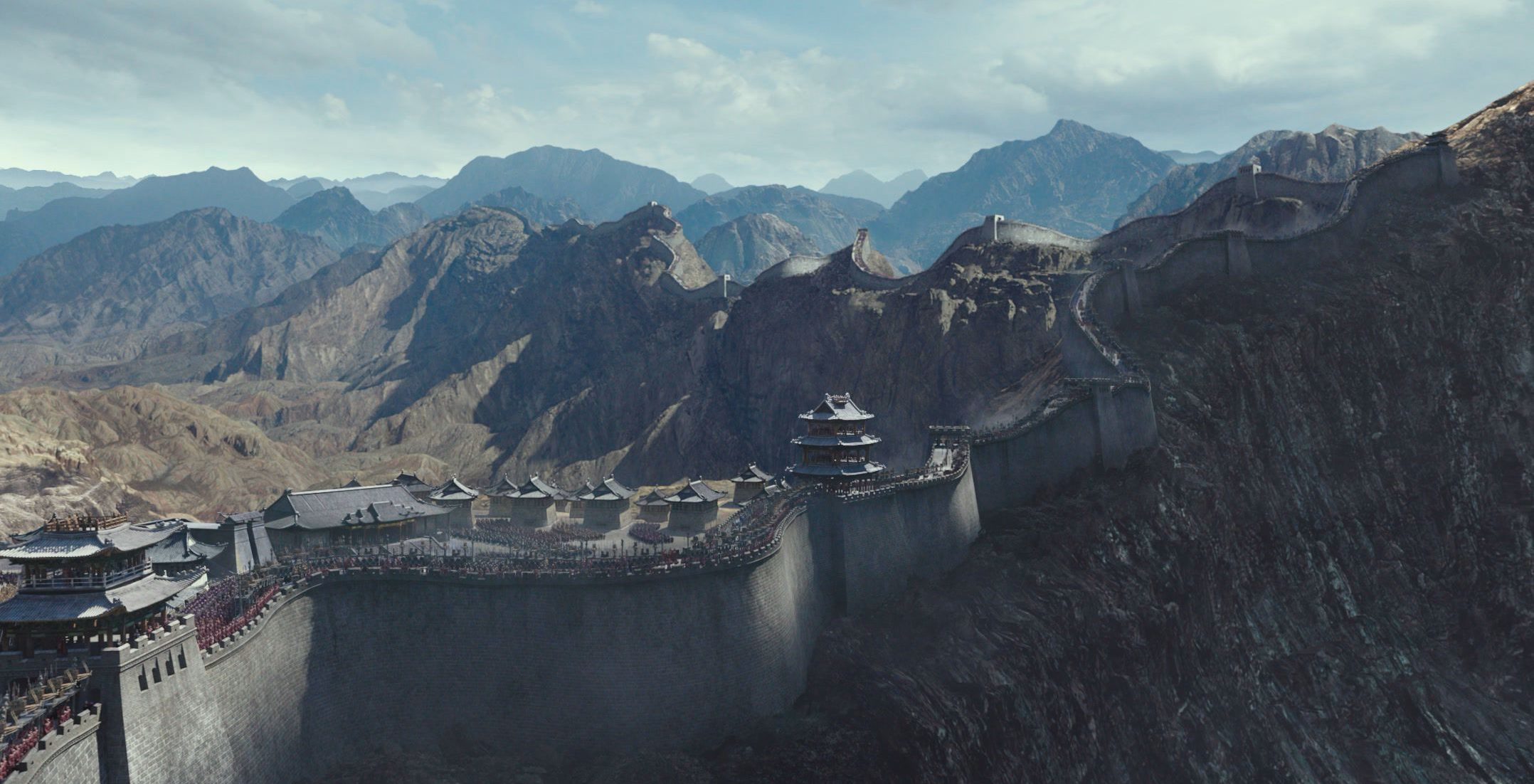
A mystery centered around the construction of the Great Wall of China.