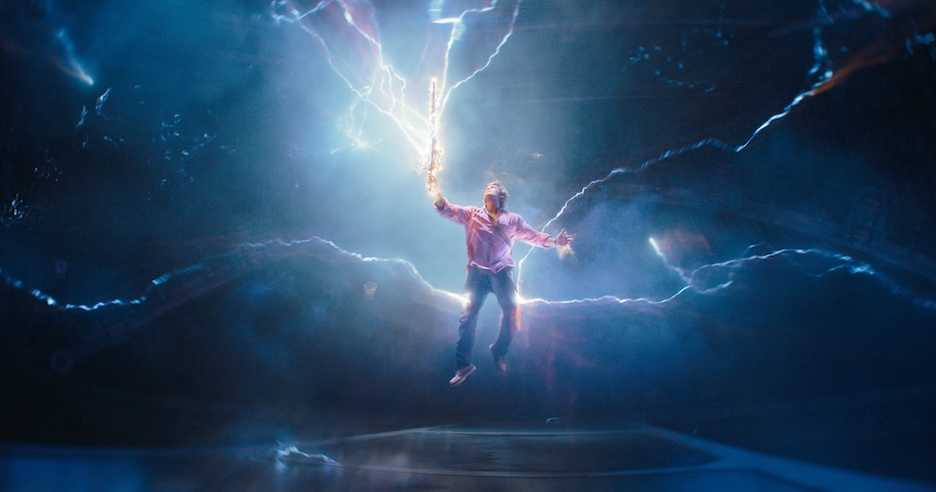
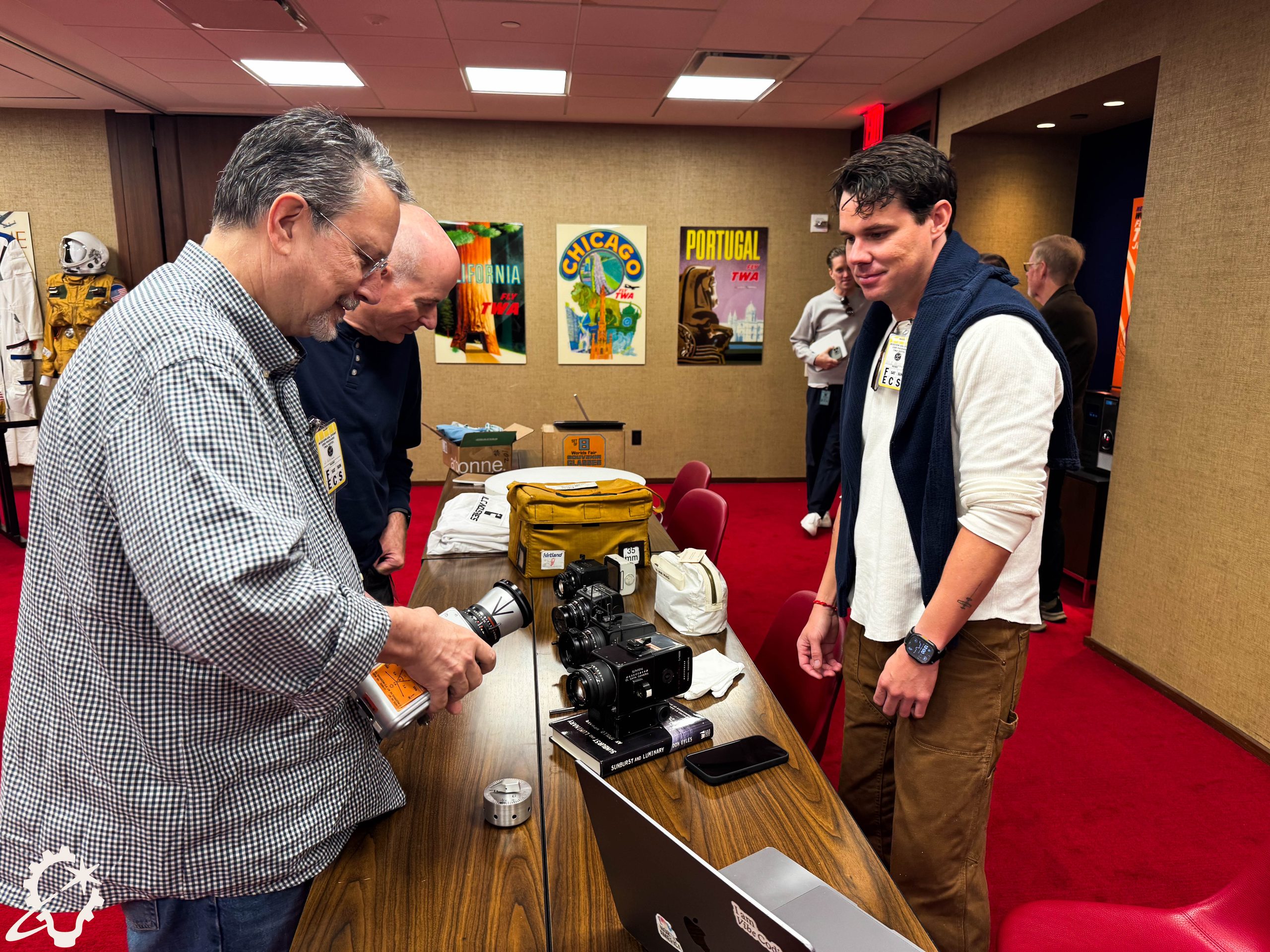
John Knoll and Ron Radetzsky attended the inaugural event to discuss their respective work on The Mandalorian and Grogu and Project Hail Mary.
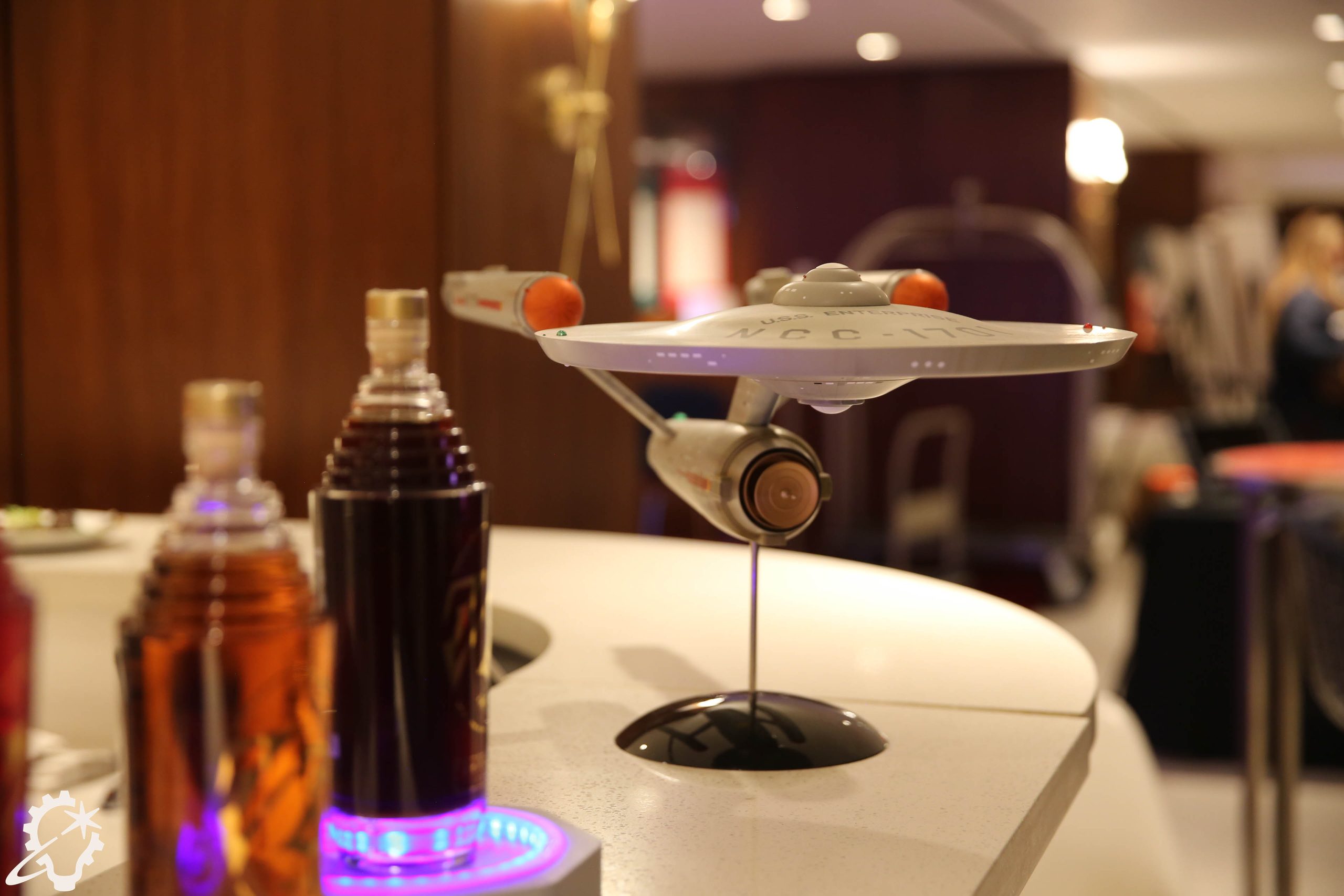
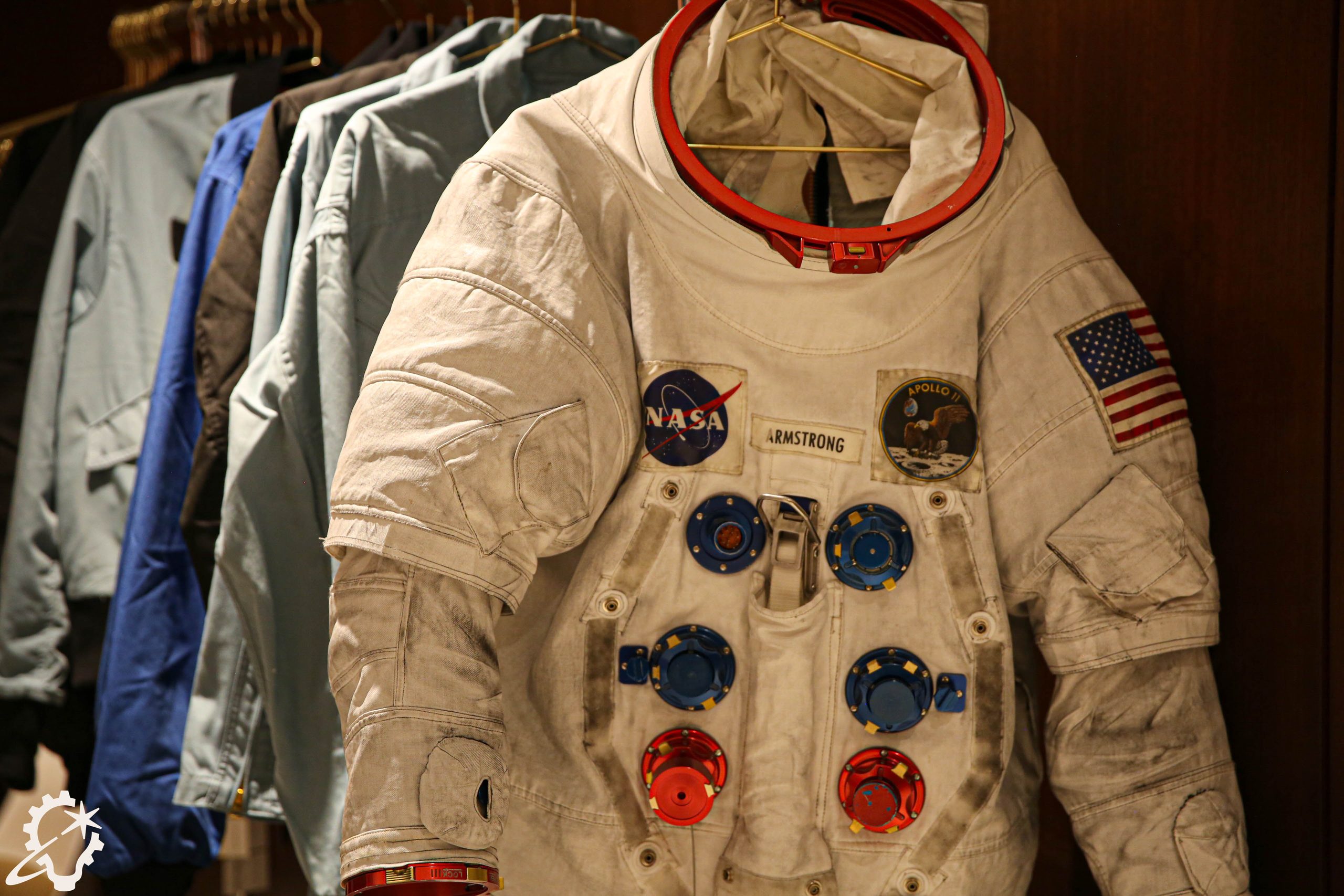
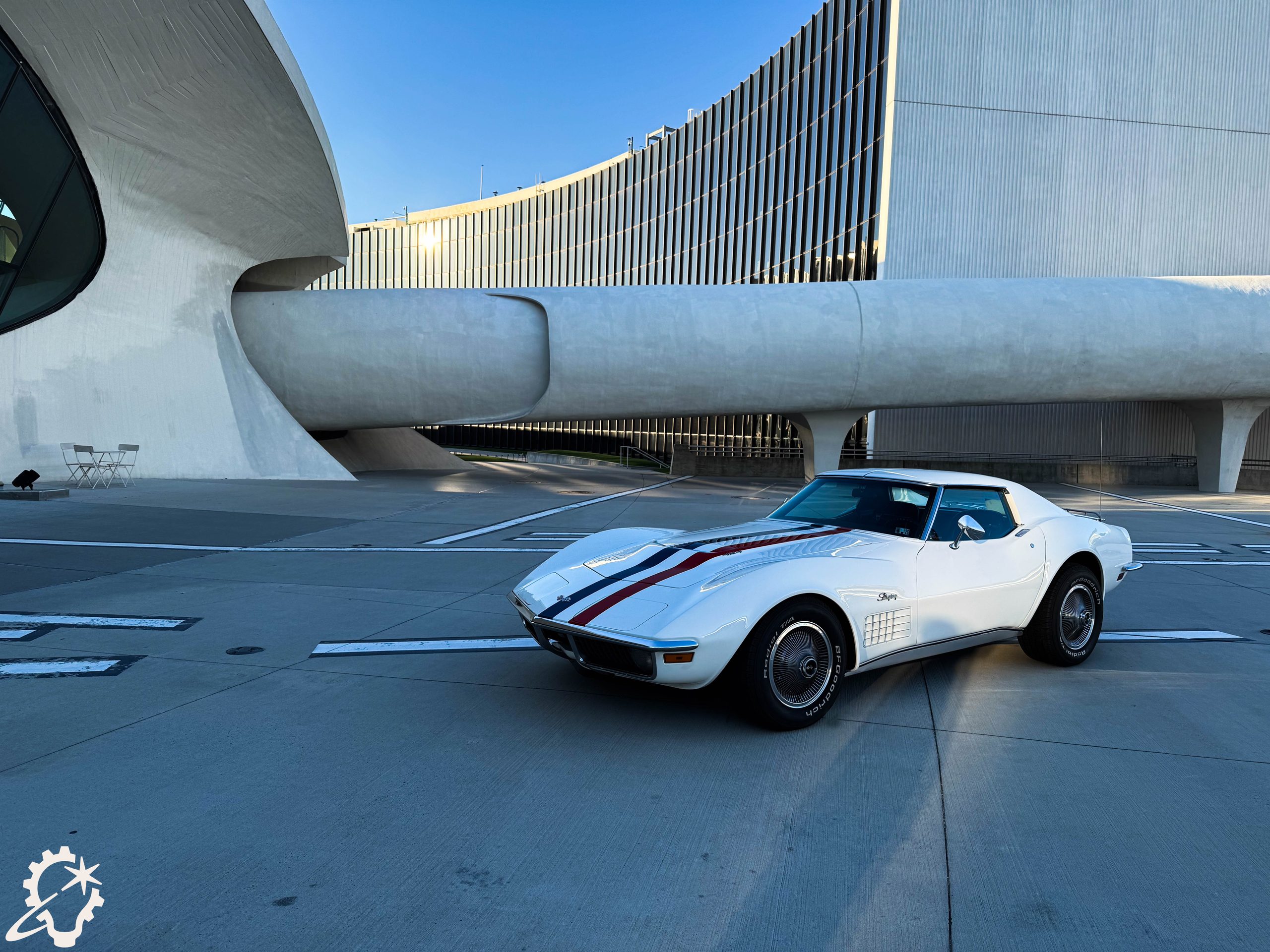
Albert Einstein once said that “imagination is more important than knowledge.” That principle was celebrated last month at Mission: 60s, an event that brought together scientists, artists, astronauts, and storytellers from across the worlds of aerospace and entertainment. The whimsically timeless TWA Hotel at New York’s John F. Kenny International Airport made the perfect setting for this conference of dreamers and doers.
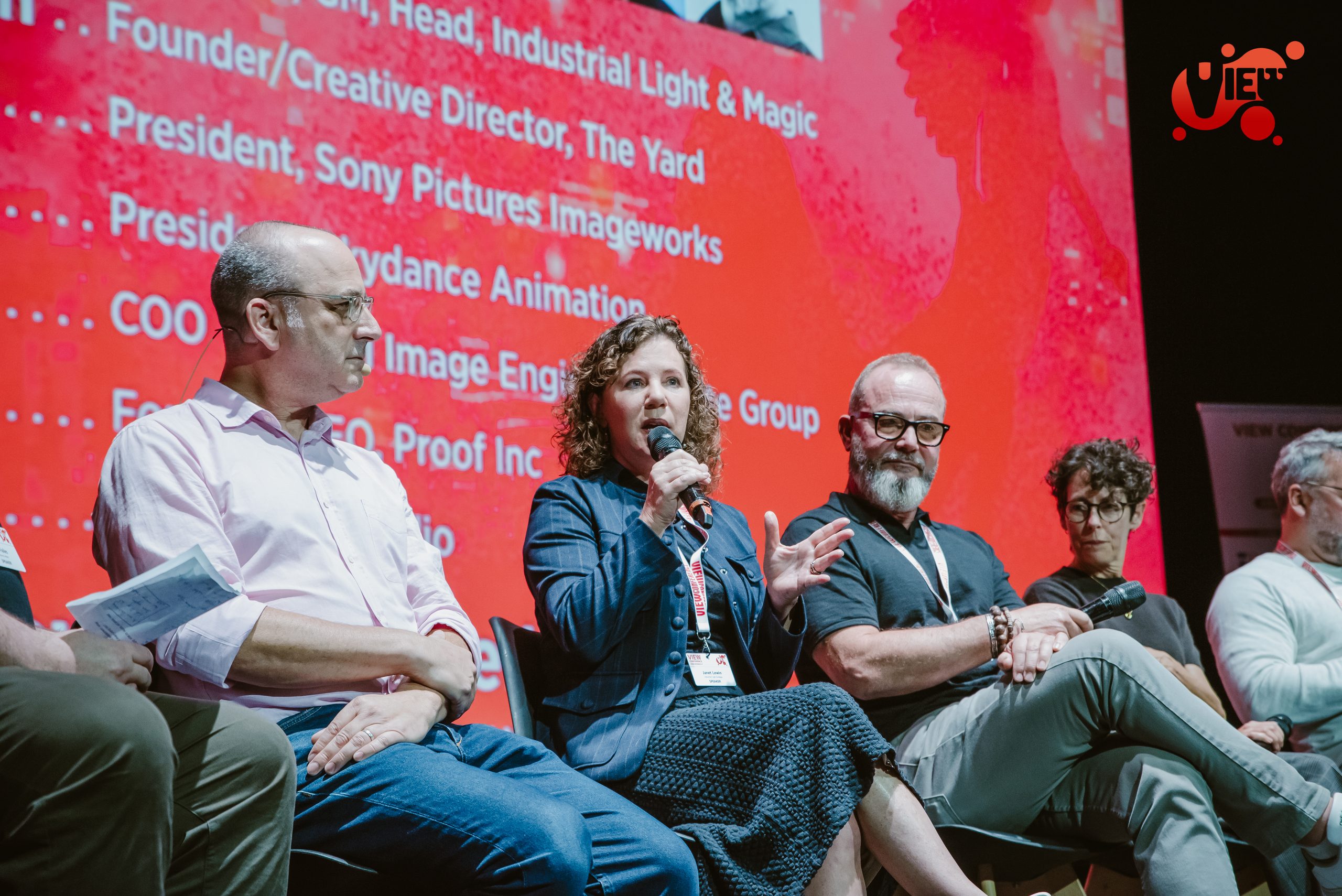
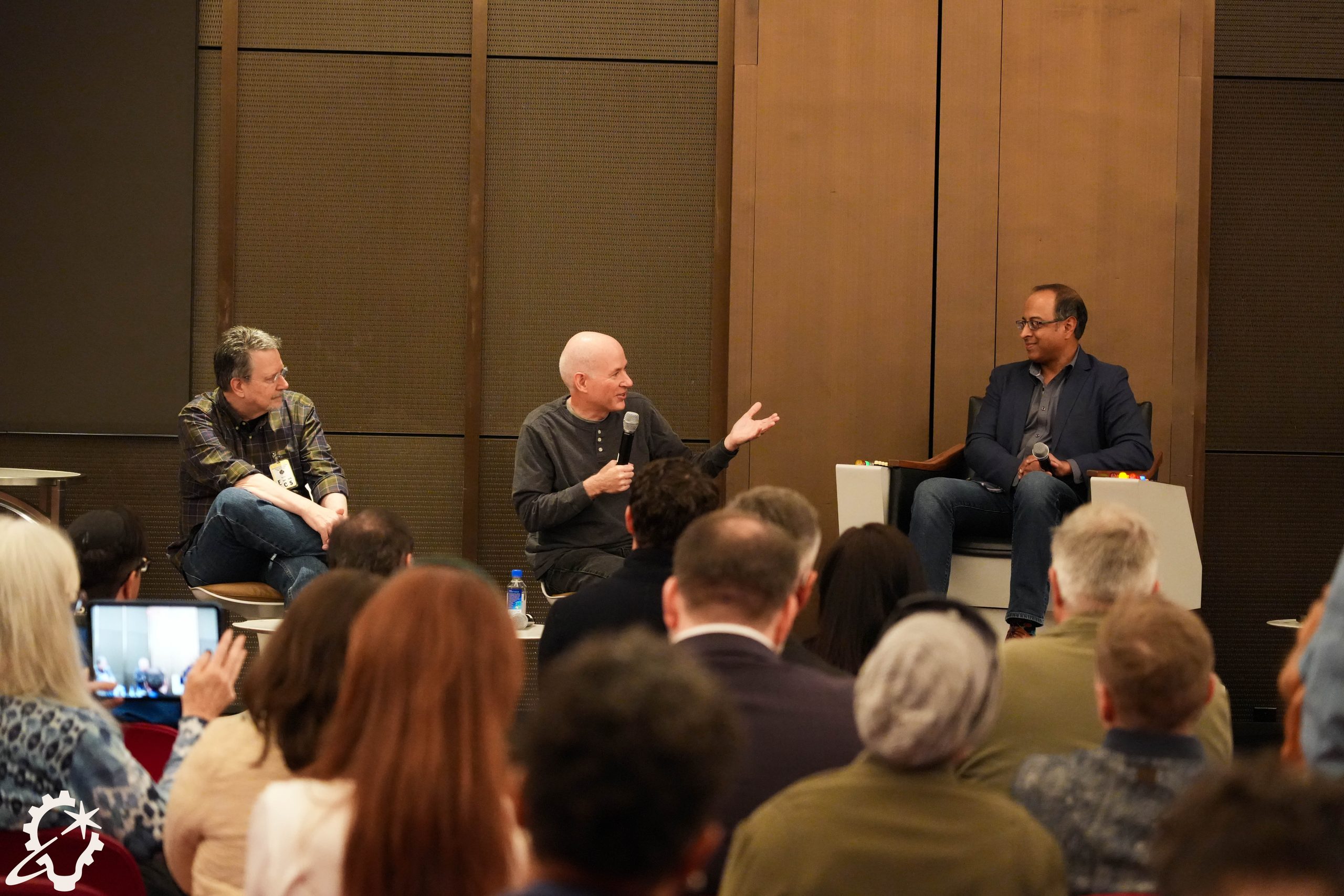
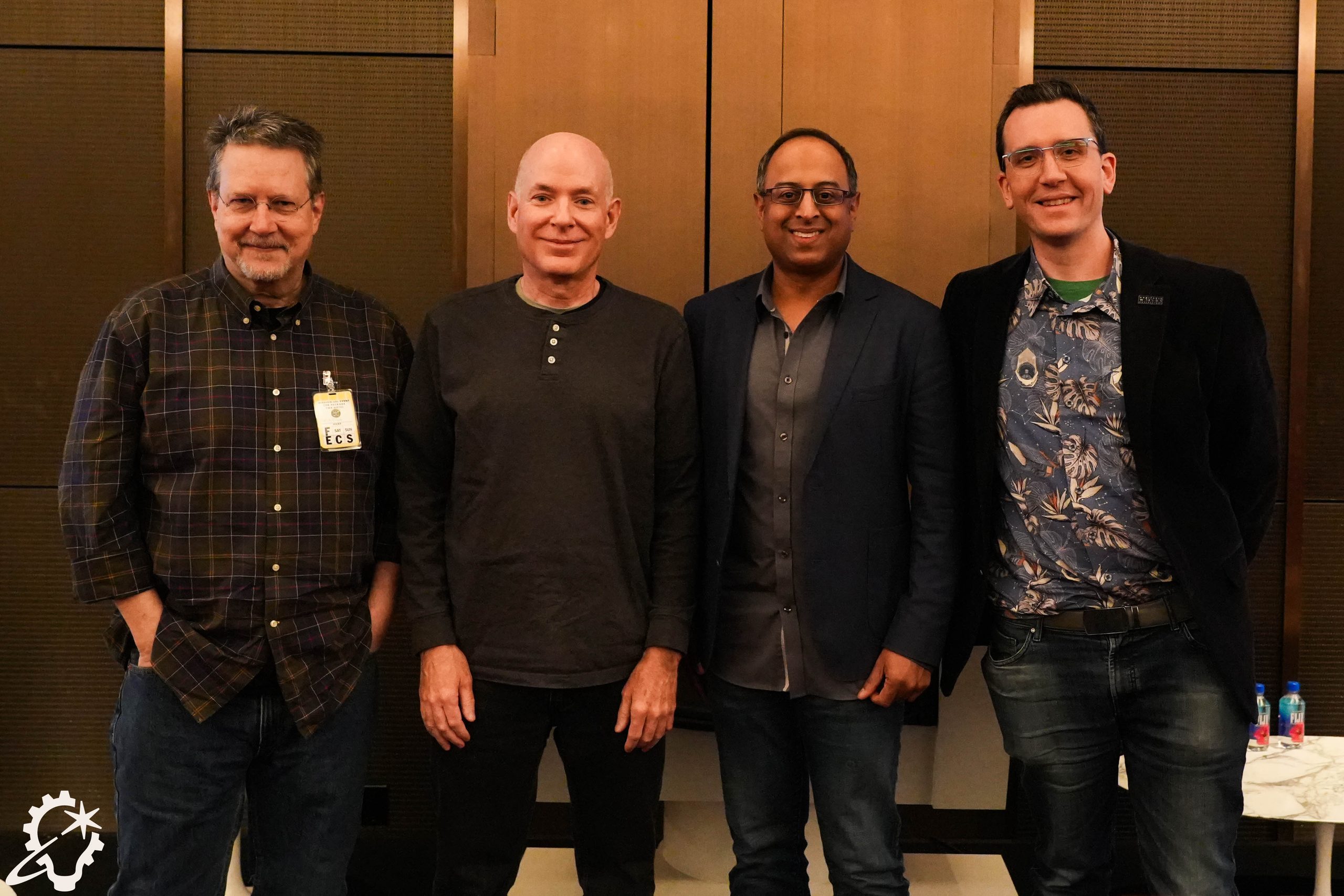
Industrial Light & Magic executive creative director John Knoll and the Lucasfilm Advanced Development Group’s senior software engineer Ron Radeztsky made the trip for a presentation about their respective work on The Mandalorian and Grogu and Project Hail Mary. They were then joined for a panel discussion by Dr. Shawn Domagal-Goldman, director of the Astrophysics Division at NASA, and Amaresh Kollipara, chair of the SETI Institute.
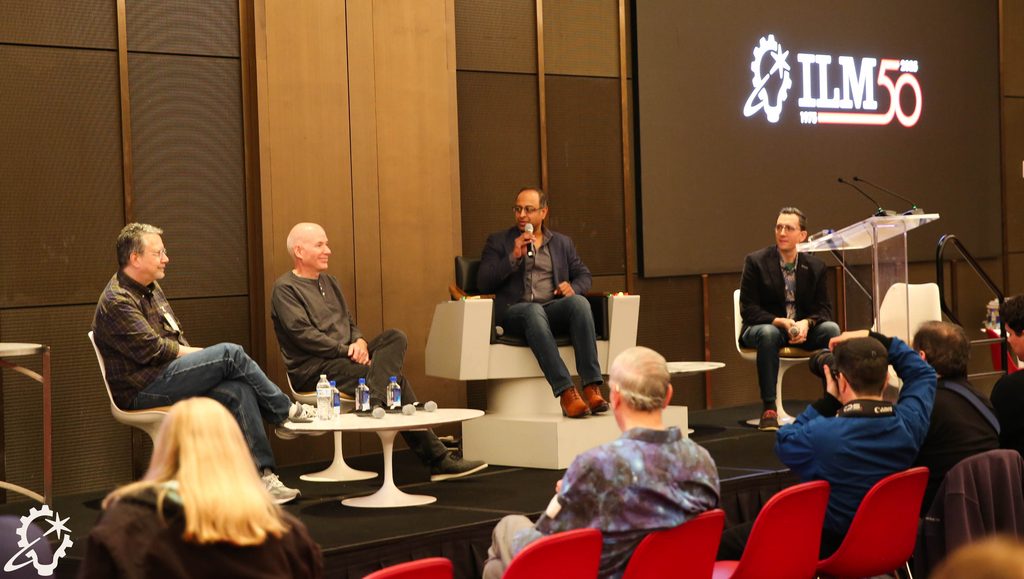
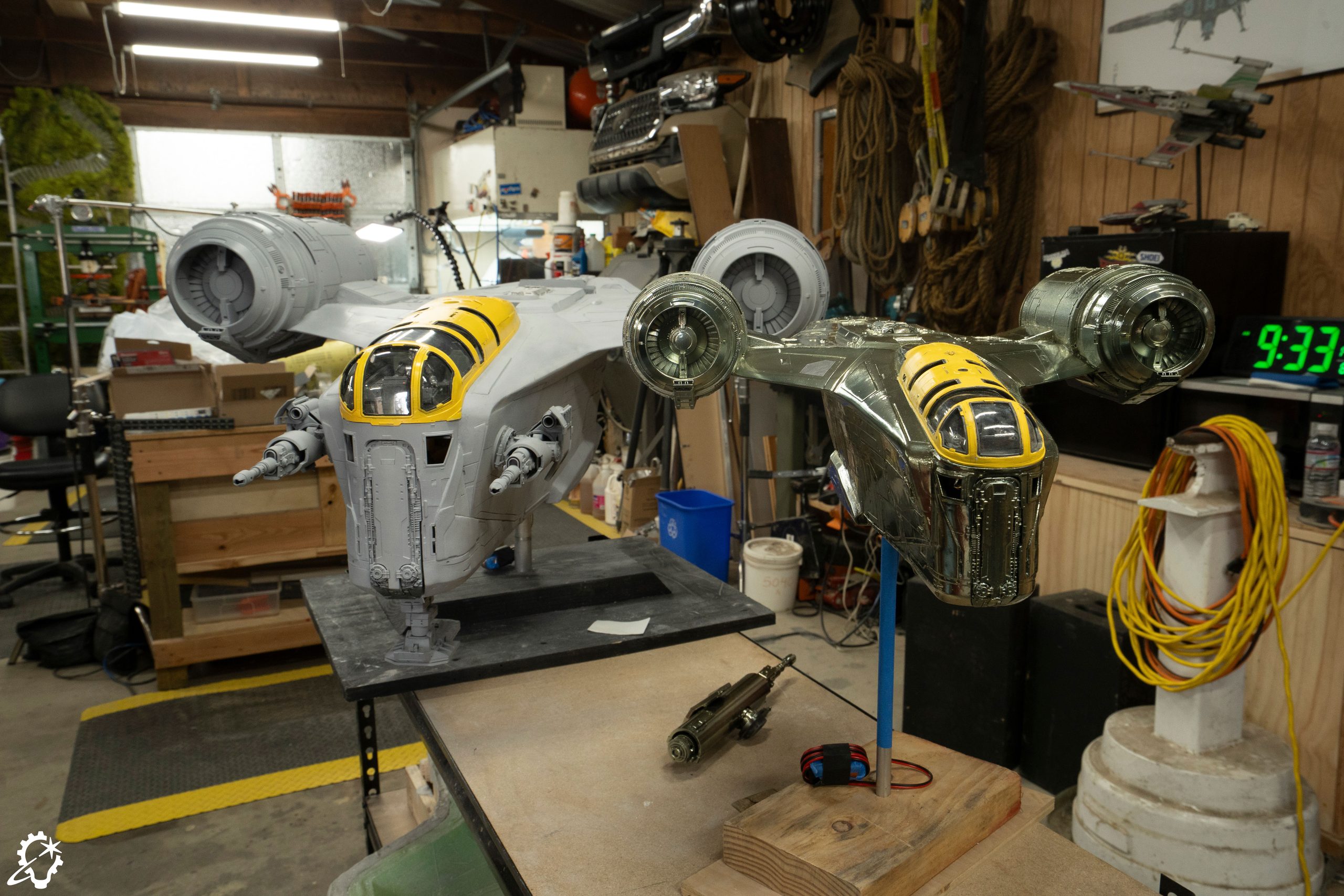
John Knoll spoke to an aspect of the ILM team’s process creating what he called “very intentionally stylized space” in The Mandalorian and Grogu, in particular the development of a motion-control camera system to photograph miniature versions of the Razor Crest starship. This modern counterpart of a tried-and-true technique that dates back to ILM’s founding received its latest iteration for the Lucasfilm feature. It included a newly designed camera crane, which Knoll built himself, as well as a custom LED volume to project imagery around the silvery miniature.
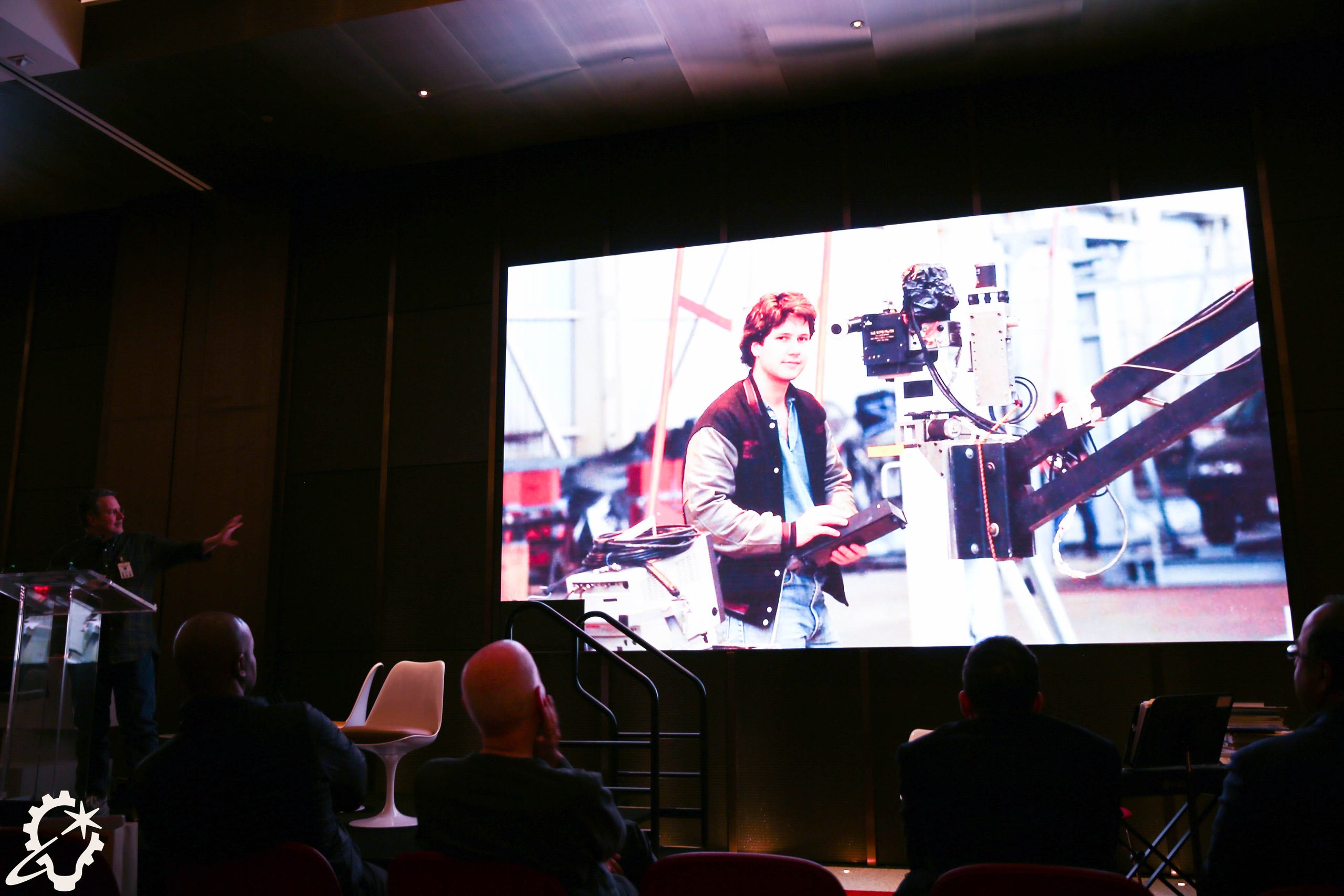
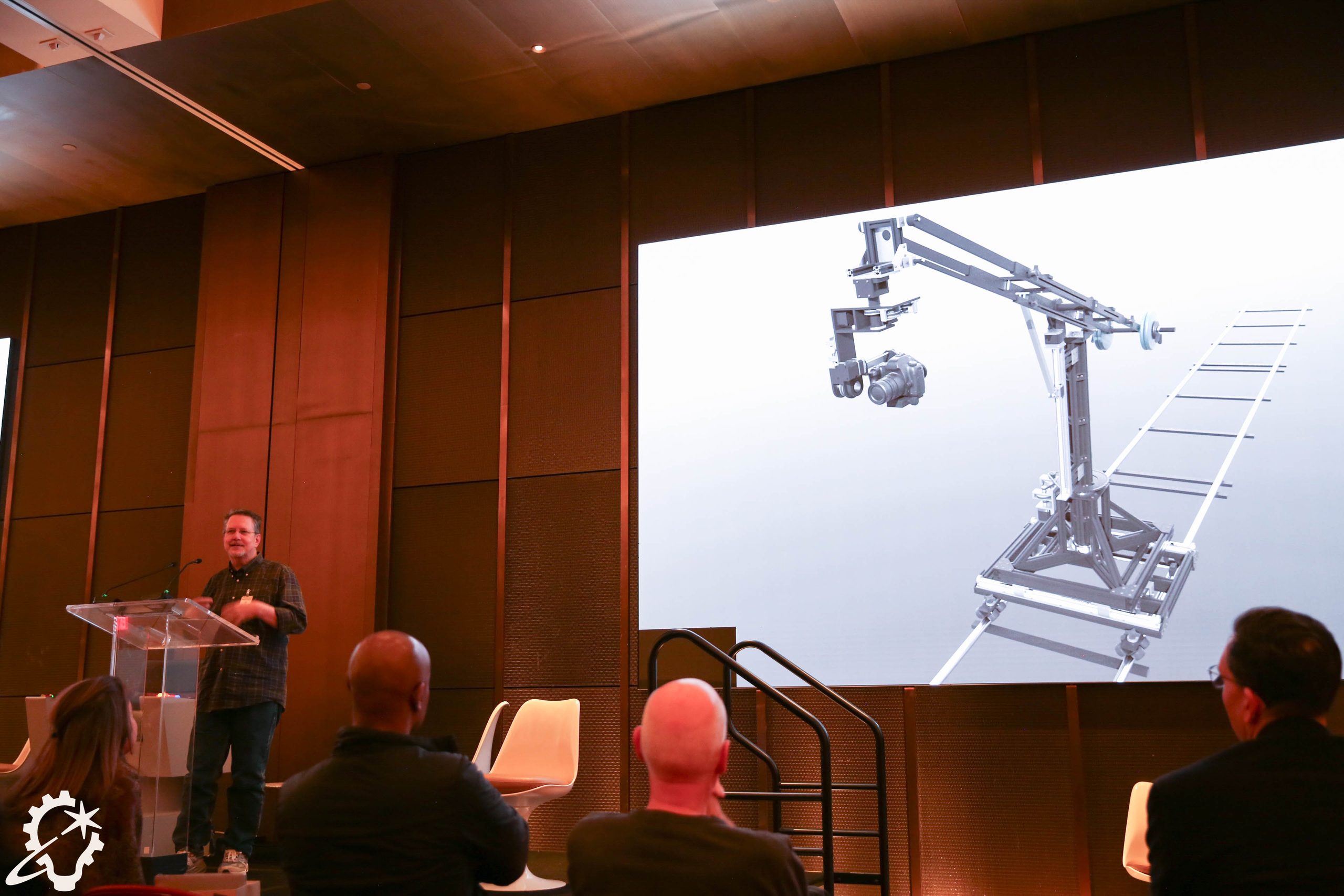
“When you’re photographing a bare metal ship, most of what you’re photographing are reflections that are capturing the environment around it,” Knoll explained. “So for the same reason that for The Mandalorian series we built this big LED volume to photograph the Mandalorian and his sets to see all the right things reflected in his helmet, we also wanted to see the right things reflected in the Razor Crest. So we built a miniature LED volume, eight feet by eight feet by eight feet.”
Much of this self-motivated ingenuity is driven by Knoll’s own scientific background, which has long been inspired in part by a fascination with NASA and our own true-life outer space.
Ron Radeztsky is another person with a science background, in his case studying astrophysics at Princeton University, earning a PhD from Arizona State University, and later working at NASA before his shift into film and entertainment. Project Hail Mary provided him an opportunity to directly apply his earlier training to help create an accurate depiction of our own galaxy near the star Tau Ceti.
“We wanted to make them as realistic as possible,” Radeztsky told the gathering at Mission: 60s. “The problem is that the movie takes place 11.9 light-years away, and we had to figure out how to make realistic space scenes from that distance from Earth.”
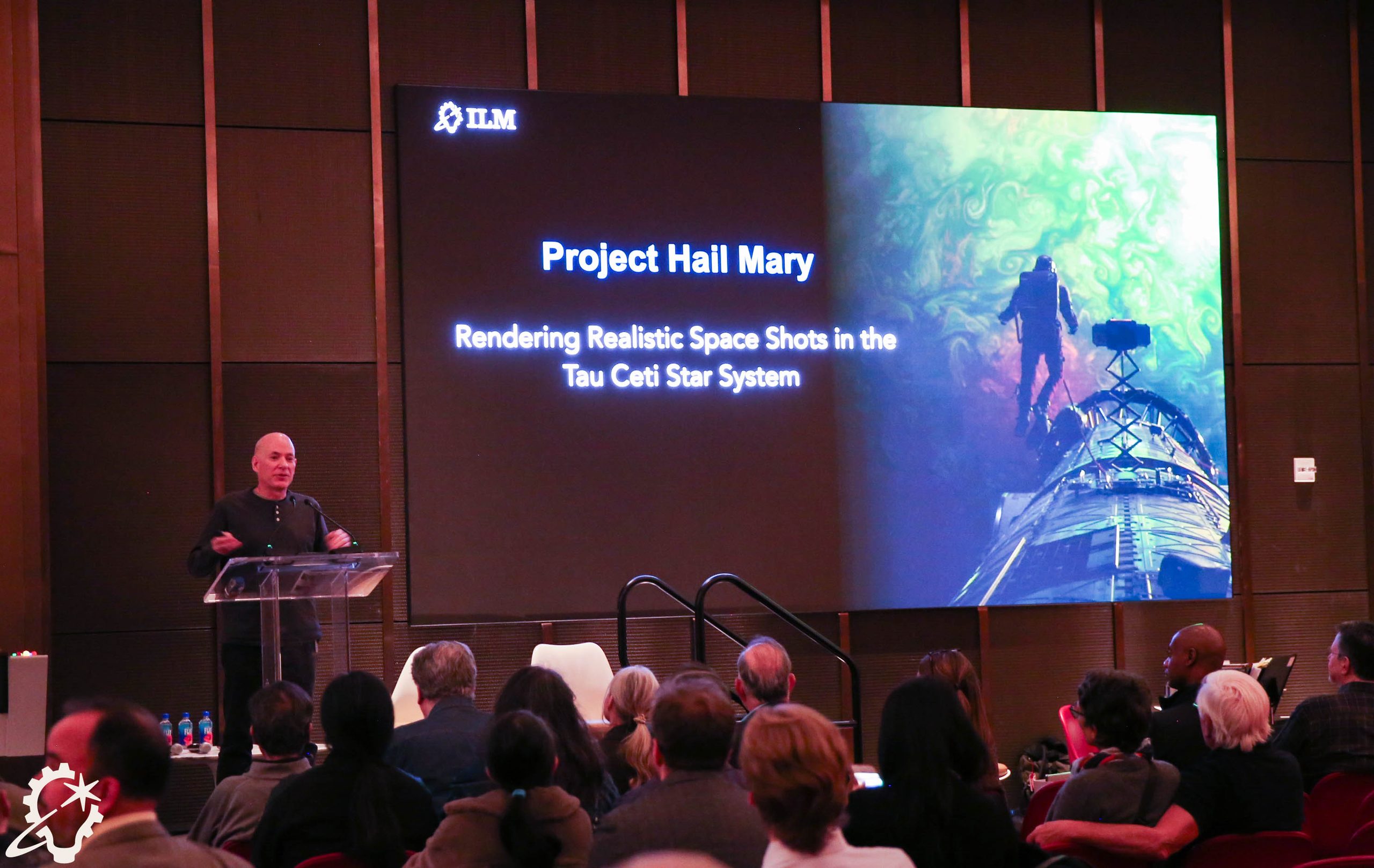
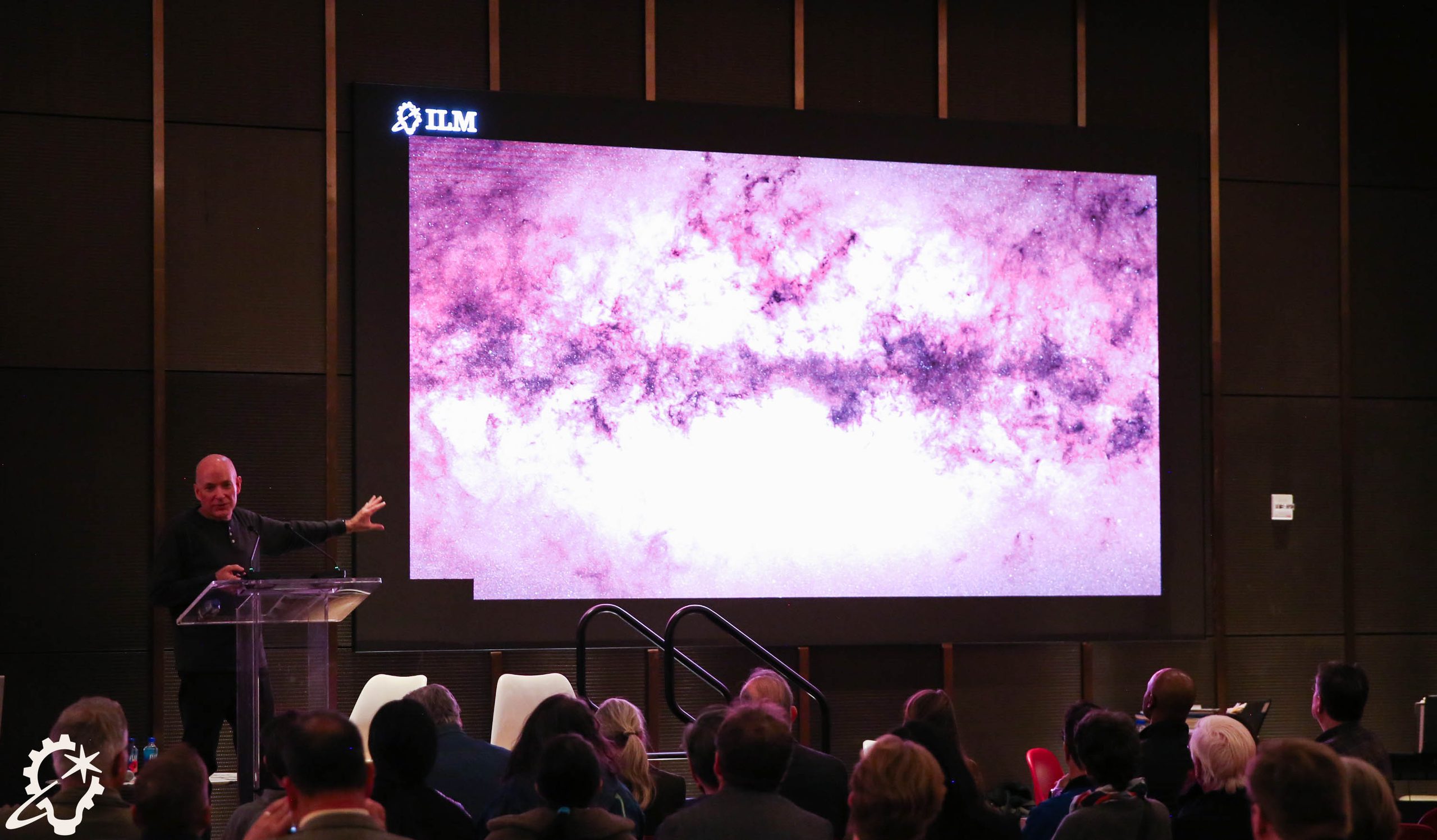
Part of the solution was to utilize huge amounts of data gathered by the European Space Agency scientists behind the Gaia space telescope. This brand-new information helped inform Radeztsky and his ILM colleagues, including visual effects supervisor Tristan Myles and associate visual effects supervisor Shaun Roth. One star at a time, they were able to carefully piece together an accurate view. “We’re trying to make things plausible even though we can’t actually travel to other star systems at this point, though we hope we can one day,” Radeztsky added. “The whole idea of the visual effects we were doing was to be as realistic as we could make it, and we went to great lengths to do that.”
Reflecting on the use of the Gaia telescope data, Dr. Domagal-Goldman would comment how “a bunch of nerds like us [at NASA] build Gaia so that we can understand stars and their motions and also detect exoplanets by measuring their motion. And then a different group of amazing nerds – and I say that as a term of affection – picks up those data sets and uses them so that another group of nerds out there can watch Project Hail Mary and have an immaculately precise backdrop for the things that are happening on Tau Ceti.”
For some, such a thorough undertaking might raise questions as to how and why the visual effects artists were empowered to do such spellbinding work. “The kind of funny way that people phrase the question is, ‘Why did they let you do that?’” observed Radeztsky with a laugh. “My short comeback to that is, ‘Because no one told me to stop.’ […] There was a fundamental goal to make this movie as realistic as it could possibly be. This idea bubbled up of charting the stars. We actually thought it was going to be a small bit of work when we started. But the more we worked, the more wonderful the pictures kept getting, so we kept plugging away at it…. We want to make the best work we can. It’s our job to make beautiful images to inspire people. If we can do better, why not continue?”
As in visual effects and filmmaking, remarkable innovations continue to be introduced in the astronomical sciences, including NASA’s recently launched Nancy Grace Roman Telescope. This device “will characterize the light of over one billion galaxies over its lifespan,” as Amaresh Kollipara explained, “and it will be discovering and characterizing 100,000 exoplanets. We currently know of only 6,000, so it’s a massive increase. The amount of data and the amount of insights that the Roman Telescope will bring will also have a wonderful effect on content creation for the creative arts.”
Referencing scientific data isn’t anything new for ILM when it comes to making Star Wars.
“I was working on Star Wars: Attack of the Clones right around the time that NASA’s NEAR [Near Earth Asteroid Rendezvous] mission was doing a laser altimeter survey of Eros,” recalled John Knoll in reference to an asteroid on which an unmanned spacecraft landed to collect data. “I saw a technical paper that presented the data while we were working on a scene when Obi-Wan is being chased through an asteroid field…. I contacted one of the authors and asked if there was any way I could get the laser altimeter data of Eros. I couldn’t say what I was doing with it yet, but I could tell them in a year or so. If you’ve seen the film, Jango Fett has a weapon that we call a guitar bomb that destroys asteroids. The first asteroid that you see get destroyed is Eros. It’s a little Easter Egg that no one would really know but I did that because I thought the data was cool.”
The spirit of discovery has the power to inspire and motivate humans around the world. For Knoll, the key to that inspiration is to capture it visually and allow the world to see it. “For me, a lot of it is about compelling imagery,” he noted. “Some of the most memorable images from the 1960s were from NASA, and a lot of them were shot with engineering cameras. These were not things that anybody planned to blow people’s minds. Something like the inner stage ring of the Saturn V falling away. That was an engineering camera placed in the second stage to make sure the stages were separating properly. You need to show this spectacular stuff to everyone. NASA is doing amazingly cool things. Show it to people. You want people to be excited about the programs and be enthusiastic about them.”
Lucas O. Seastrom is the editor of ILM.com and Skysound.com, as well as a contributing writer and historian for Lucasfilm.