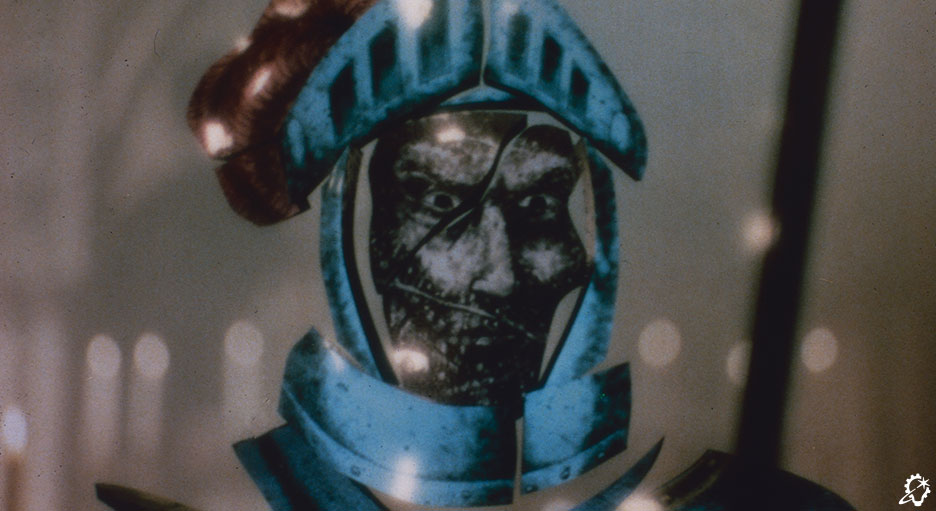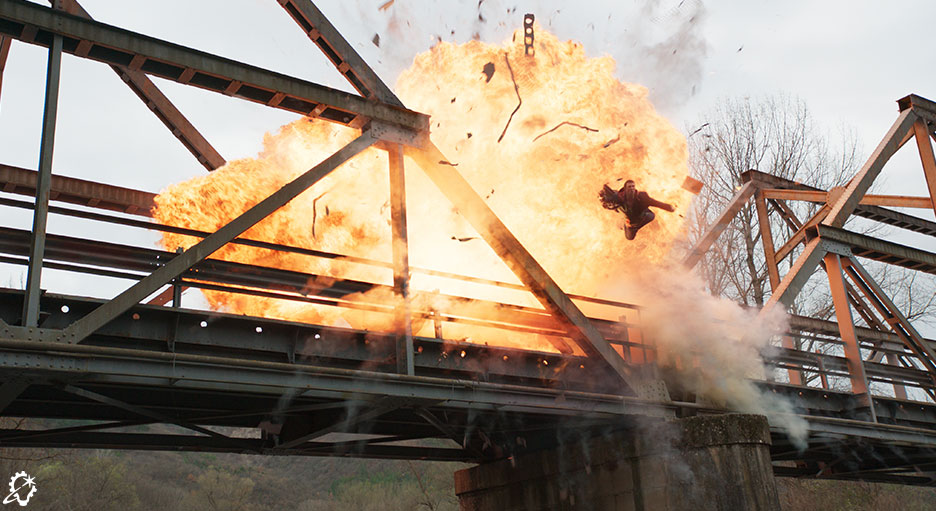
In honor of Star Trek’s 60th anniversary, ILM alumni Ken Ralston and Kirk R. Thatcher discuss the company’s visual effects contributions and connections to the Star Trek franchise.
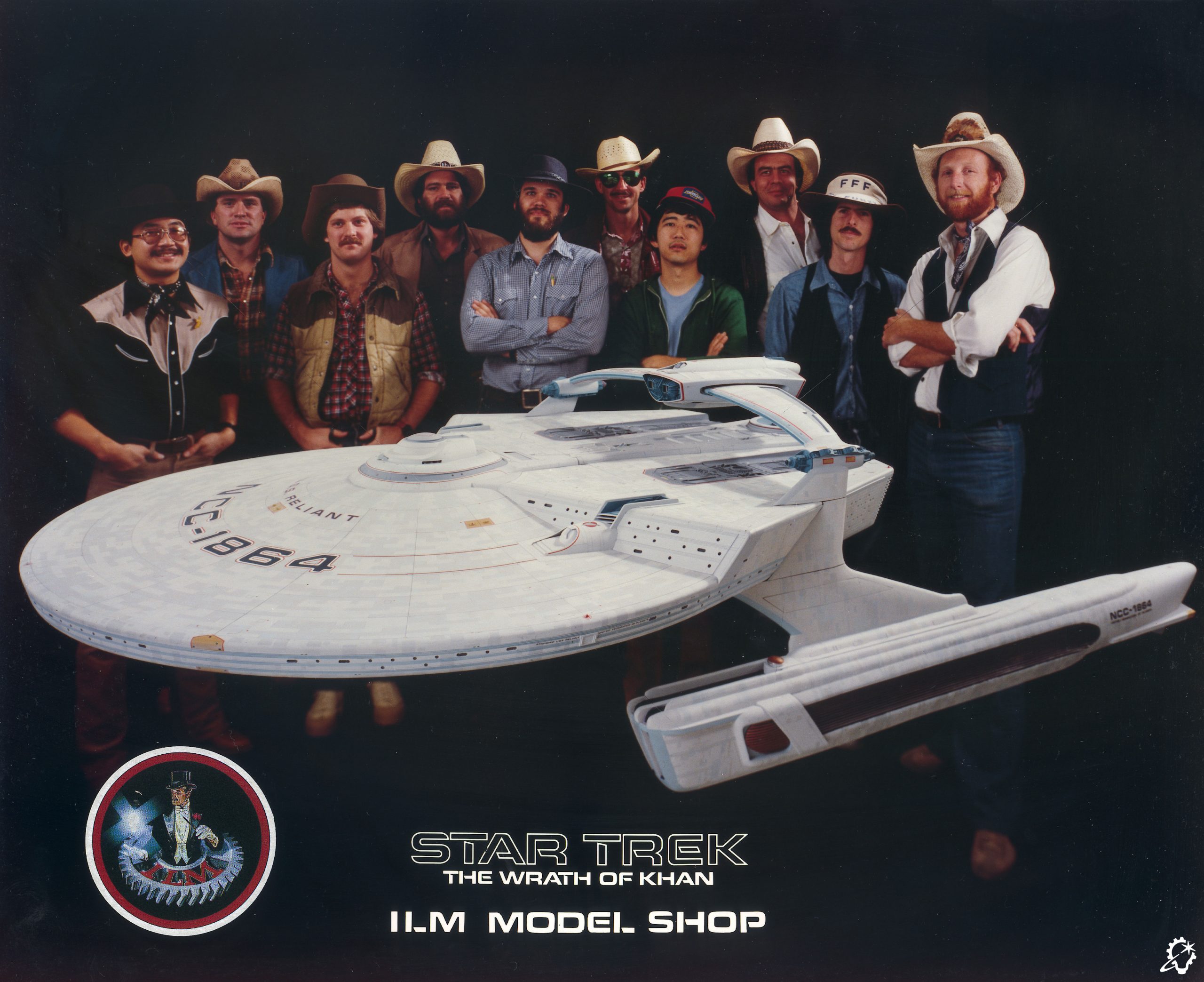
As a company founded by George Lucas, Industrial Light & Magic is typically associated with its visual effects work in the Star Wars galaxy, and understandably so. However, ILM has also produced visual effects for Star Trek films and series across more than 40 years of its history. In fact, ILMers have supervised the visual effects on eight of Star Trek’s 13 theatrical releases. Additionally, ILM made prominent visual effects contributions to the television series Star Trek: The Next Generation (1987-94). Starship models created by ILM were often reused in later series, and many ILMers even worked on Star Trek projects outside their formal time at the company.
With the Star Trek franchise celebrating its 60th anniversary today, ILM.com has assembled an all-star team of ILM luminaries and Star Trek experts to explore the inextricable ties between ILM and Star Trek. Current and former ILMers Ken Ralston, John Knoll, Roger Guyett, Kim Smith, and Kirk R. Thatcher, as well as longtime Star Trek visual effects supervisor Dan Curry, join us to offer their perspectives on ILM’s role in Star Trek’s illustrious history.
Over a decade prior to the start of visual effects pioneer Richard Edlund’s tenure at ILM – well before the company had even been founded, in fact – he was heavily involved in creating the iconic titles for the original Star Trek (1966-1969) television series. “I was a hand-lettering artist and a photographer,” Edlund recounted of his time at the Westheimer Company to The Roddenberry Vault. “Star Trek appeared on the horizon – we did a lot of the titles. I started out by hand lettering all the titles. I basically did the entire alphabet, and we did phototypeset artwork.”
Such instances of former and future ILMers contributing to Star Trek underscore the longstanding and inextricable ties between ILM’s personnel and the franchise, but the majority of ILM’s impact on Gene Roddenberry’s creation stems from the films and series for which the company itself was hired to supply visual effects. ILM’s foray into the Star Trek universe began with Star Trek II: The Wrath of Khan (1982), as up until that point, the company’s visual effects work had centered on projects connected to its founder. “Previously, everything was a George – or a friend of George – project,” Kirk R. Thatcher tells ILM.com, “but Star Trek kind of tracked with ILM’s history. It was sci-fi with space and all that.”
While ILM was synonymous with Star Wars, many ILMers maintain an enthusiastic love for Star Trek. “I was a huge OG series fan,” Thatcher remembers. “I had a Captain Kirk [William Shatner] and Spock [Leonard Nimoy] poster, and my mom helped me mount them on a posterboard above my bed. My mother embarrassingly told Leonard Nimoy about it at the screening of Star Trek IV [laughs]. I had never told him because I didn’t want him to fire me for being a big nerd. Star Trek had social commentary and was a little more thoughtful – Star Trek made you think. As an autistic kid, I understood Spock, and his character resonated with me.”
“I enjoyed the [Star Trek] television show and did everything I could to make sure I was there to watch it every time it was on,” notes Ken Ralston. “Especially the first season – there were some terrific episodes in there. So, it was fascinating that I got connected to The Wrath of Khan, and I was excited about it. Half of the reason we were doing visual effects work is that we were interested in stories like Star Trek, science fiction and fantasy films, and things of that nature. That’s why we got into it in the first place.”
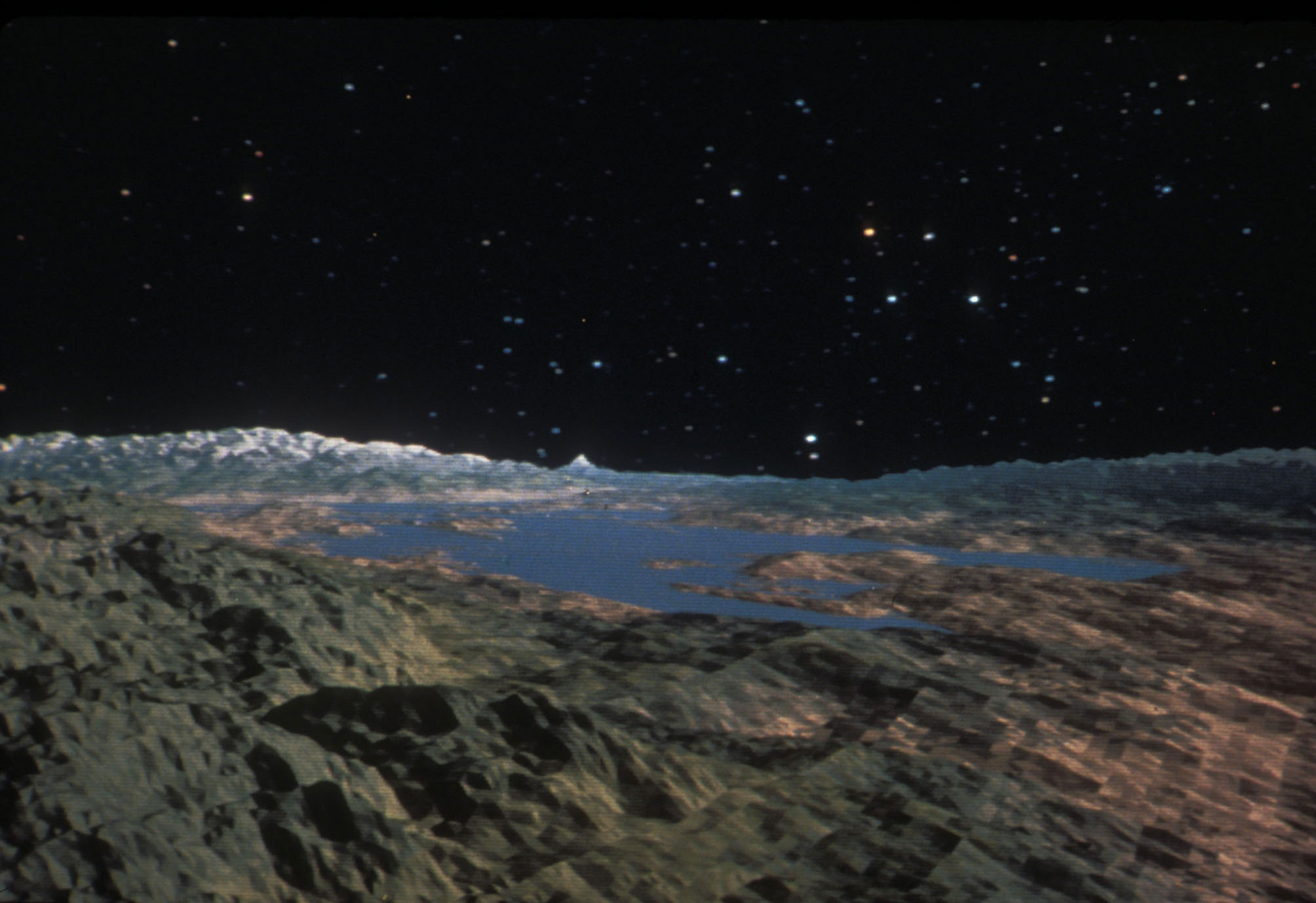
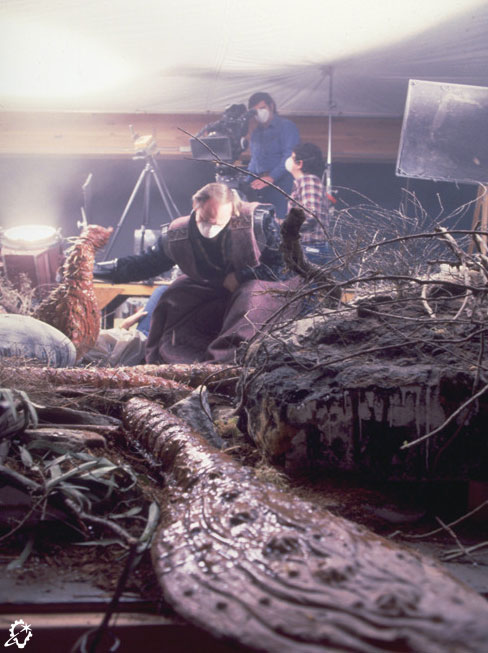
From pitting the USS Enterprise in ship-to-ship combat against the USS Reliant in the Mutara Nebula to designing and puppeteering the invasive Ceti eels, ILM provided a diverse array of visual effects for Star Trek II, with Ken Ralston and Jim Veilleux splitting duties as visual effects supervisors on the project. In fact, the Lucasfilm Computer Division broke new ground when its depiction of the Genesis Device terraforming a barren planet became the first sequence in the history of feature films made entirely with computer graphics.
“When Star Trek II came up, it was a big step for me to move into a supervisory position,” says Ralston, who had already risen up the ranks through his work on Star Wars: A New Hope (1977) and Star Wars: The Empire Strikes Back (1980). “Paramount played their cards safely by splitting the job up for two different people to see how that worked. I did more of the action stuff – the chases, the nebula, the Ceti eels, and all of those good things. Jim Veilleux did the rest and had more to do with the CG involved in it, too.”
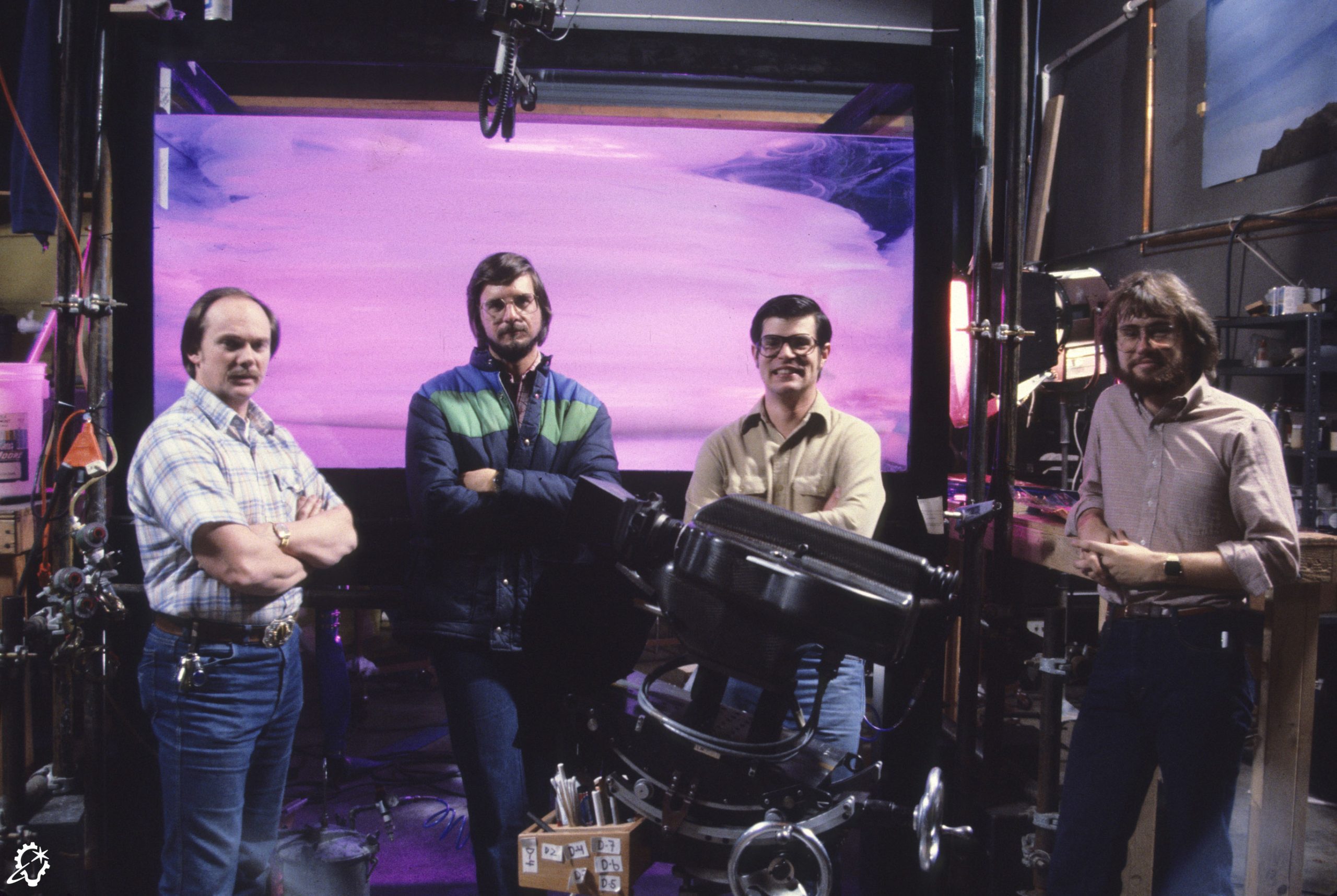
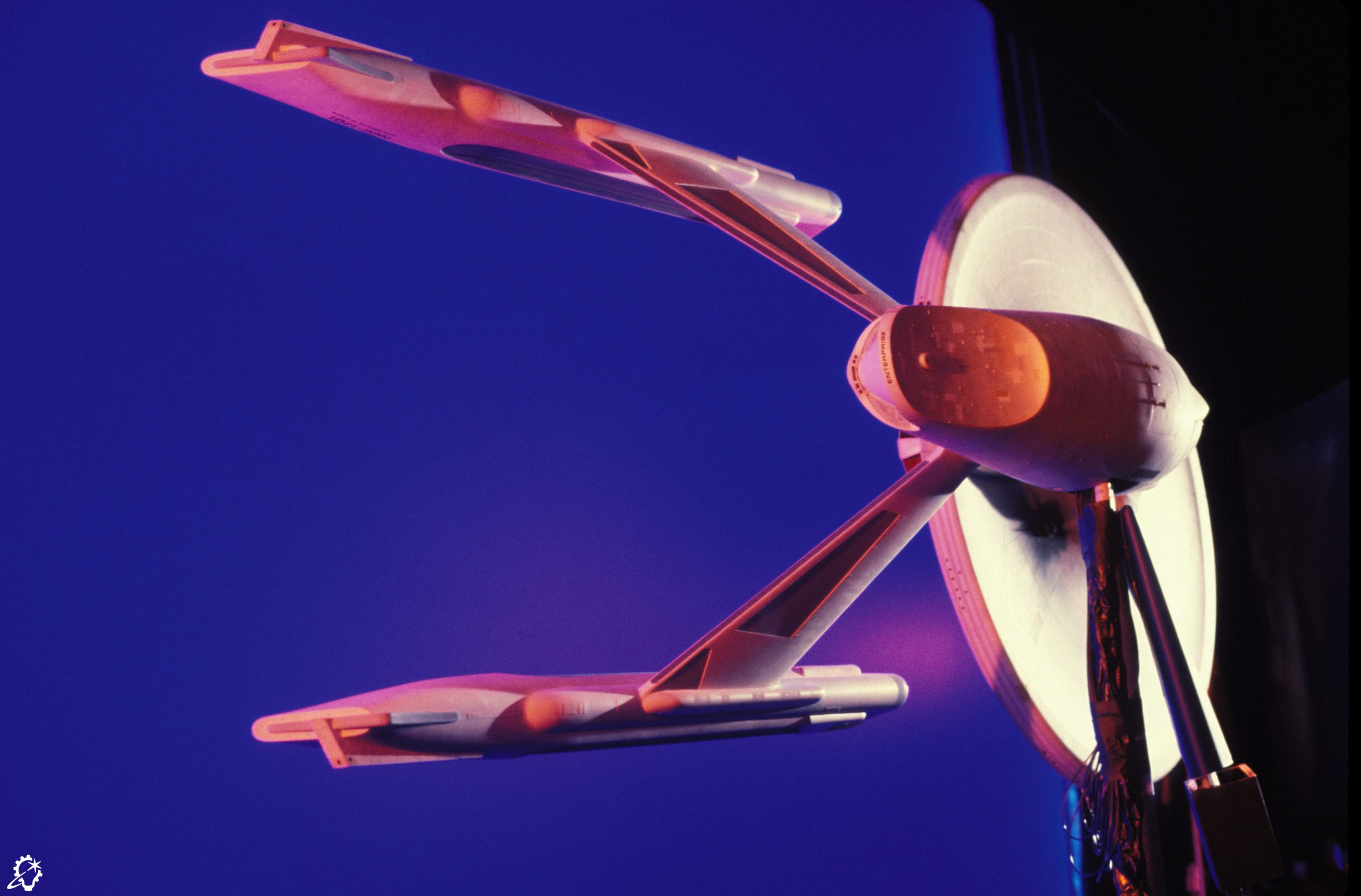
Speaking to the nebula-based showdown between Admiral Kirk’s USS Enterprise and Khan Noonien Singh’s (Ricardo Montalban) captured USS Reliant, Ralston shares, “We shot the Enterprise – the ship was actually [Star Trek: The Motion Picture (1979) special photographic effects director] Douglas Trumbull’s beautiful model that we had shipped up – and the nebula featured a lot of complicated and time-consuming cloud tank work. We experimented with different materials that would lay in this cloud tank using inversion layers and whatnot to try to break shapes up. We mixed latex with a cartoon white color, and once we laid it in there, we started throwing gels on all the lights. A blue on this light, maybe a magenta on that one.”
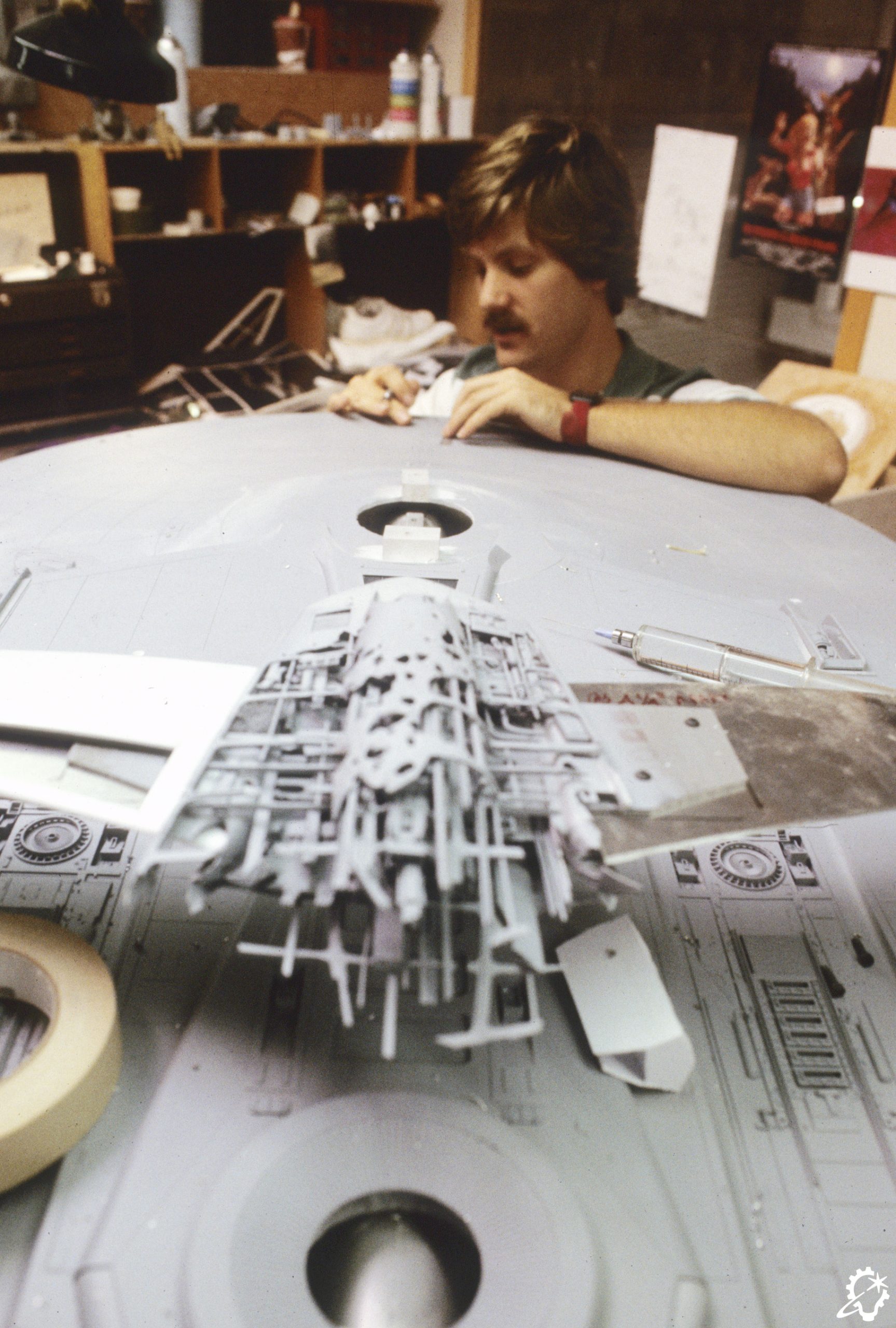
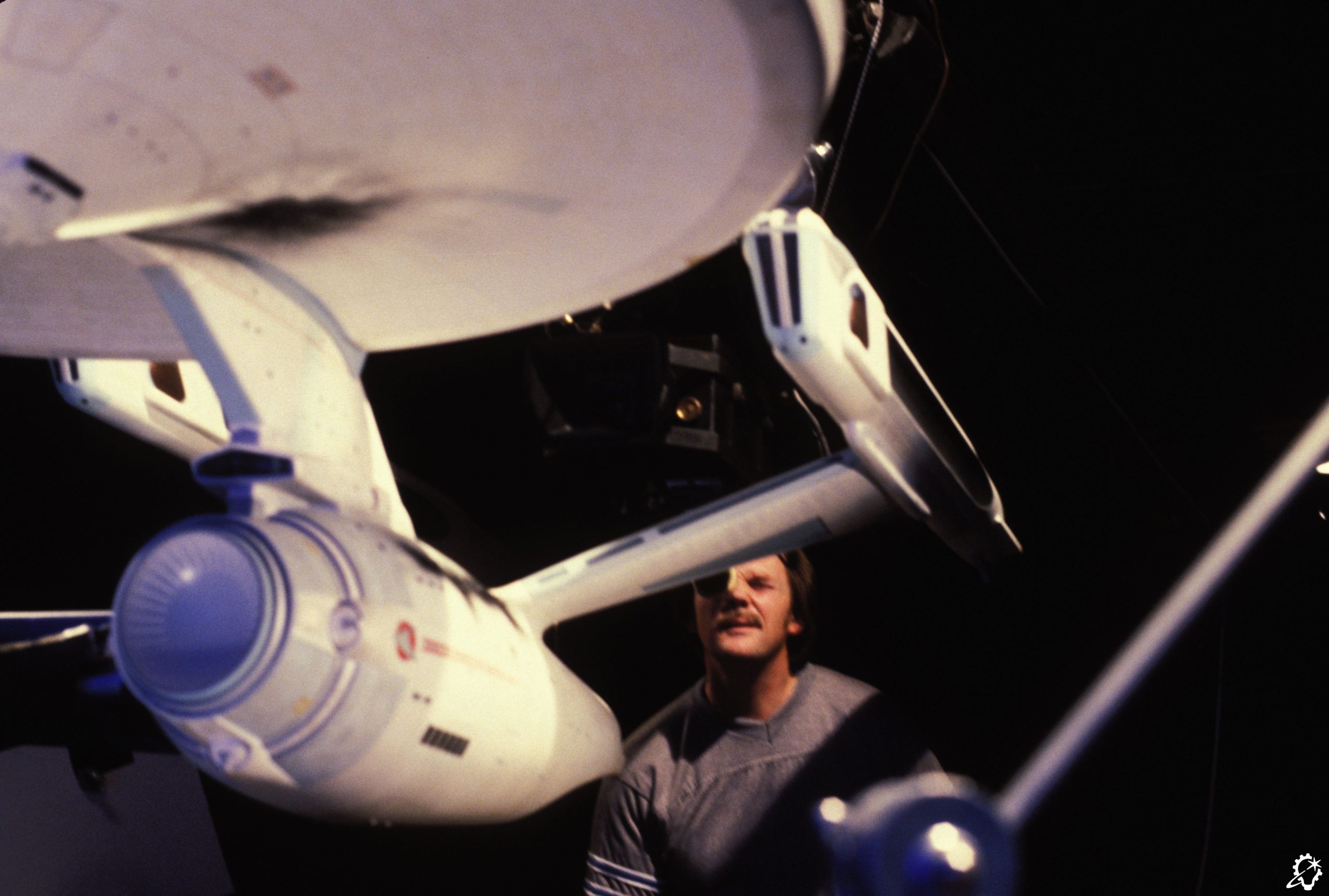
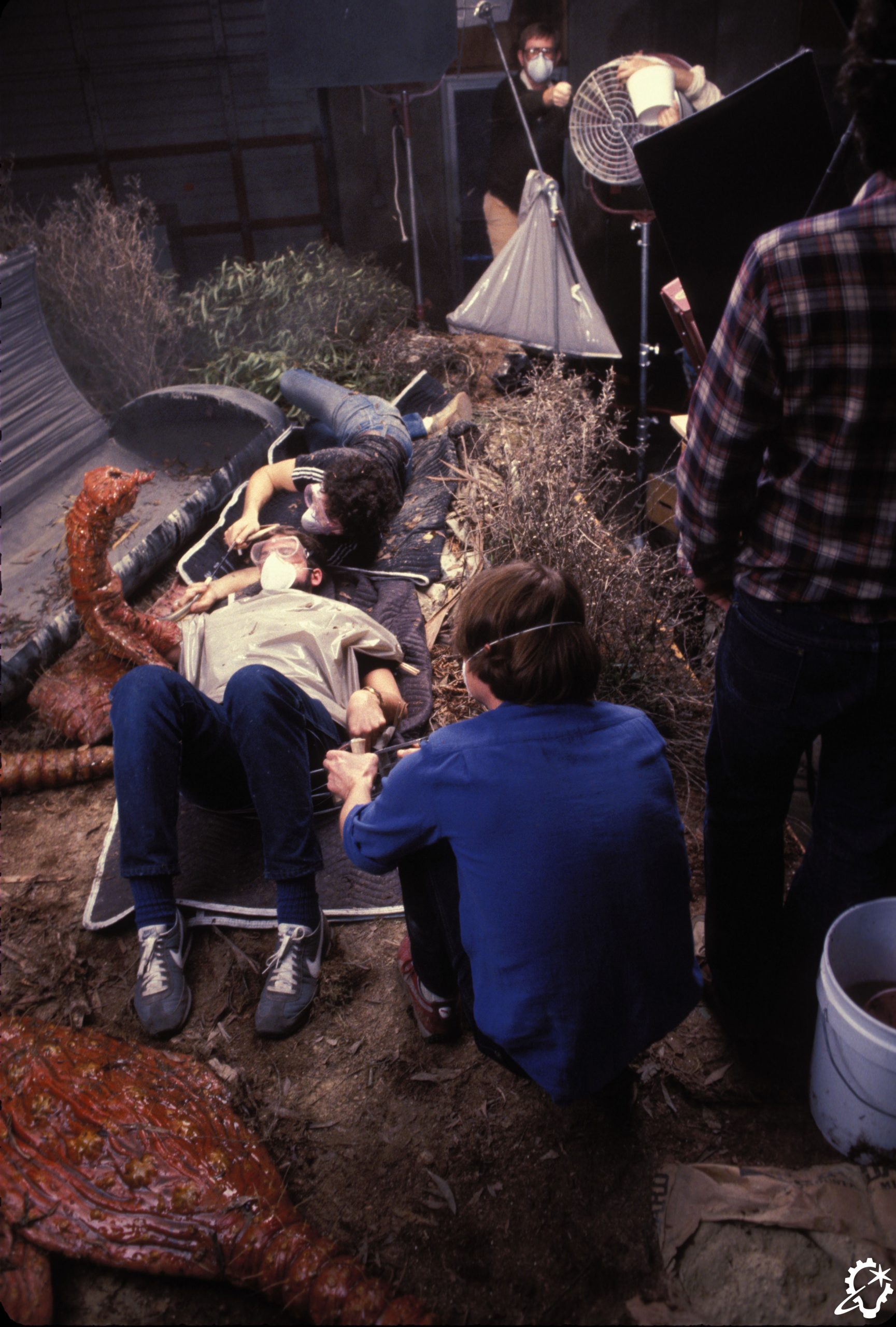
The colorful nebula stands in stark contrast to the more muted tones of the Ceti eels, which included a larger creature and its smaller, leech-like offshoots that burrowed into their victims’ ears. “I designed the Ceti eels and sculpted the maquette to show [director] Nicholas Meyers and [producer] Robert Sallin. They loved it. I ended up sculpting and puppeteering the real Ceti eel, as well as lighting it and shooting all the inserts, which was a blast,” Ralston notes. Pointing toward the creature’s menacing mandibles, he laughs, “I’m not a mechanical genius, but I was having lunch with some of the gang and saw a spring-loaded tea strainer. I bent it to do pinchers like the mouth of this rubber eel, and that was my technique for getting the mouth to move. I had a little rod in the back to give the tail some undulation. It was fun shooting that and ‘becoming’ a Ceti eel.”
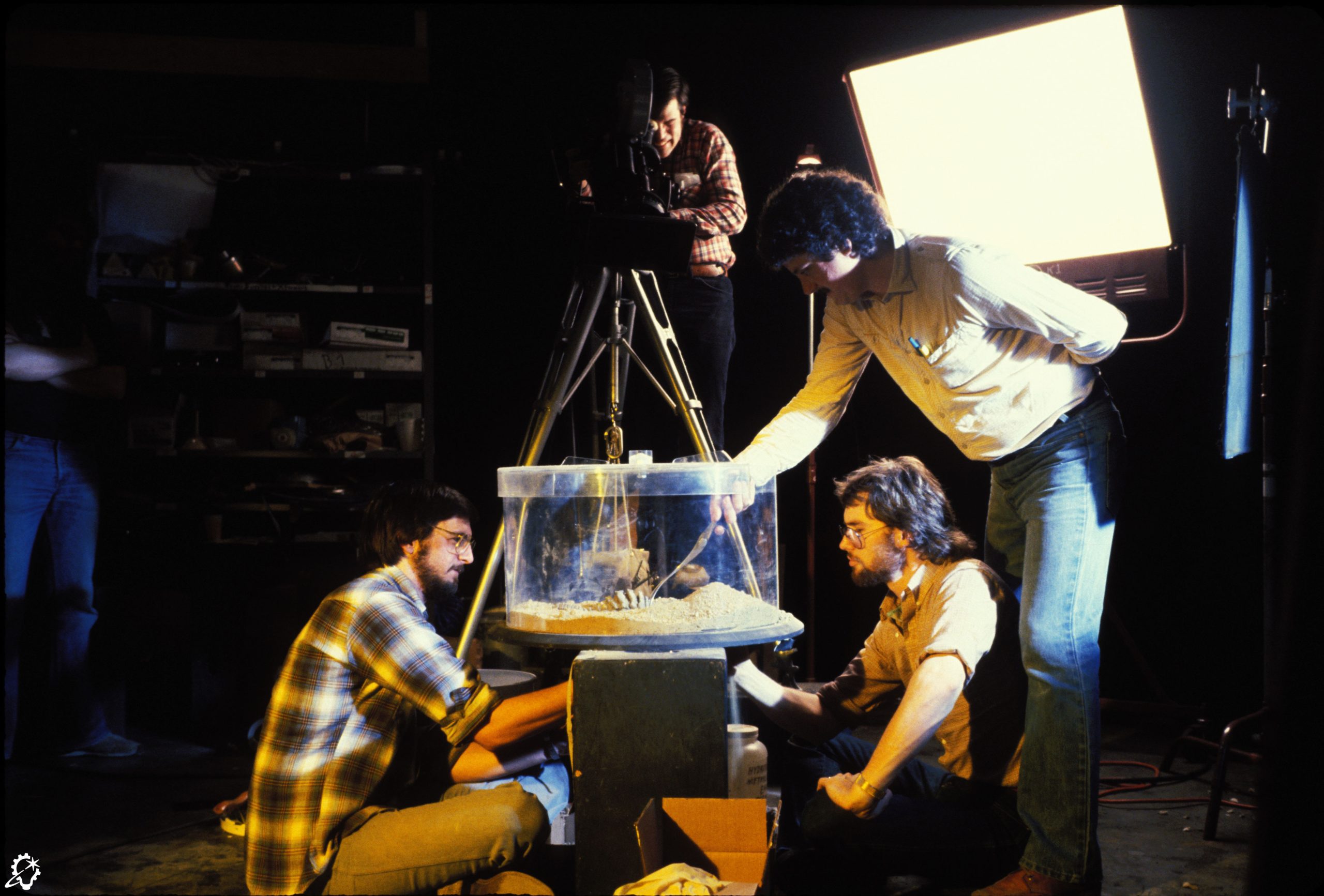
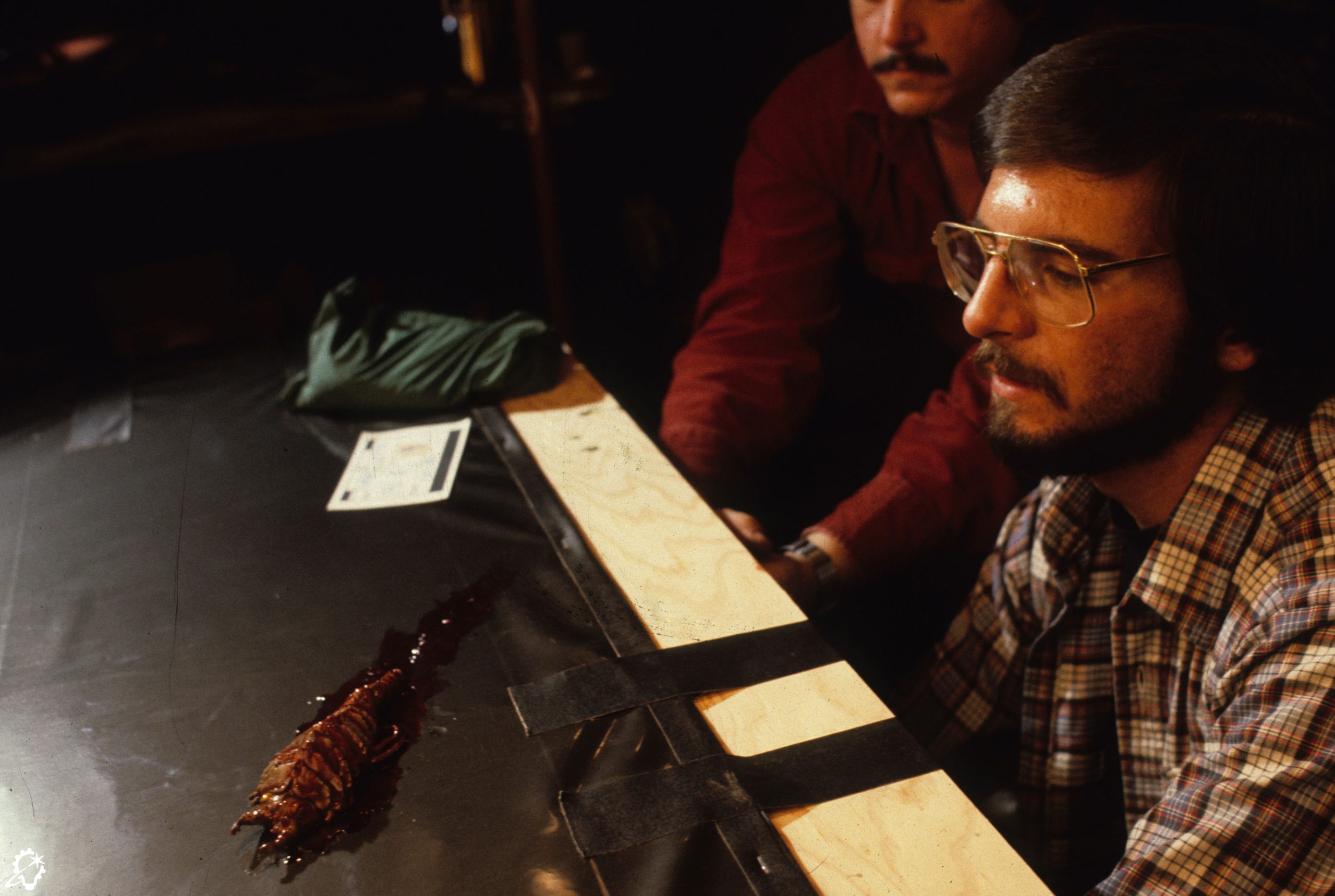
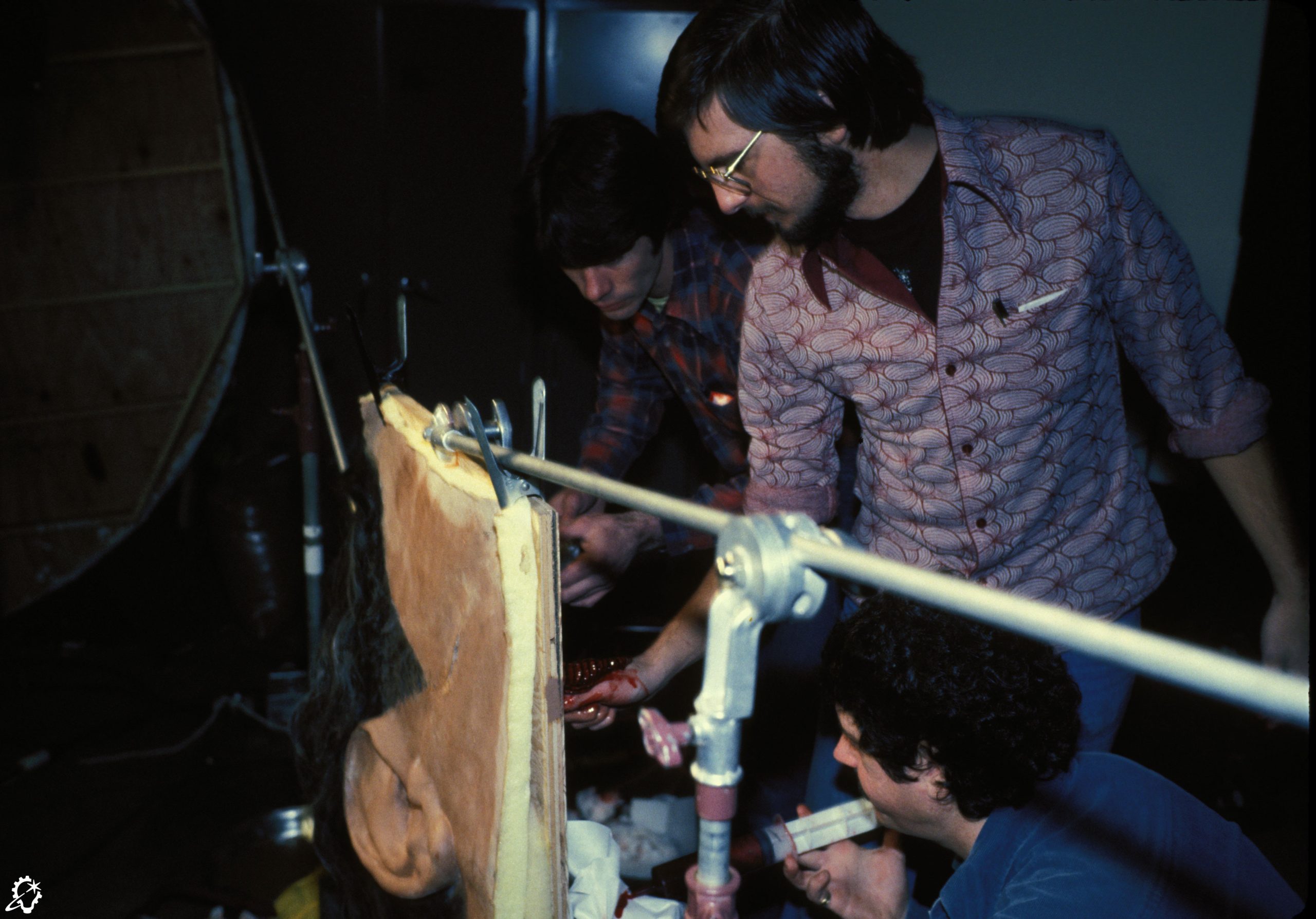
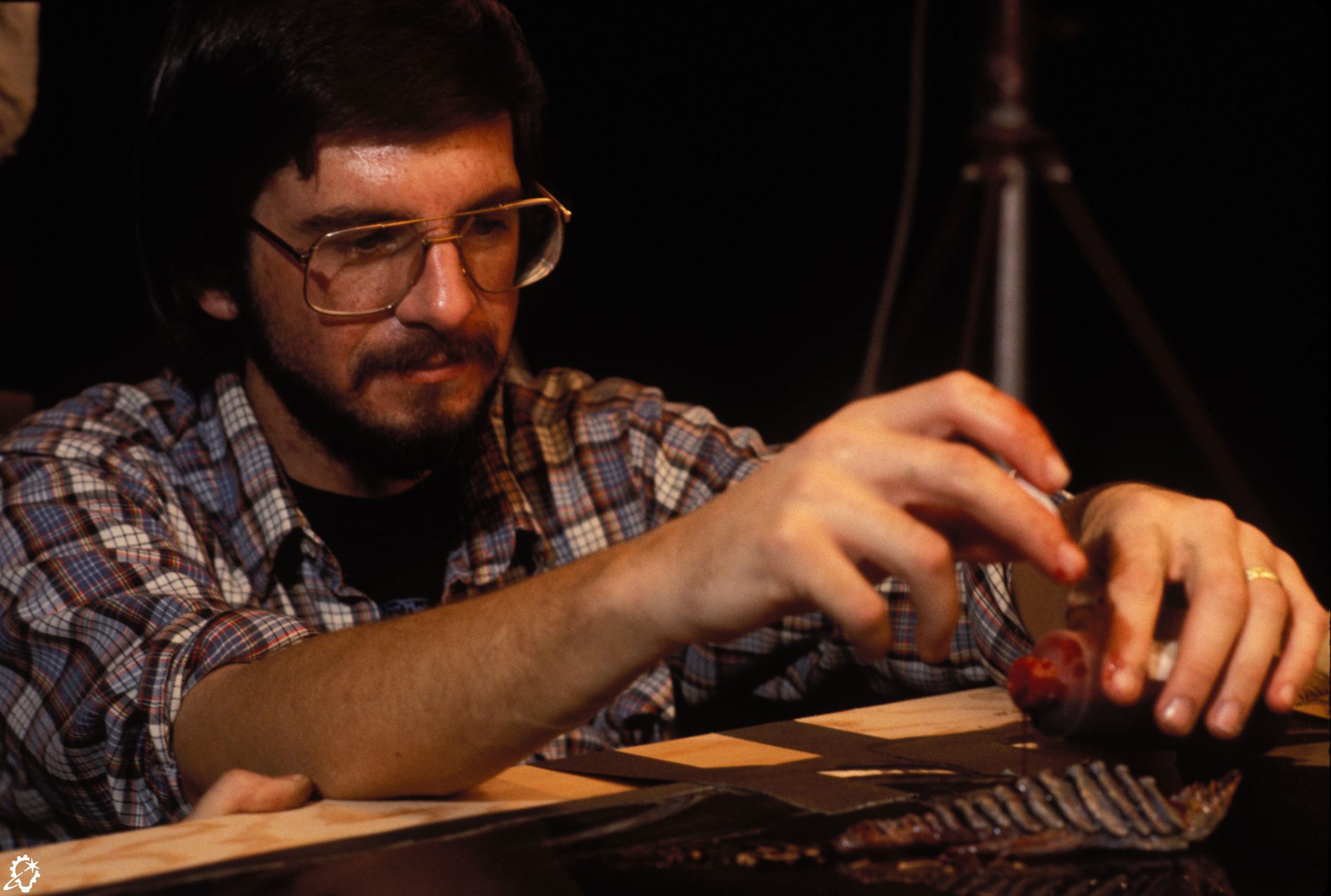
The Ceti eels play a prominent role in the film, entering the ears of Captain Terrell (Paul Winfield) and Commander Chekov (Walter Koenig), allowing Khan to control their minds. “I worked on the ear bits, helping to make the big Chekov ear and the Ceti eels,” Thatcher adds. Depicting the eels heading toward their victims’ ears called for another clever solution, as Ralston indicates, “We had to shoot the little eels crawling across their faces. I took a simple piece of polyfoam, got some nail scissors, cut a basic shape, and then cut all these circular shapes into it with the finest little piece of foam rubber holding it all together. I painted that up and dipped it in an organic goop that’s found in ketchup. When I put it on, we had one monofilament line, and I’d just barely move it, then stop – after testing it on some people at ILM, the front would move, and the back would slowly catch up. I love that stuff!”
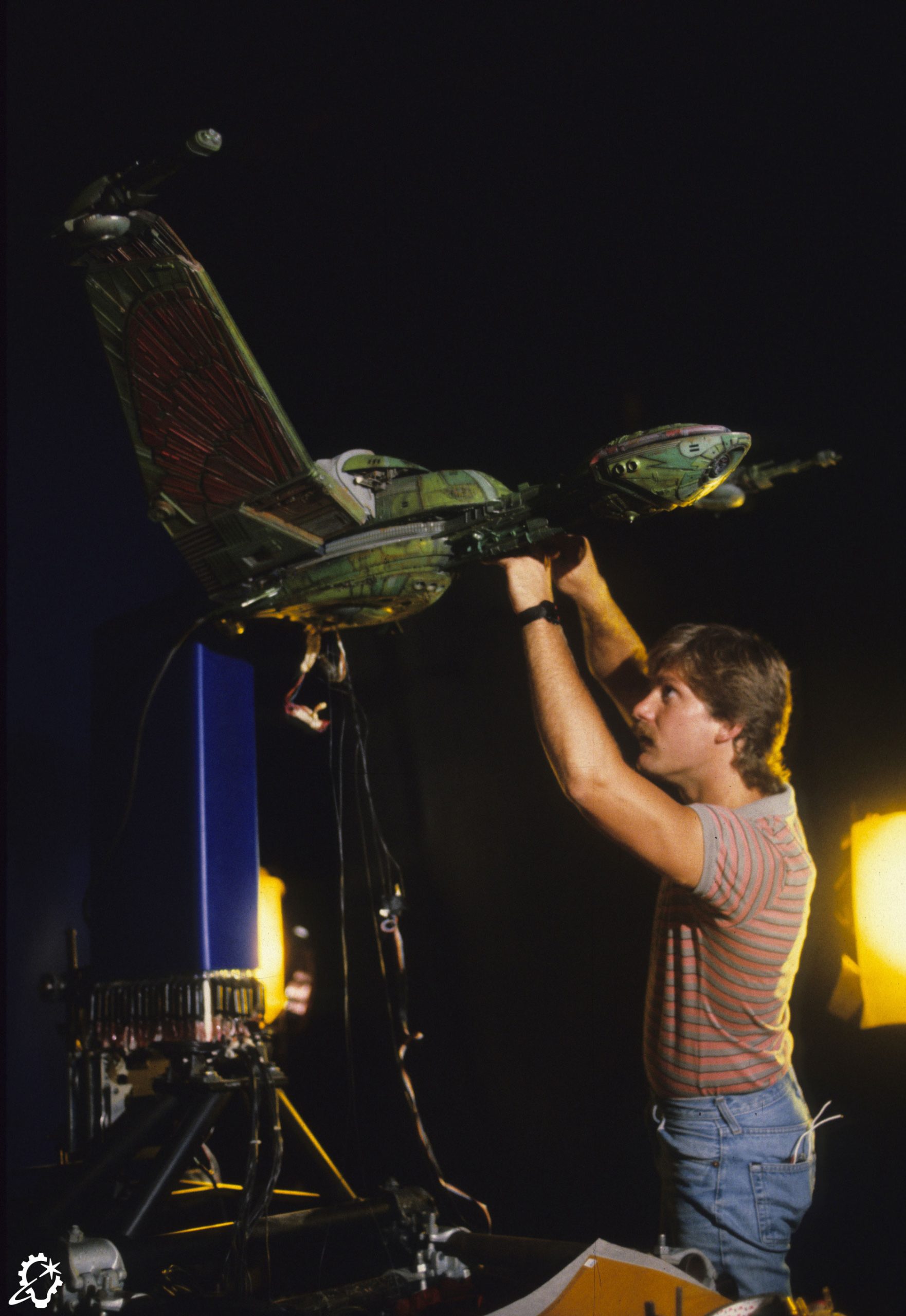
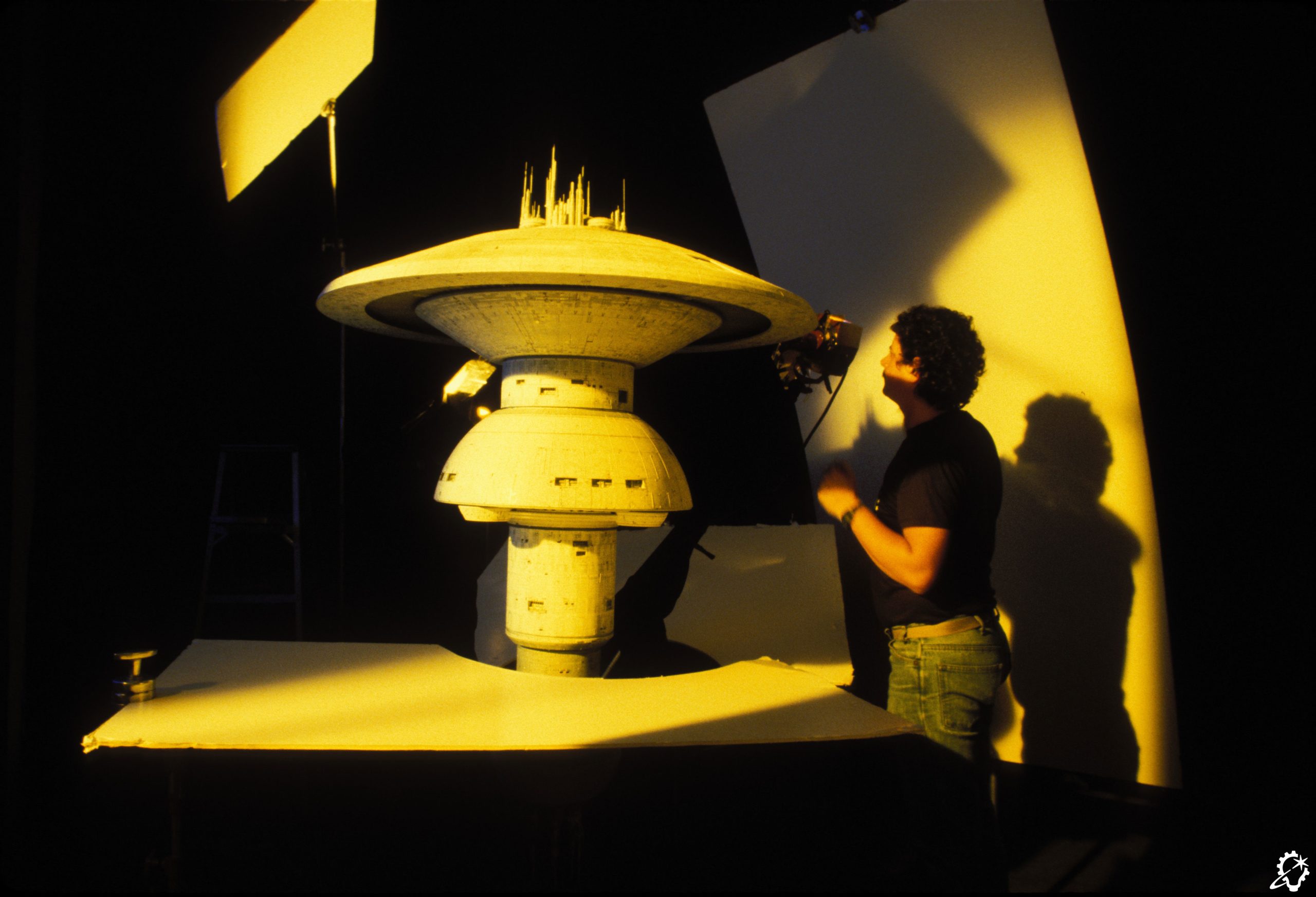
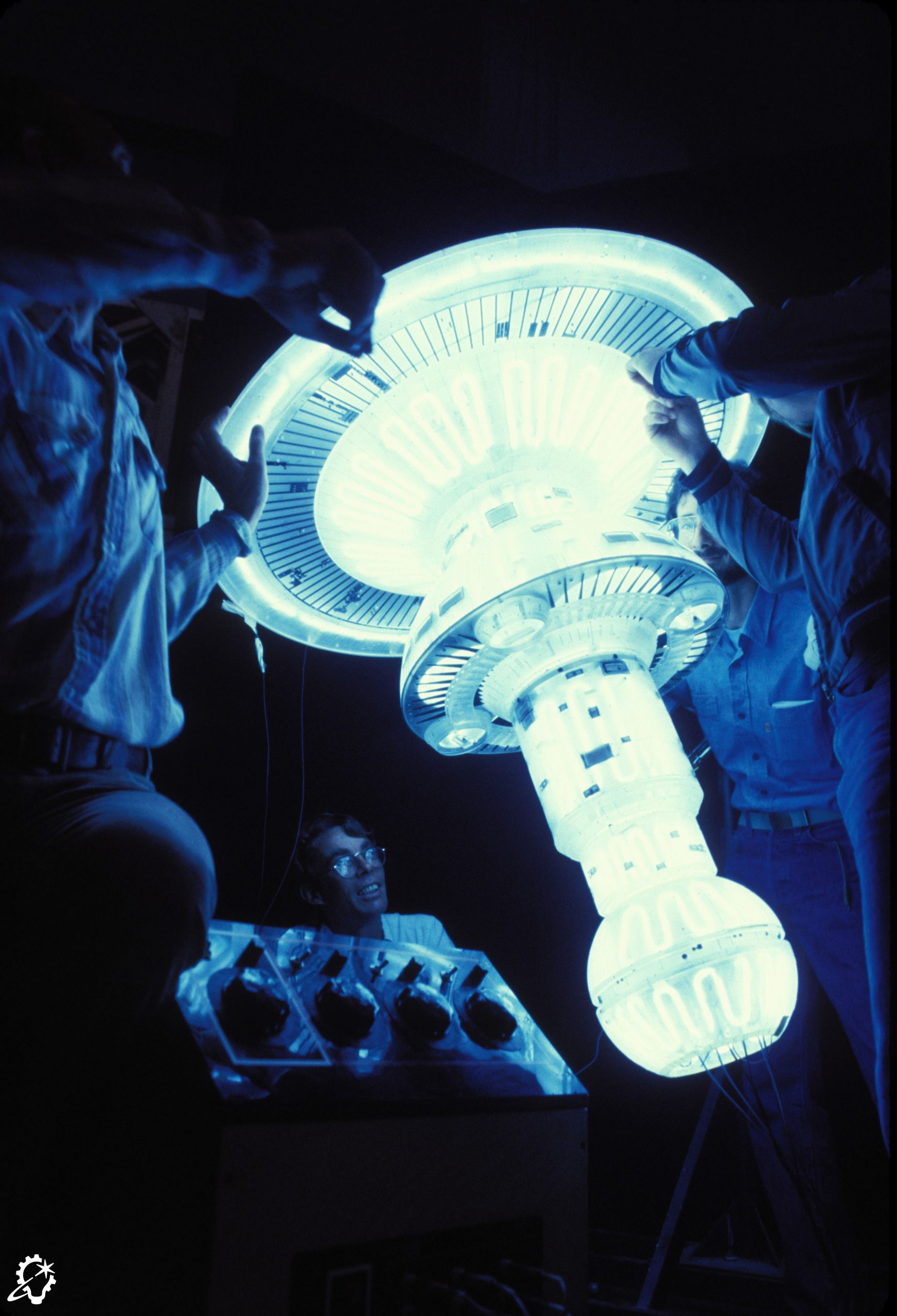
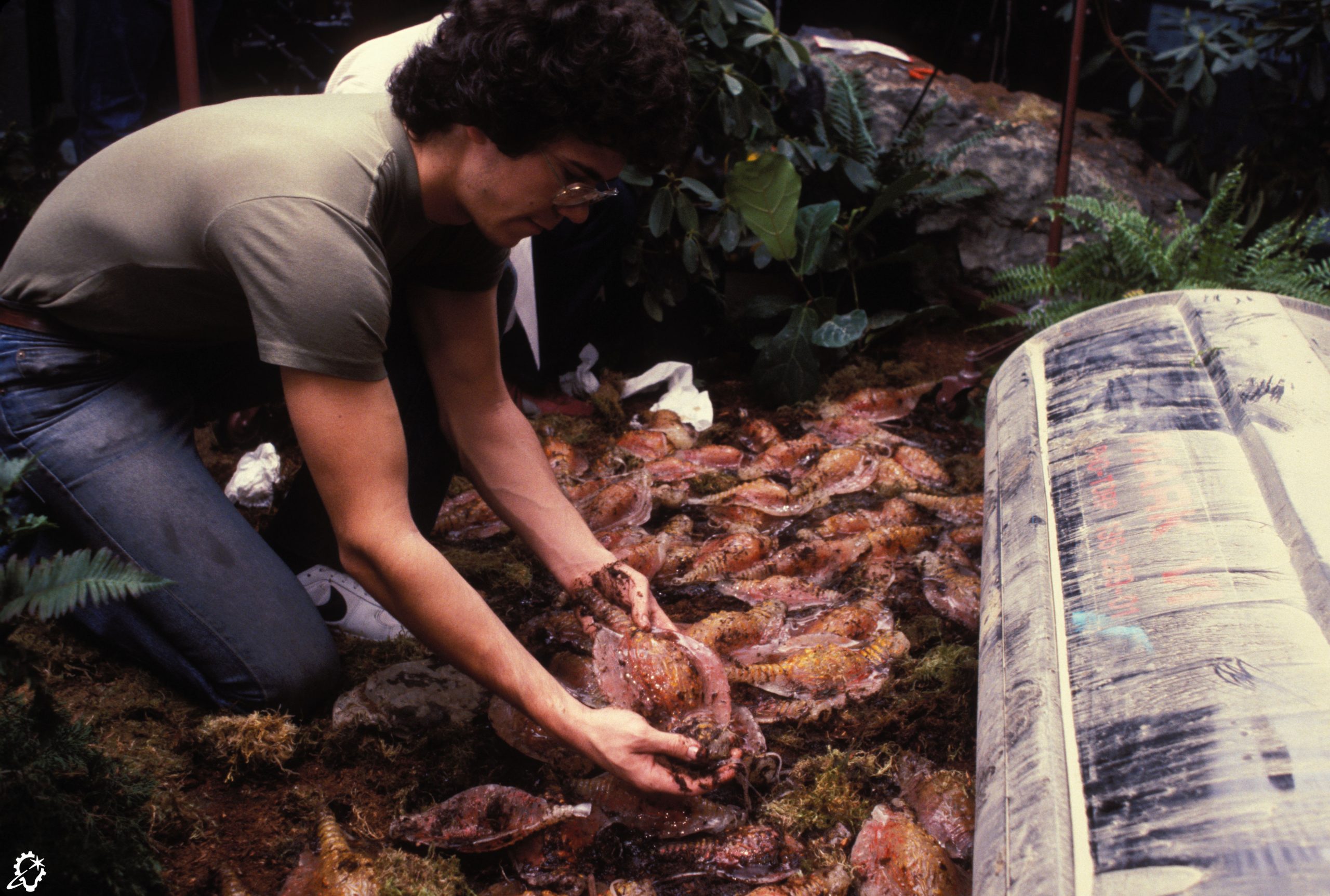
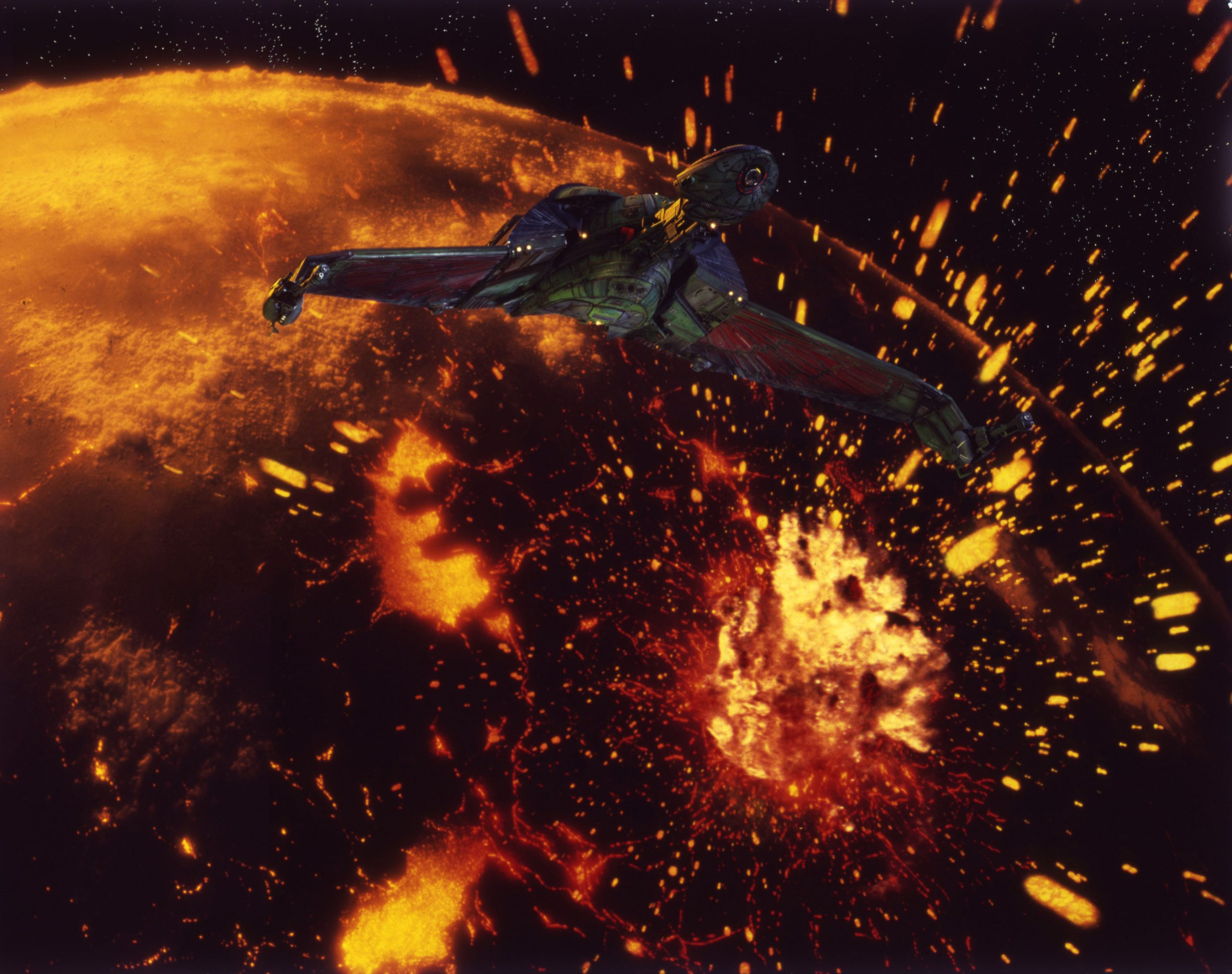
With actor Leonard Nimoy in the director’s chair for Star Trek III: The Search for Spock (1984), production once again enlisted ILM to supply visual effects for the film, this time with Ralston serving as production visual effects supervisor. The Search for Spock proved to be another monumental task involving the design and construction of multiple ships – including the USS Excelsior, USS Grissom, and a Klingon Bird-of-Prey – along with a brand new Federation Spacedock, as well as the creation of puppets to depict a dog-like Klingon targ and worm-like creatures on the Genesis Planet.
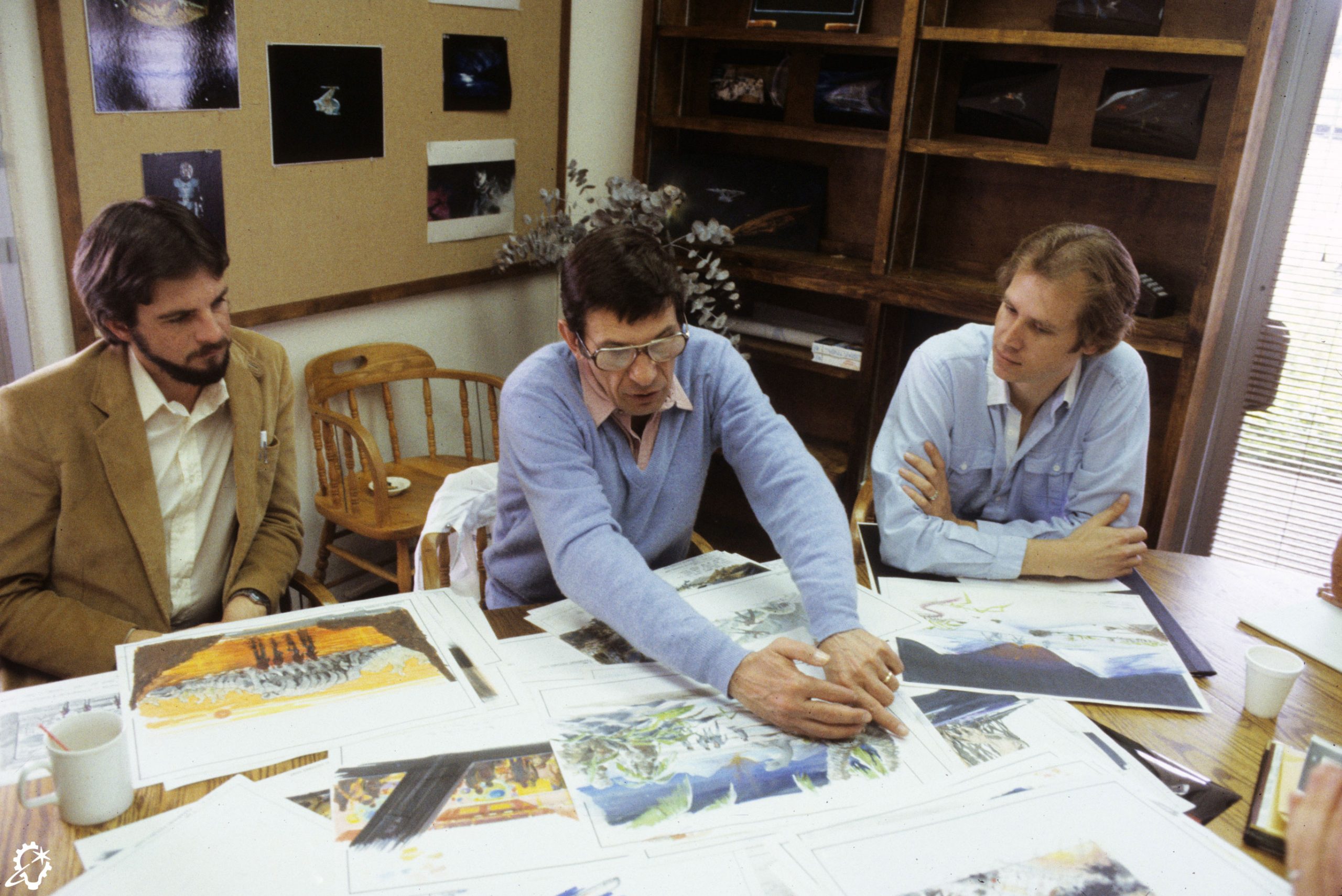
“It was exciting to get to know Leonard more and be connected with him,” says Ralston. “Early on, and this might’ve even been Leonard’s idea, we had these small versions of models of the new ships for discussion purposes, and Leonard came up to ILM. The Model Shop was at the ready. We started discussing what would work, and if there was a design he’d like to see a little differently, the Model Shop would alter it while we had our meeting. We solved so many design issues in one day. It was a cool way to work; a lot of creative energy was there. For Leonard, ILM had proven itself multiple times. People weren’t too nervous about going to ILM for what they needed for their films.
“We established a look on the second film,” Ralston continues, “and then I worked hard to get cool lighting on the new ships – the Excelsior and the interior of the Spacedock were big models – and make them appear dramatic. The Bird-of-Prey is one of my favorite designs. I’m glad its life went on and on [in later Star Trek films and series]. The Bird-of-Prey’s flight into Vulcan is an important part of the movie, and there’s a lot of weight to it. It had to have a certain gravitas to it. Those are some of my favorite shots in that movie. The matte department and everybody involved did a marvelous job.
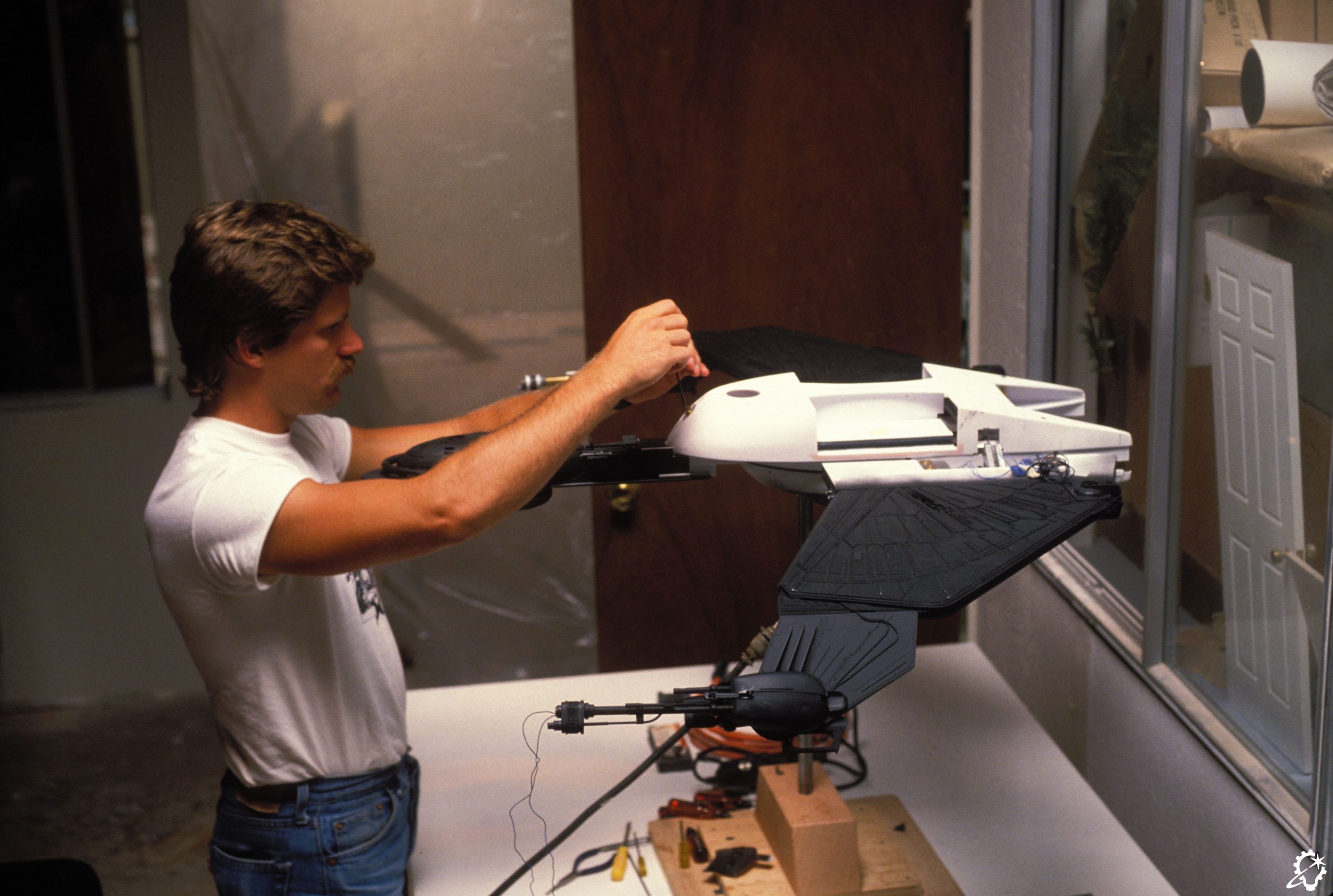
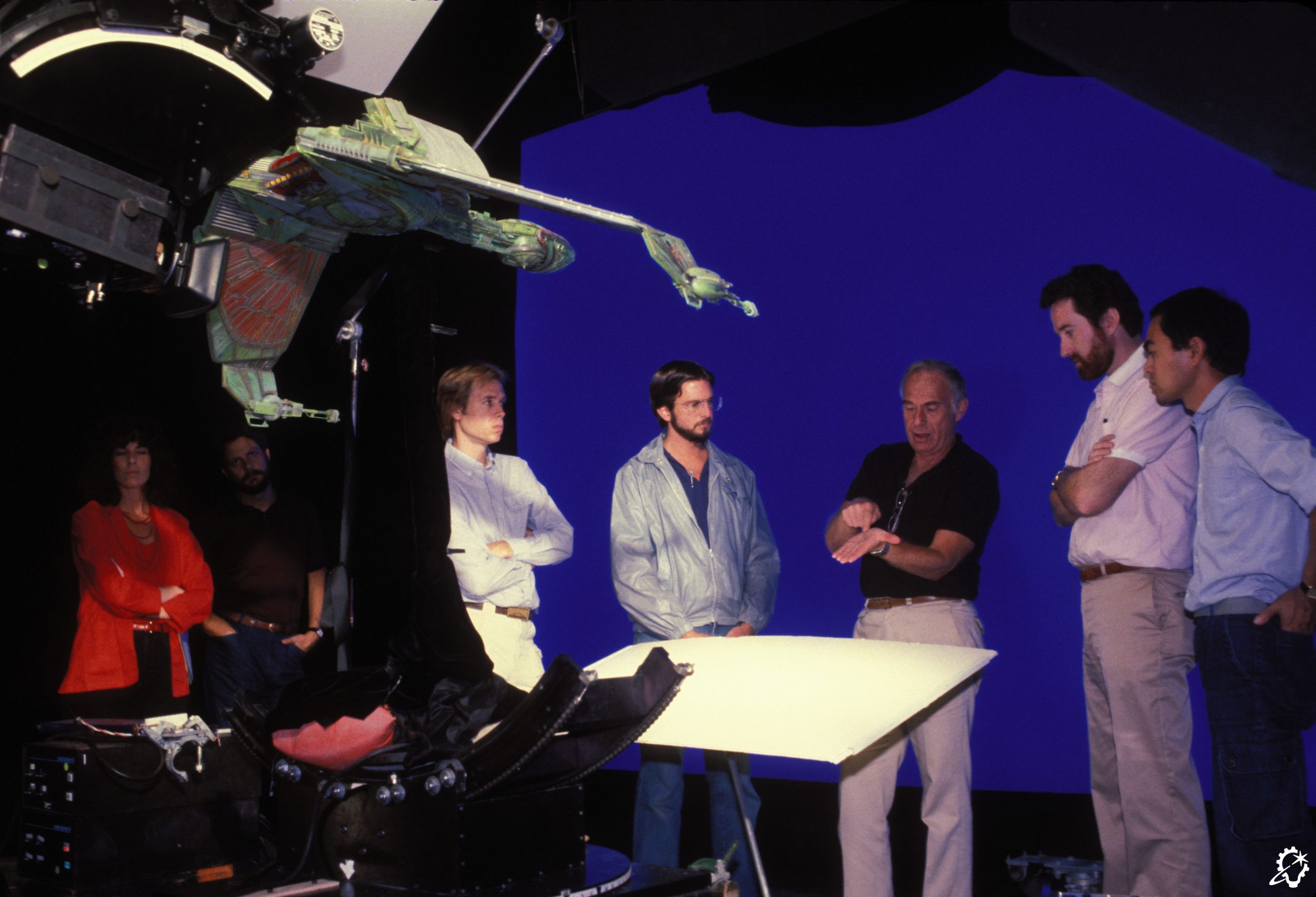
“For the Federation ships, we tried to give them a ‘handsome’ and classic look because they had to look important,” Ralston adds. “For the model of the space station, we took cues from what Doug Trumbull had done on the Enterprise in The Motion Picture. Doug had used different glossy paints and stencils so the backlight would break it up in little details that made you think they were small plates riveted onto the ship. That’s what I did on the top surface of the Spacedock, and we backlit in a way that gave it a certain amount of scale.”
In one of the film’s most startling sequences, Admiral Kirk activates the self-destruct device aboard the Enterprise, paving the way for ILM’s visual effects contributions to take center stage. “We tried to figure out ways to destroy the ship and give it the death scene it deserved,” Ralston begins. “For the close-up of where the ship’s famous lettering is melting away, they built a special section and, essentially, we had guys sitting above it who were dribbling toluene, benzene, or some other toxic material all over the surface. The burning of the hull was a trick I used on a couple of movies. I jammed steel wool into the ship and lit it with a match, and it burned in a little weird, interesting pattern traveling along the ship.
“For when the saucer finally blows up, we shot our motion-control shot of the ship moving towards us,” Ralston continues. “We duplicated a separate piece of the top of the Enterprise with pyrotechnics inside. Because the ship’s supposed to be so big, I put a light layer of talcum powder over that piece so that, when it blew up, it released this ultra-high fine dust. Boom! That gave it a better sense of scale.”
Of course, not every ILM visual effect was intended to be a giant spectacle. As Ralston mentions, the worm-like creatures that Commander Kruge (Christopher Lloyd) finds on the Genesis Planet, adding, “I designed and puppeteered the giant Genesis worms. Puppeteering on a set is nerve-racking as hell, and Chris Lloyd has a strong grip [laughs]. My hand was in that thing trying to move it around! But that scene isn’t actually about the worm; it’s about Kruge’s attitude. He’s so nonchalant about strangling it, and then he tosses it away and moves on. It’s a character piece for Kruge.”
ILM returned to Gene Roddenberry’s franchise once again for Star Trek IV: The Voyage Home (1986), which was also directed by Leonard Nimoy with Ken Ralston as production visual effects supervisor. While Thatcher left ILM to study computer animation at UCLA prior to Star Trek IV, he was recruited by Nimoy to be an associate producer on the project. He divulges, “Leonard wanted someone who knew special effects, and we hit it off. He was like the favorite uncle who understood me, and I respected him. Leonard had me focus on the technical side of special effects and the art department so he could tell the story. He wanted the movie to resonate, since it’s all about the Enterprise crew. I would go to meetings with the head of the studio, and it helped that Sid Ganis, who was running Paramount, had previously been the head of publicity at Lucasfilm. I’d befriended Sid there because I’d talk to everybody.”
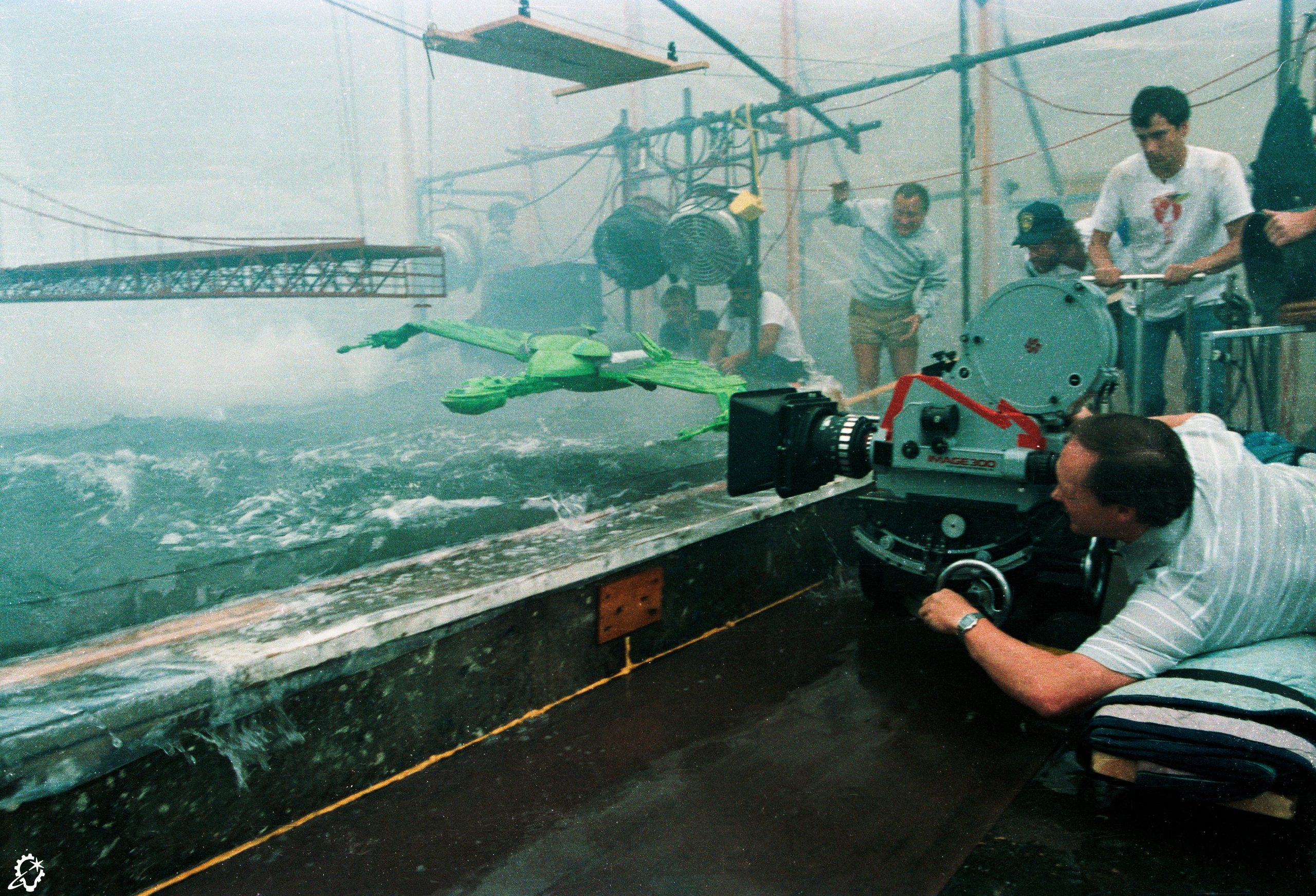
Thatcher’s ability to be both honest and affable earned him praise from executive producer Ralph Winter. “Ralph said I walked the edge of etiquette,” Thatcher jests. “I knew the ins and outs of ILM and who to talk to. Star Trek IV wasn’t an effects-heavy movie in that way. ILM’s Bird-of-Prey had already been built, and then there was the water work, the miniature whales, and the full-sized whale body bits. Walt Conti’s miniature whales still fool people into thinking they’re real to this day. They looked amazing,” Thatcher continues. “The shot of the miniature Bird-of-Prey crashing into the water under the Golden Gate Bridge was incredibly difficult, and they did something like 93 takes because we were working with water at scale. That’s where Ken stepped in and said, ‘Here’s how we do that.’”
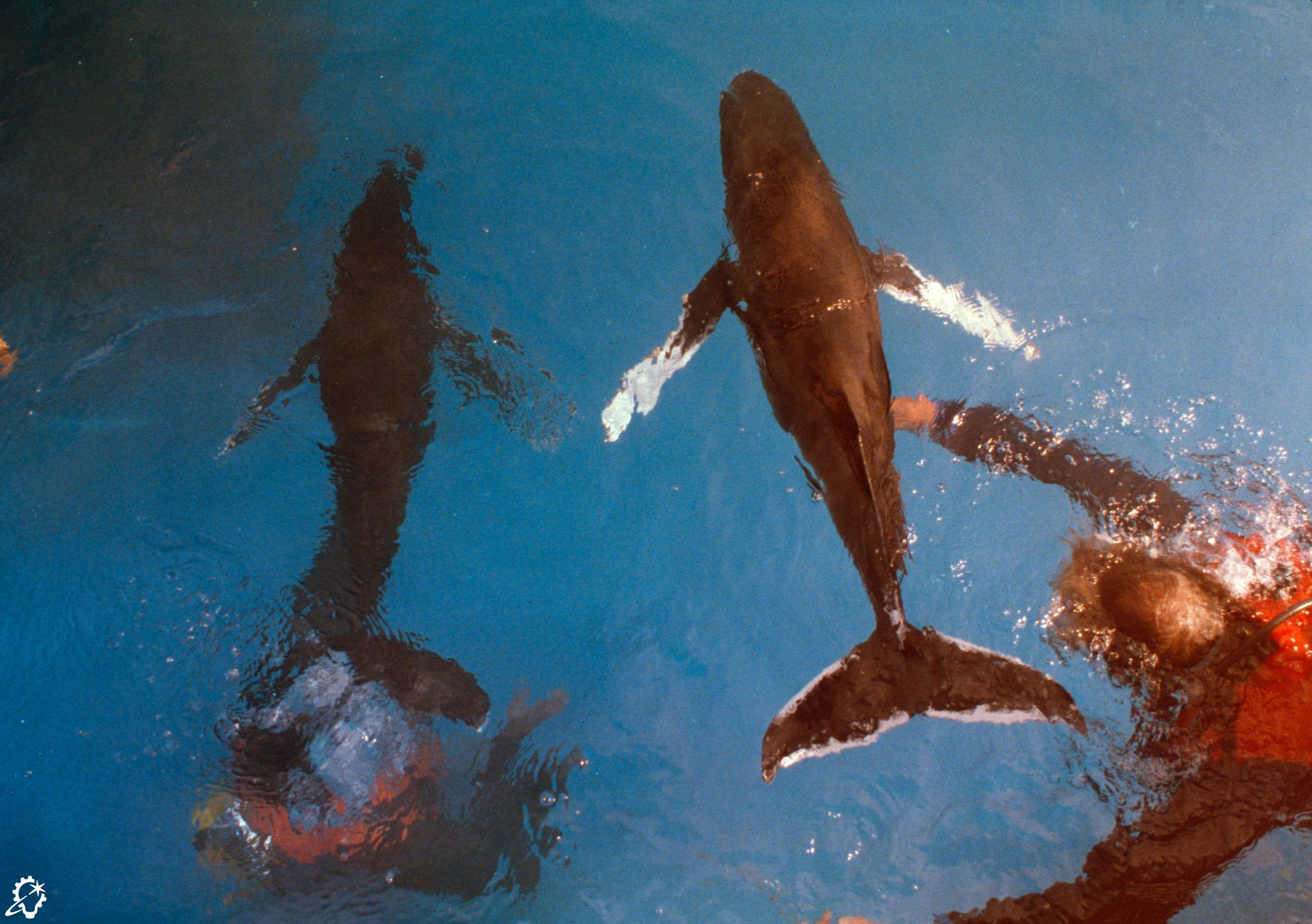
Ralston recollects a similar issue with shooting the whales in water, positing, “I wanted to reshoot some of Walt’s whales in a cloud tank instead of the big pool that was being used. In fact, it was the same cloud tank we used for the nebula stuff in Star Trek II, because I wanted more control over the lighting and to have a smaller area to do some of the medium and close-up shots of these whales. Then I could play with lighting tricks and give them more scale and drama, to have the light speckled over these supposedly giant whales, which were something like 3 feet long.”
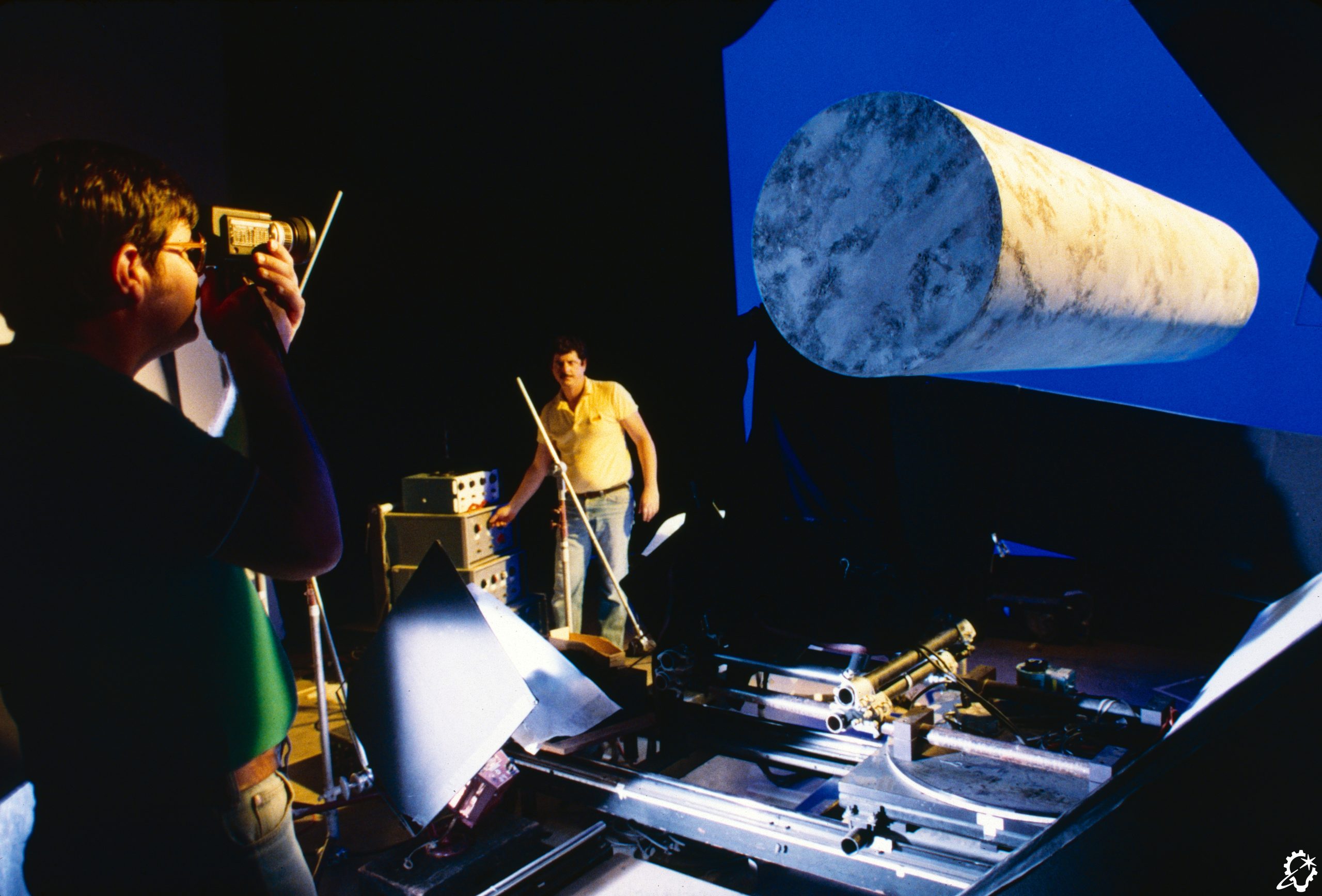
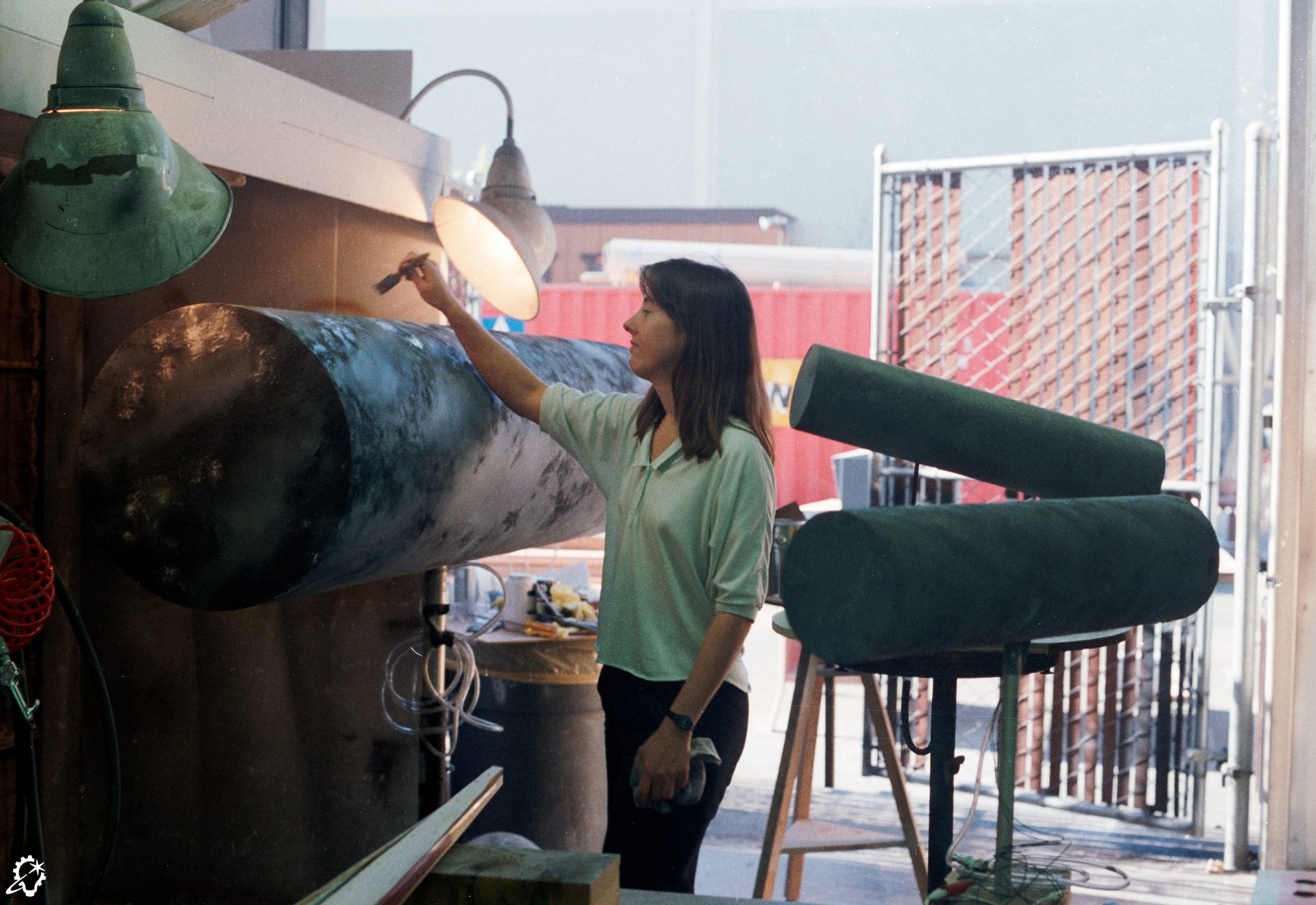
Thatcher reflects on Nimoy’s connection to ILM visual effects art director Nilo Rodis-Jamero, particularly in terms of Rodis-Jamero’s ideas for designing a mysterious probe sent to contact Earth’s whales and an early CG sequence which represented the Bird-of-Prey’s trip through time to the 20th century. “Leonard respected Nilo, and Nilo respected that Leonard would take wild swings,” Thatcher quips. “Nilo first showed us the probe. I can’t remember if it was a drawing or a cardboard tube painted black, but I remember Leonard being intrigued. It’s enigmatic and different, even for Star Trek. It was textured like an old ship’s hull, which was its touchstone, something that’s been flying around the universe for a million years. There is this Nilo-Leonard connection of ‘Let’s do something out of the box.’”
Referring to the time-traveling segment as the “dream sequence,” Thatcher remarks, “Nilo came up with a lot of that. Leonard was a poet, photographer, and actor, but he was not a tech head. So he wanted to personalize the dream sequence and not have the ship stretching – along with their faces, which Leonard said would look like a horror movie – to signify they were time traveling. Instead, what does it feel like in your head? It’s never directly stated, but you’re kind of seeing this in Kirk’s head. The idea was you were seeing this dream-like notion of traveling back in time that isn’t about the hardware; it’s about the human experience. You feel like you went through something, and that’s exactly what Leonard wanted.” Ralston then adds, “I actually ended up shooting elements for that, some reeds and water reflected down.”
“What’s great about ILM is you’re always inventing stuff,” Thatcher contends, “whether it was making glowing blood in Poltergeist [1982] or using computers to create this dream sequence in Star Trek IV. Radio-controlled whales under the water? That’d never been done before. That was part of the excitement of working at ILM.” Pondering ILM’s role in the Star Trek films, Ralston deduces, “ILM helped give the Star Trek films the voice that the directors wanted.”
ILM’s visual effects on Star Trek II, Star Trek III, and Star Trek IV already represented an astounding body of work, but the company’s contributions to the franchise were only just getting started. Stay tuned for Part 2 of our shared history of ILM and Star Trek, cataloging ILM’s involvement on projects that span from Star Trek: The Next Generation (1987) to Star Trek Into Darkness (2013).
To be continued… in Part 2, from Next Generation to Alternate Realities.
—
Jay Stobie (he/him) is a writer, author, and consultant who has contributed articles to ILM.com, Skysound.com, StarTrek.com, StarWars.com, Roddenberry.com, Star Wars Insider, Star Trek Explorer, and Star Trek Magazine. Jay loves sci-fi, fantasy, and film, and you can learn more about him by visiting JayStobie.com or finding him on Twitter, Instagram, and other social media platforms at @StobiesGalaxy. In memory of Midas.

Jay Stobie (he/him) is a writer, author, and consultant who has contributed articles to ILM.com, Skysound.com, StarTrek.com, StarWars.com, Roddenberry.com, Star Wars Insider, Star Trek Explorer, and Star Trek Magazine. Jay loves sci-fi, fantasy, and film, and you can learn more about him by visiting JayStobie.com or finding him on Twitter, Instagram, and other social media platforms at @StobiesGalaxy.