San Francisco News

50 Years | 500+ Film and TV credits | 135+ Awards

SINCE 1975

ILM artists share their insights about this distinct installation now on view at Somerset House in London.

By Jamie Benning

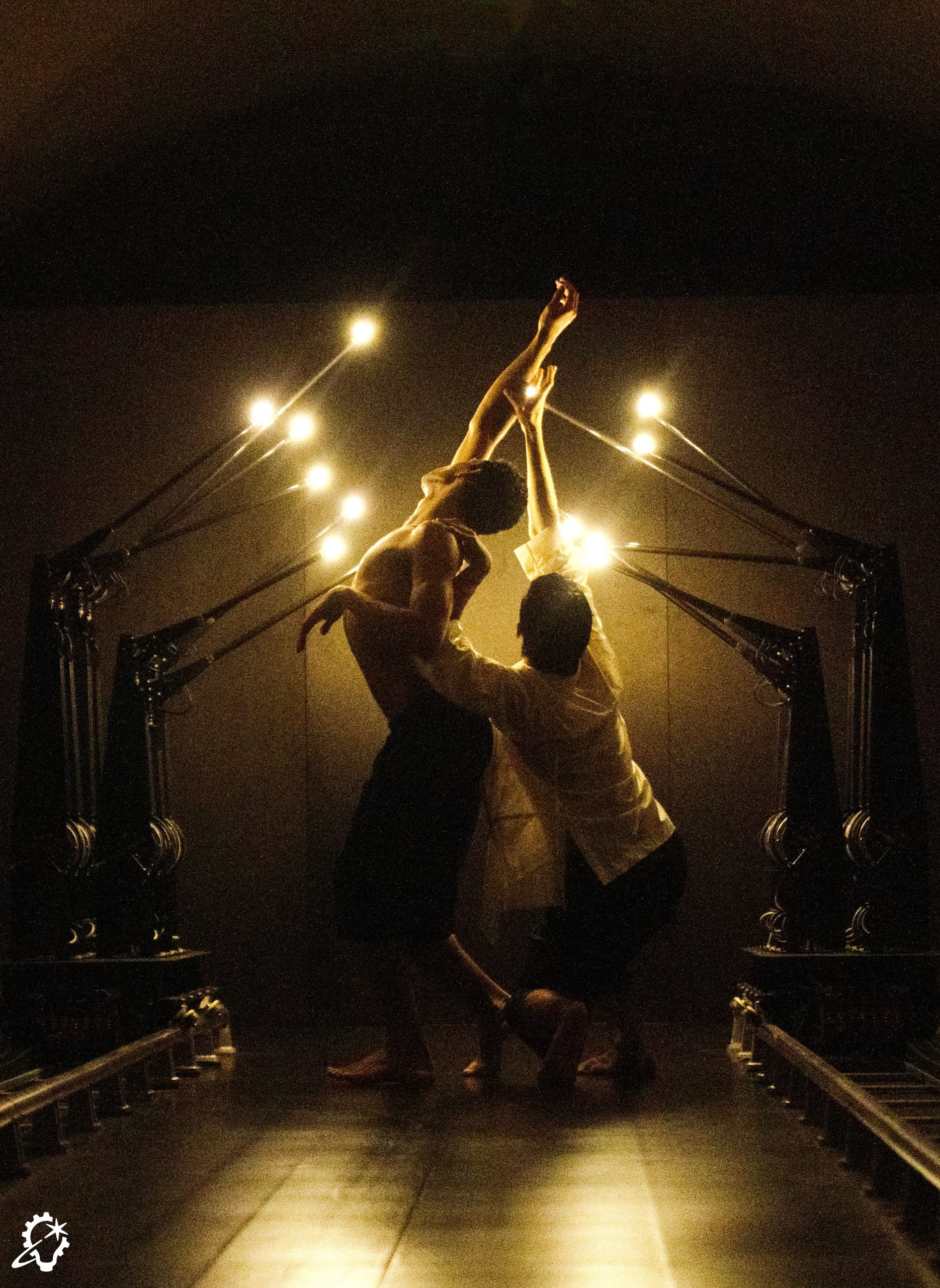
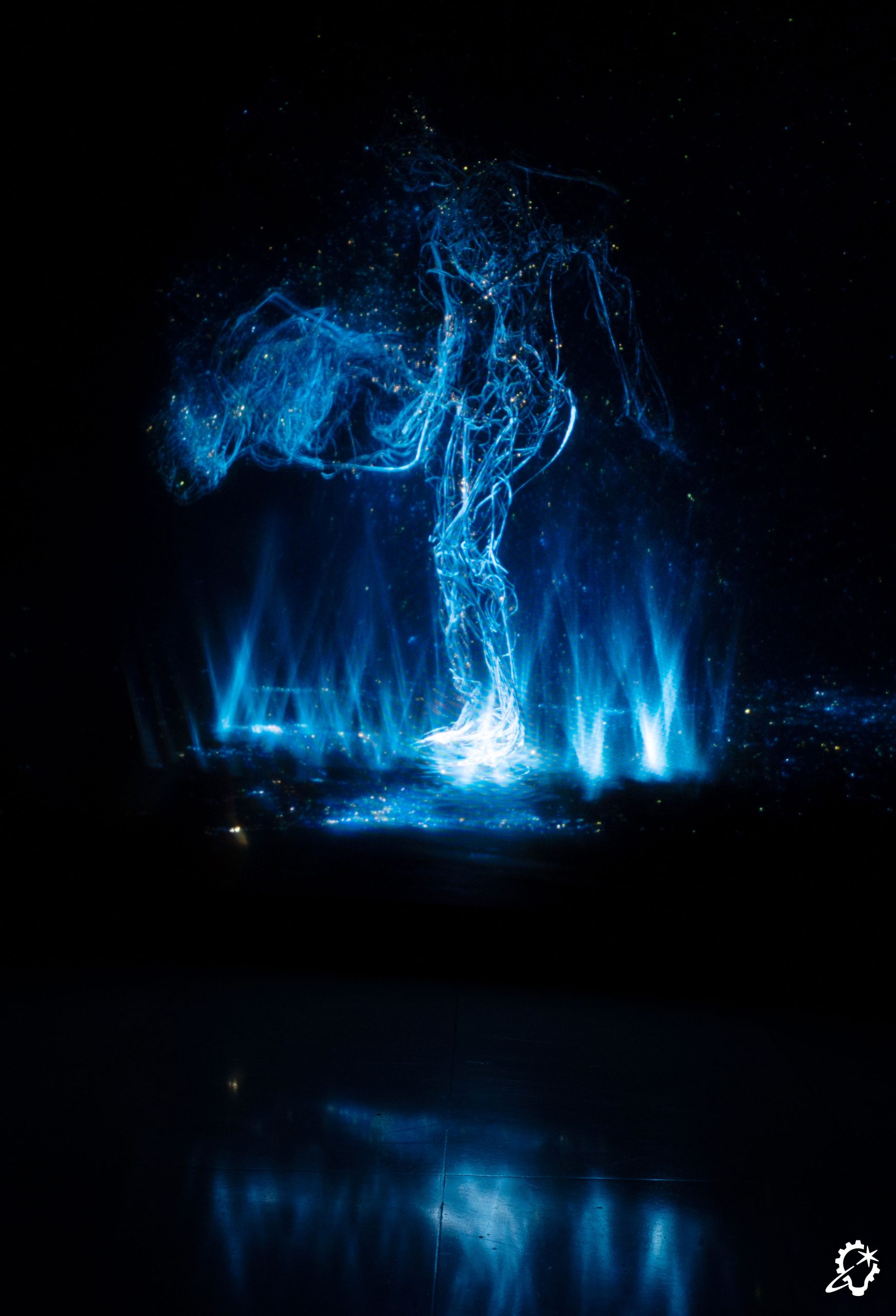
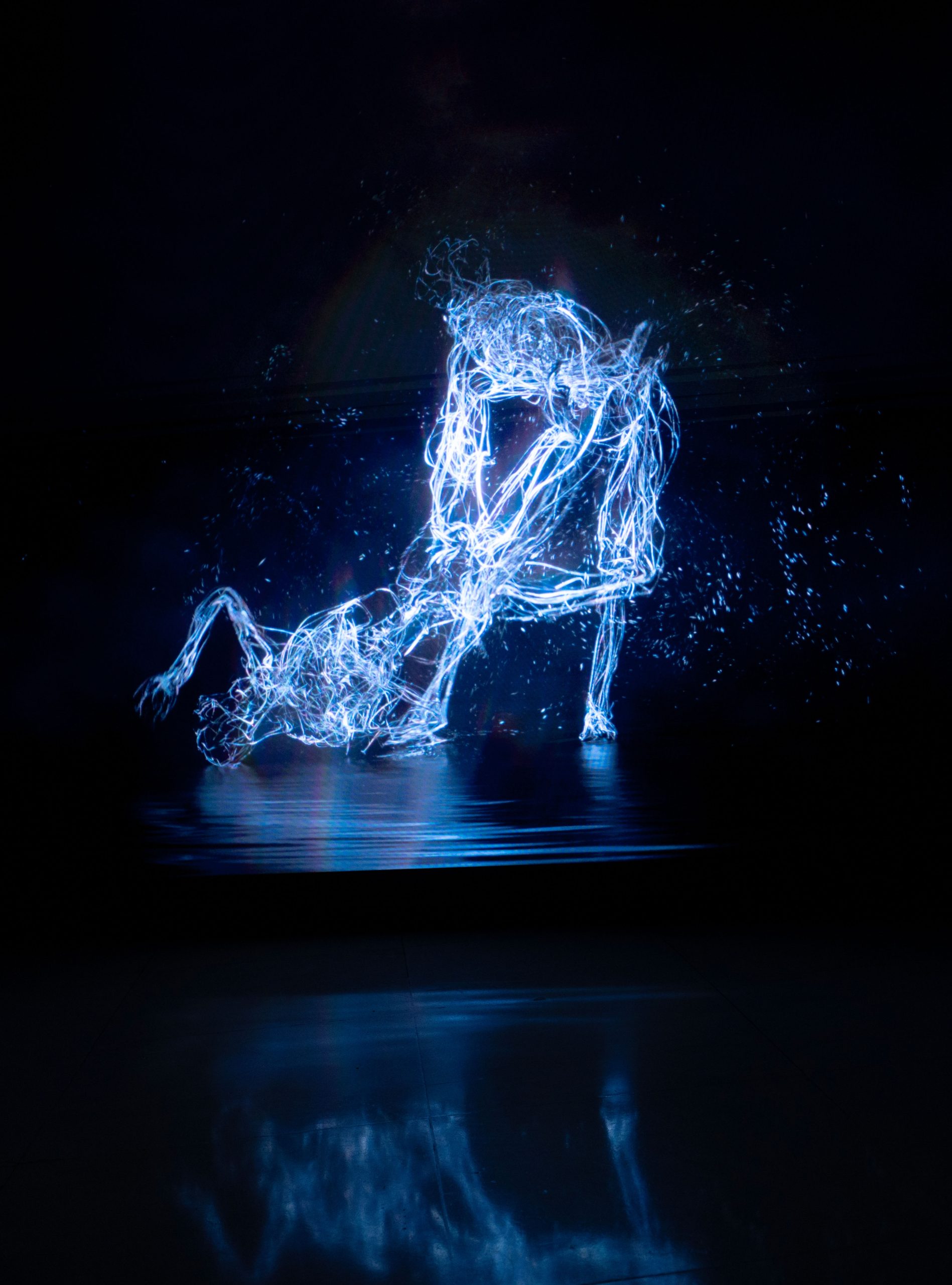
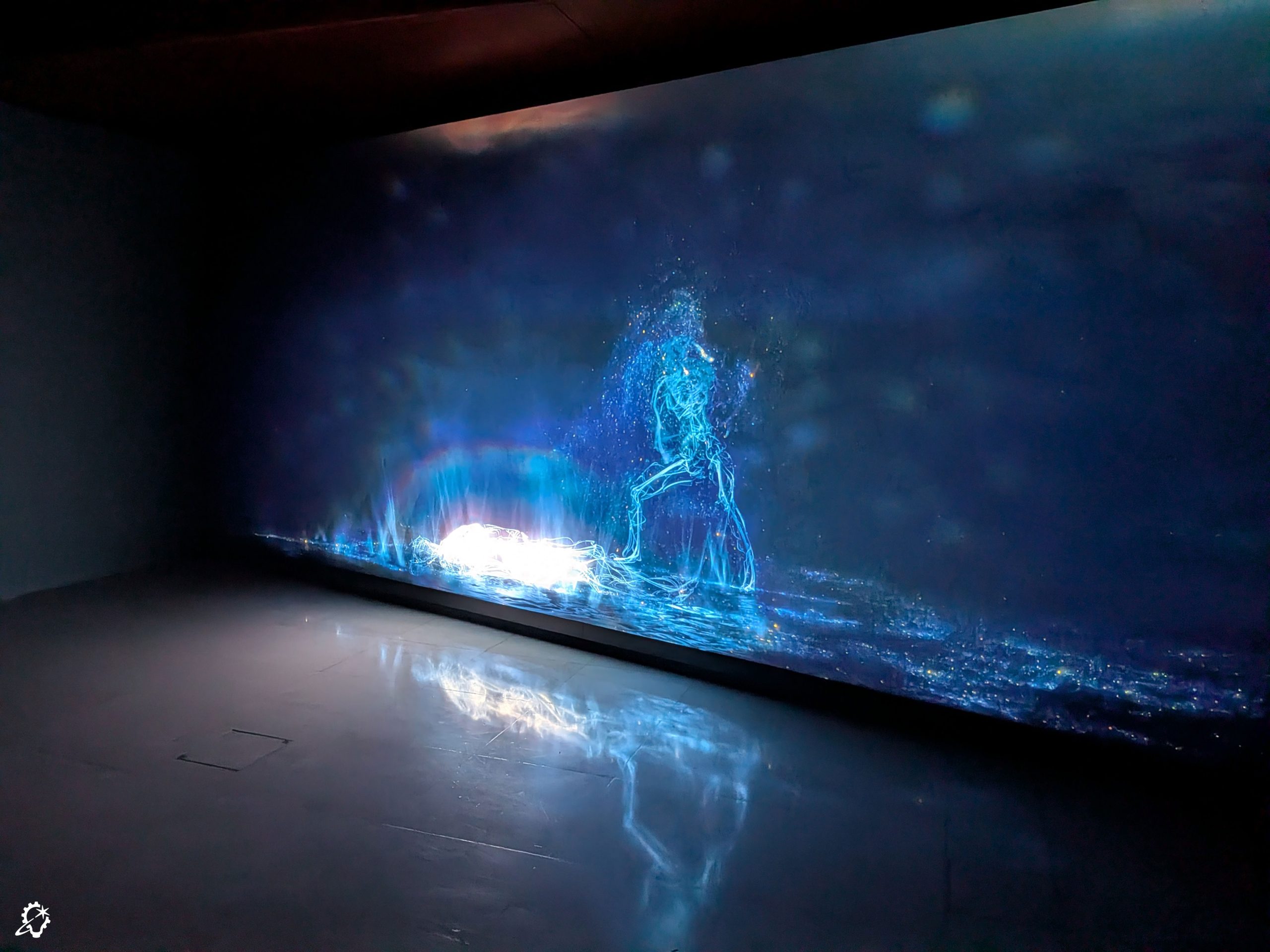
The first thing visitors encounter inside Wayne McGregor: Infinite Bodies at London’s Somerset House is darkness. A vast LED screen fills the room, its shifting light reflected across the faces of those watching. The space is quiet at first, then sound begins to breathe into the room. Two figures slowly emerge. Their bodies twist, merge, and reform, suspended in a deep digital expanse that feels both intimate and endless. It is OMNI, a collaboration between choreographer Wayne McGregor and Industrial Light & Magic, and it sets the emotional, thematic, and sensory tone for everything that follows.

As an entry point, OMNI does not explain itself in conventional terms. It does not offer narrative, character, or spectacle in a familiar cinematic sense. Instead, it presents presence. Motion without edges. Energy without beginning or end. Viewers gather instinctively. Some stand for seconds. Others for many minutes. The work opens and closes in cycles, dissolving into darkness before returning again, as if inhaling and exhaling. It is an installation that encourages stillness before it encourages movement.

Reuniting McGregor with the creative teams and technologists at ILM for the first time since their work together on ABBA Voyage in 2022, OMNI invites viewers into what McGregor calls “a choreographic exploration of the infinite potential of human connection.” Using ILM’s performance capture and simulation technologies, dancers Rebecca Bassett-Graham and Salvatore De Simone perform an unending duet of energies. Their movement is captured, transformed, and re-presented inside a boundless digital plane, a place where the distinction between human and virtual becomes beautifully uncertain.

You do not see the performers themselves, but ghost-like representations and shadows of their digital footprint. Luminous networks of the skeletal and nervous systems glow and decay in cycles of light. Around them, murmuration-like particles drift and swirl, sometimes responding to the dancers’ movements, and at other moments seeming to lead them, creating a shifting dialogue between motion and environment. Form appears, dissolves, reforms. It is at once biological and architectural, organic and synthetic.

The installation was created with ILM visual effects artists Matt Rank, Xavier Martin Ramirez, Edward Randolph, Arnaud Mavoka-Tama, Mike Long, Julien Ducoin, Oscar Dahlén, Alessandro Pieri, and Bimpe Alliu, with generous support from ROE Visual and Studio Wayne McGregor. Positioned deliberately as the first work visitors encounter, the piece anchors the exhibition and mirrors Somerset House’s broader mission to explore the intersection of art, technology, and society.
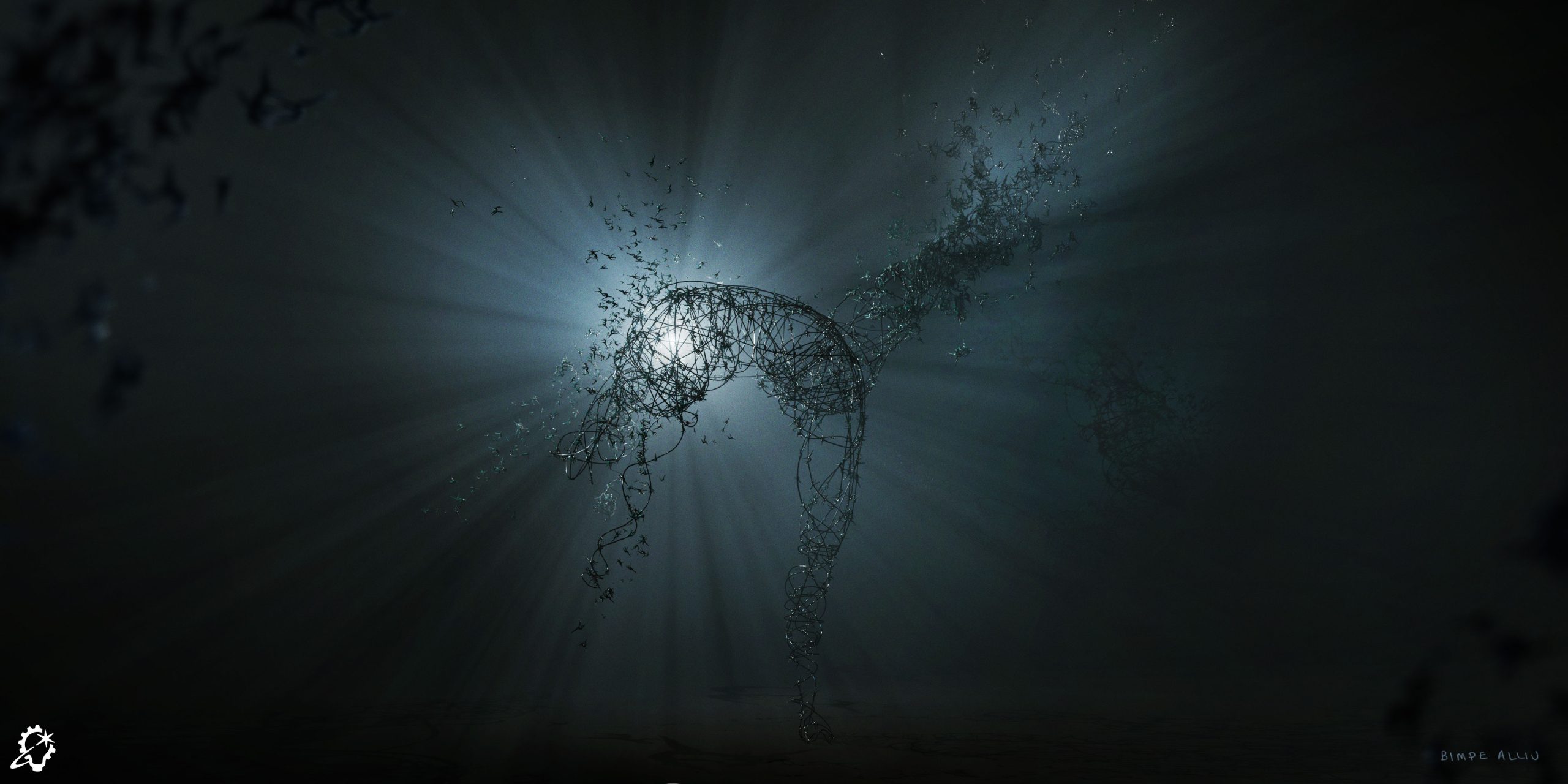
Concept art by Bimpe Alliu (Credit: ILM).

Conceptualizing Motion

Concept artist Bimpe Alliu was brought onto the project at a very early stage to help shape those initial visual directions. “I was going through the ideas with Matt [visual effects supervisor Matt Rank], and learning more about what the project was going to entail,” she said. “I was playing around with storyboarding a lot of potential movement ideas.”

Rather than beginning with dancers as recognizable figures, the creative team quickly gravitated toward abstraction. For Alliu, the use of murmurations became central to expressing motion without relying on literal anatomy. “It is a beautiful way of capturing movement while still existing as a solid form. There is all this motion and synergy happening at the same time,” she explained. “It also allows for a lot of natural push and pull, which is really exciting when you are thinking about animation.”

Her design process embraced freedom over prescription. “It is fun because it is nice to do something that is a little more abstract. It gets the brain thinking in different ways and allows you to deconstruct form and how to portray it,” she said. “You can tap into other references and use them in different ways. You might think, ‘I can approach this in a completely different way from how I usually would.’ You have a wider park to play within. There is no wrong idea. They are just ideas, and either they land, or they do not.”

Although OMNI was always destined for a monumental screen, Alliu said it was vital not to let format dictate imagination. “You start big, knowing it is going to be on a screen, but you do not let that stop you,” she said. “There was never a point where it felt like, because it is on the screen, you cannot do this or that. It was very much ‘blue sky’ thinking.”
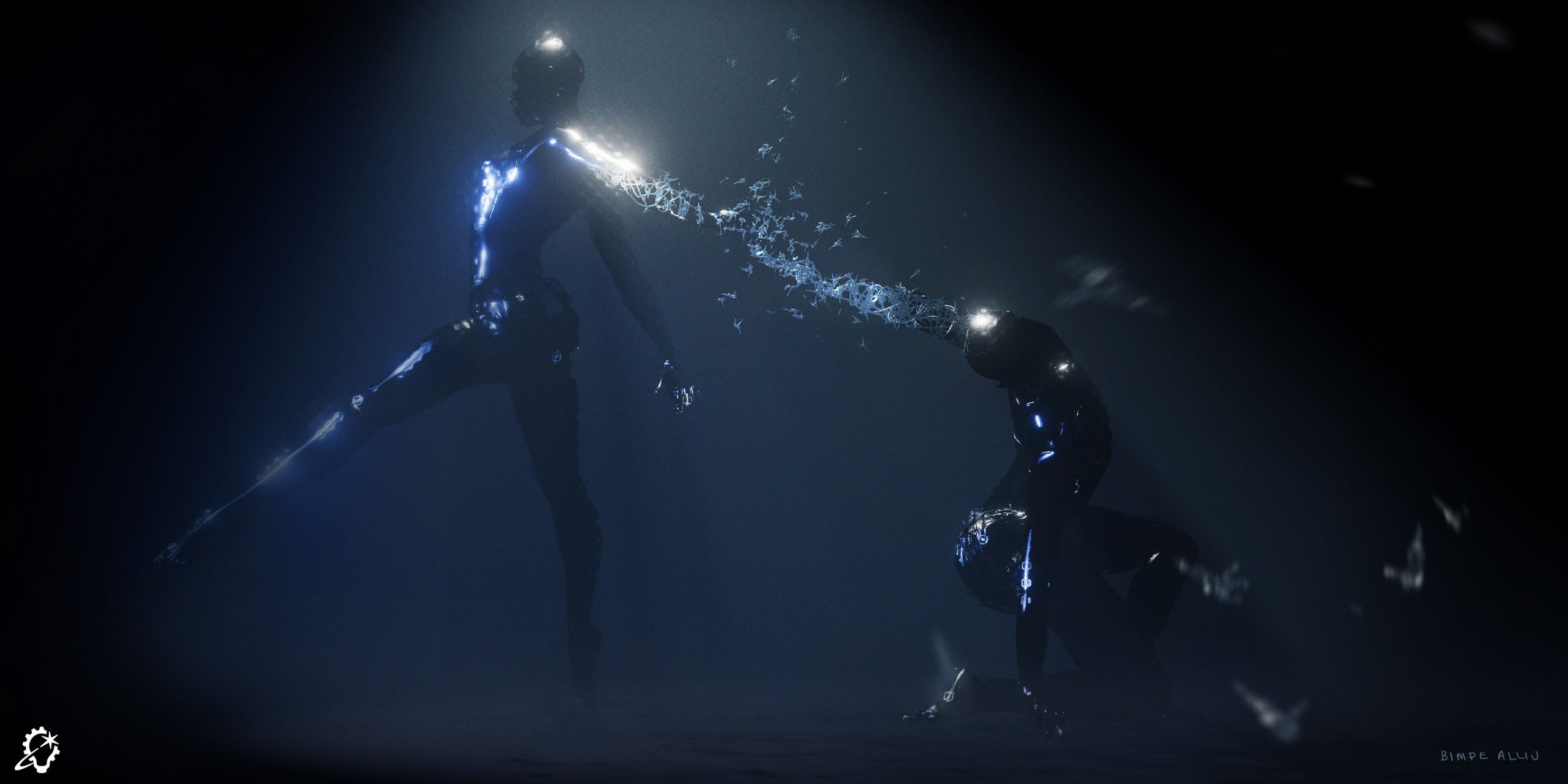
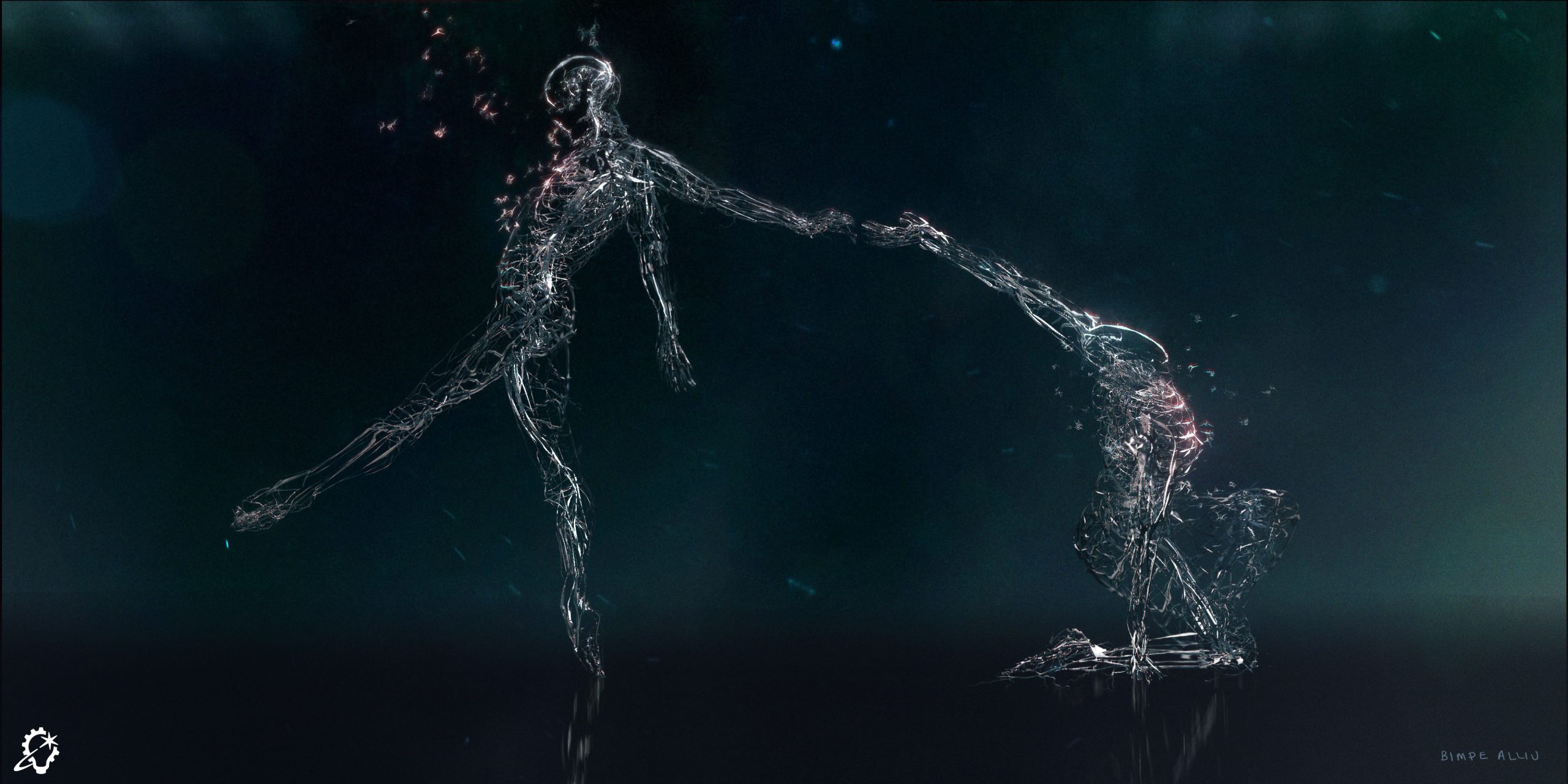
Concept art by Bimpe Alliu (Credit: ILM).

Somerset House and the Culture of Collaboration

Introducing the exhibition, Somerset House director Jonathan Reekie described Infinite Bodies as a perfect embodiment of the institution’s ethos. “Wayne McGregor and Infinite Bodies, in so many ways, encapsulates what Somerset House is all about. Most visibly, Somerset House has been about reimagining the historic building for the future. We developed a cultural program that sits between different art forms, the intersection of culture, technology, and society at large. We are conscious that we are in an ever-changing creative landscape, and therefore, artists are changing and working in different ways all the time. We need to create a space for that.”

Reekie also pointed to the importance of community in shaping new ideas. Somerset House is home to a creative community of nearly 3,000 artists, makers, and entrepreneurs, and collaboration sits at the core of its identity. “We don’t believe great ideas always come from an individual working on their own in a room. They come from community, from groups of people coming together and making great things,” he said. “That’s the way Wayne works.”

For McGregor, this collaborative model has defined his career. His studio, based in East London’s Olympic Park, has long operated as a laboratory for experimentation with scientists, technologists, and other artists. Infinite Bodies brings together more than three decades of his interdisciplinary works and investigations into the subtleties of movement, both human and non-human. Each work within the exhibition operates as an experiment, a proposition about the body’s potential and how technology might allow us to perceive it differently.

Dr. Cliff Lauson, director of exhibitions at Somerset House and co-curator of Infinite Bodies, recalled that McGregor’s polymathic approach was one of the defining reasons he wanted to collaborate. “It was several years ago, and that impulse that I felt about Wayne’s work, and what might make for an interesting exhibition at Somerset House, now has been so gratifying to see after so many years,” he said. “Interesting ideas come out during conversation and collaboration. It doesn’t help anybody to be working in silos.”
Physical Intelligence

When Wayne McGregor took the microphone at the exhibition launch, he spoke with warmth and generosity about the complex process of translating live choreographic practice into a gallery environment. “I want to say thank you to Somerset House and to Cliff and Jonathan and to all my team at Studio Wayne McGregor because it’s been a huge challenge,” he said. “I’m used to making. I’ve made something like 200 pieces at this stage. That’s been a huge passion for my kind of choreographic practice. But I’ve always had a parallel practice, and that parallel practice has been in research and testing ideas around the notion of physical thinking.”

At the heart of Infinite Bodies is McGregor’s long-standing interest in what he describes as physical intelligence. The exhibition invites visitors to reconsider their own physical awareness and their relationship to technology. “Technology is not outside of ourselves,” McGregor said. “The body is the most technologically advanced thing we’re looking at. I’ve not seen any form of technology that surpasses the living body, its ability to create, to respond, to be spontaneous, to feel.”

This tension between embodiment and computation, between instinct and algorithm, runs through OMNI in particular. It reframes dance through light and motion while still preserving the physical presence and emotional weight of performance.
From Film to Immersive Space

For ILM, OMNI provided a rare opportunity to apply cinematic tools to an environment that does not behave like cinema. “I’ve spent my career digitising the real world, real people, real environments, and turning that into assets that we can use in CG,” said Matt Rank, ILM’s visual effects supervisor on the project. “My role has taken me full circle. Now we’re taking computer graphic content and displaying it back in the real world.”

Rank’s work sits at the intersection between traditional visual effects, virtual production, and emerging immersive media. “What we found from ABBA Voyage and with Infinite Bodies is that shared experience, people coming together is what matters,” he said. “That’s where we’re pushing our content and technology, a shared, meditative experience that people can have together.”

Working with McGregor offered a fundamentally different creative starting point. “We’re used to working with studios and directors who have very specific briefs on where they want the creative to be led. Working with Wayne was a blank canvas. We spent a lot of time understanding what this piece should be, and maybe more time understanding what it shouldn’t be,” Rank said. “He didn’t necessarily want to see the form or the shape of his performers, but how their movement reflected through the body. That became the first aesthetic for the piece. From his feedback, we then started work with our own art department, bringing these ideas and concepts to life to present back to Wayne in more unique visual forms that would set the tone of the final piece.”

Rank described OMNI as “… an abstract piece, but it is quality, it feels photographic. Even though there’s real-world elements about it, it kind of sits within your psyche. It doesn’t make you feel uncomfortable either.” He also pointed to natural phenomena as key influences. “There is a nod to how birds flock and dance in the sky, and how plankton can emit light when it is disturbed by movement, and these carried through into the final piece, represented by the murmurations seen across the two looks.”
ILM Beyond the Frame

Reflecting on ILM’s wider creative mission, Rank said, “We’re all storytellers. We love collaborating with directors, but doing that in new forms and new mediums is incredibly exciting. Our world is becoming ever more interconnected, and we’re keen to explore what we can do in those spaces. With a smaller team, you can be really agile and get to results faster.”

For Alliu, projects like OMNI underline the breadth of what ILM represents today. “It showcases to people that want to work with companies like ILM that there are so many different kinds of projects we create,” she said. “People do not just think of ILM as one kind of thing anymore. They start to see that there is a much broader range of work.”


Seeing the completed exhibition in sequence gave Alliu a new perspective on how OMNI functions within the wider narrative of Infinite Bodies. “Coming straight out of seeing the work that we did and then going into everything else, it suddenly felt like being grounded back in the physical space again,” she said. “It was really nice seeing all the different interpretations of movement and communication, the role digital plays in that, and the fact that it still very much needs the physical. It still very much needs the body, the person, and the movement.”


She also sees that visibility as vital to the industry’s future. “It gives people the understanding and the option to think, ‘This is something I could do,’ and they start to think about careers in this space,” she said. “We still need that human input. You still need that eye, that instinct, and that creativity behind it all.

“Art and science have always co-existed on many levels, and technology is also a part of that, especially as a lens by which we’re able to understand, explore and conceptualise both,” Alliu added. 


As Reekie observed, Somerset House’s role is to provide artists with the space to imagine new futures. “It’s up to the artists to tell us what the future might look like because they’re the best people to help us navigate it,” he said.

Infinite Bodies offers one such vision. A space where choreography, light, and digital craft meet. A reminder that innovation is not just about machines, but about the bodies, instincts, and creative impulses that continue to drive them. ILM continues to explore how those instincts and tools translate beyond film and into shared physical spaces.

Concept art by Bimpe Alliu (Credit: ILM).

Jamie Benning is a filmmaker, author, and podcaster with a lifelong passion for sci-fi and fantasy cinema. He hosts The Filmumentaries Podcast, featuring twice-monthly interviews with behind-the-scenes artists. Visit Filmumentaries.com or find him on X (@jamieswb) and @filmumentaries on Threads, Instagram, Facebook, and YouTube.
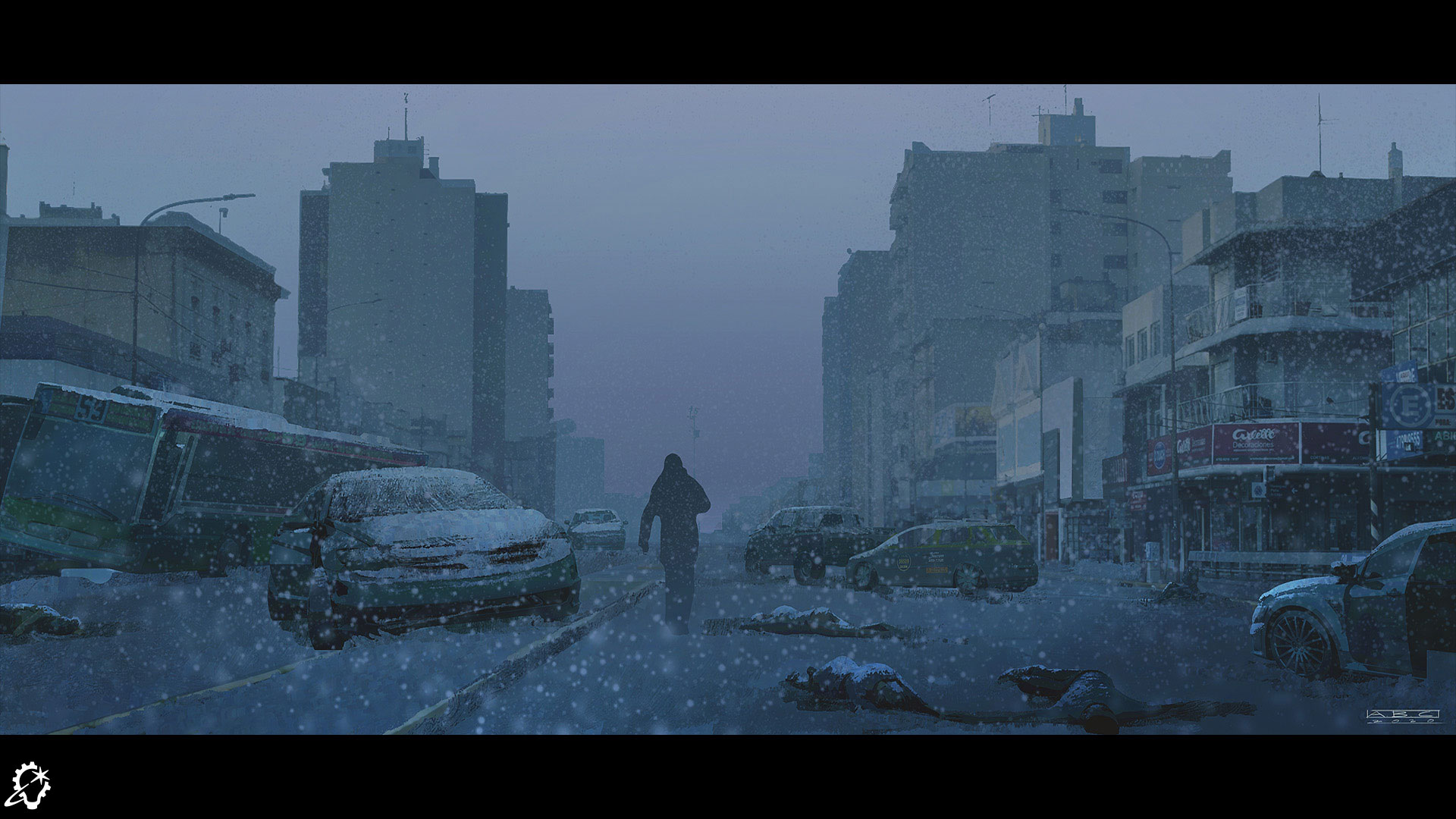
ILM.com is showcasing artwork specially chosen by members of the ILM Art Department. In this installment of a continuing series, four artists from the San Francisco, Vancouver, and London studios share insights about their work on the 2025 Netflix production, The Eternaut.

Supervising Art Director Fred Palacio

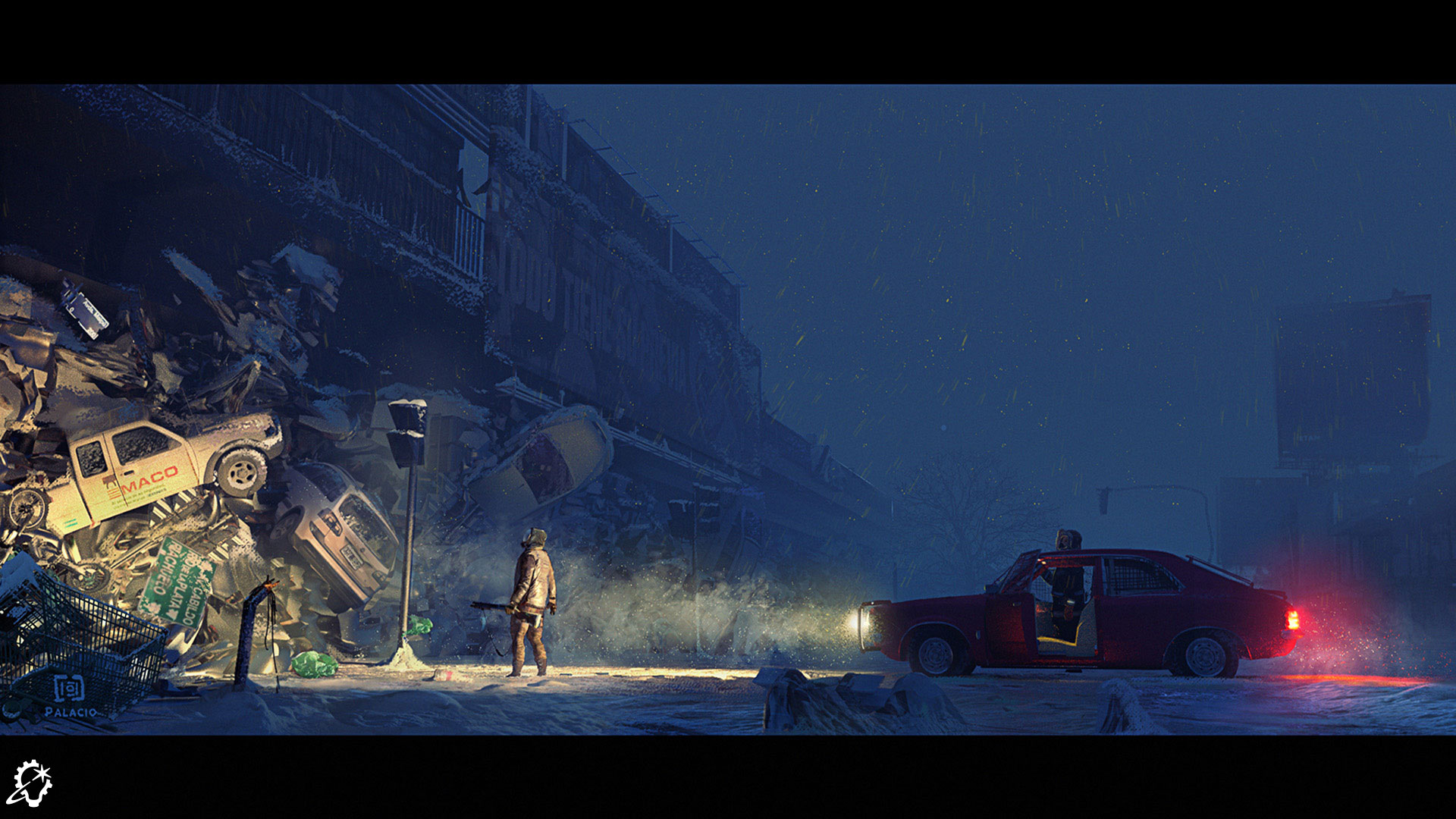
During pre-production, one of the key ideas here was to show how the characters were trapped in the city, isolated from the external world. The snow here is the first lethal weapon that killed most of the population, but something else is happening. A barricade along the Puente Saavedra shows that something else is happening, something more extraordinary. This keyframe shows the character isolated against all the odds, the snow, the loneliness, the urban chaos. 

One of the most important things working on the project was to have the vision of the people who live there when this is happening. The Client and the novelist were from Argentina where the film is played. So the first step for authenticity was to become immersed in the Argentinian world. Diving into memories of the city I visited and merging with an exact location, walking through street views online. Finally, translating the situation into a frame, one by isolating the character, but also using the bridge to undermine his power, the point of view and camera position is determinant to sell the situation of the character. 

The resilience to overcome the giant wall made of all sorts of human-made things to suggest the Alien presence, even the sign in the bridge is a message to the viewer translating “everything has a prelude.” The element here needs to reflect how an ordinary man in an ordinary world resists all the extraordinary events and obstacles. The green bag means a forward action, the red light tells not to go back, the perspective of the bridge points back to the car and another figure hinting to cohesion…all these elements tell something about the story but also about the character’s attitude toward those obstacles.

Art Director Amy Beth Christenson

This is an early study for a specific neighborhood in Buenos Aires, just after the snowfall, where Juan is discovering the aftermath. I worked to position cars and people so that it conveyed a sense that what happened was sudden and unexpected. I researched the original comic quite a bit, and also did a lot of research to make sure that the specific neighborhood was accurate so that it felt very real.

I like the sense of a rosy pre-dawn, almost peacefulness to the scene, which is a contrast to what has happened. Looking at the day-to-day life images of people, and thinking about what it would look like if they were taken mid-stride, gave me ideas, like a woman walking her dog, people carrying groceries, etc., which helped the images feel more eerie.

I was on the project just for the very early initial concepts, specific to the immediate aftermath of the snowfall, and what those moments might look and feel like, and didn’t iterate beyond these. At these early stages, I wanted to get ideas for lighting and composition down early, and worry about details later.

Art Director Tyler Scarlet

This piece depicts alien creatures that are about two feet tall and who can work in a pack. The client really liked the look of microscopic dust mites, so I used that as a starting point and expanded from there. They responded to different elements from my first round, so I worked on combining the hard-shelled version with one that looked similar to a dust mite. The next step was to show it in action. I explored concepts of it attacking people, wrapping bodies in its web, and dragging them away. They are also scavengers so I did an illustration showing that as well. 

For the first pass I wanted to give the client a range of different types of creatures while still fitting the brief of a six-limbed dust mite-like creature. One version was very close to a realistic, large dust mite, another version had a hard shell, jointed legs and claws at the end of its limbs to grip onto its prey, and the third version was more aerodynamic and looked like it was built to move fast. I like how it looks when it’s coiling its web around its victim! [laughs]

This client was one of my favorites I have worked with. They came to every meeting with such excitement, passion, and appreciation. 

See the complete gallery of concept art from The Eternaut here on ILM.com.

Learn more about the ILM Art Department.

Frankenstein and The Lost Bus are recognized while ILM also contributes to two other nominated films.

The BAFTA Film Awards announced their 2026 nominees today, and artists from Industrial Light & Magic have earned two nominations in Outstanding Visual Effects for their work on Frankenstein and The Lost Bus.

ILM visual effects supervisor Ivan Busquets joins fellow visual effects supervisors Dennis Berardi and Ayo Burgess and model effects supervisor José Granell for director Guillermo del Toro’s Frankenstein.

And for The Lost Bus from director Paul Greengrass, ILM visual effects supervisor David Zaretti joins production visual effects supervisor Charlie Noble and special effects coordinator Brandon K. McLaughlin.

Additionally, ILM contributed to other Outstanding Visual Effects nominees Avatar: Fire and Ash and F1.

Congratulations to our ILM nominees! The 2026 BAFTA Film Awards will be held on February 22 in London. Read the full list of nominations here.

Read more about The Lost Bus here on ILM.com:

Rendering a Rescue: ILM’s Dave Zaretti on the Visual Effects of ‘The Lost Bus’

ILM artists for Jurassic World Rebirth and The Lost Bus earn nominations.

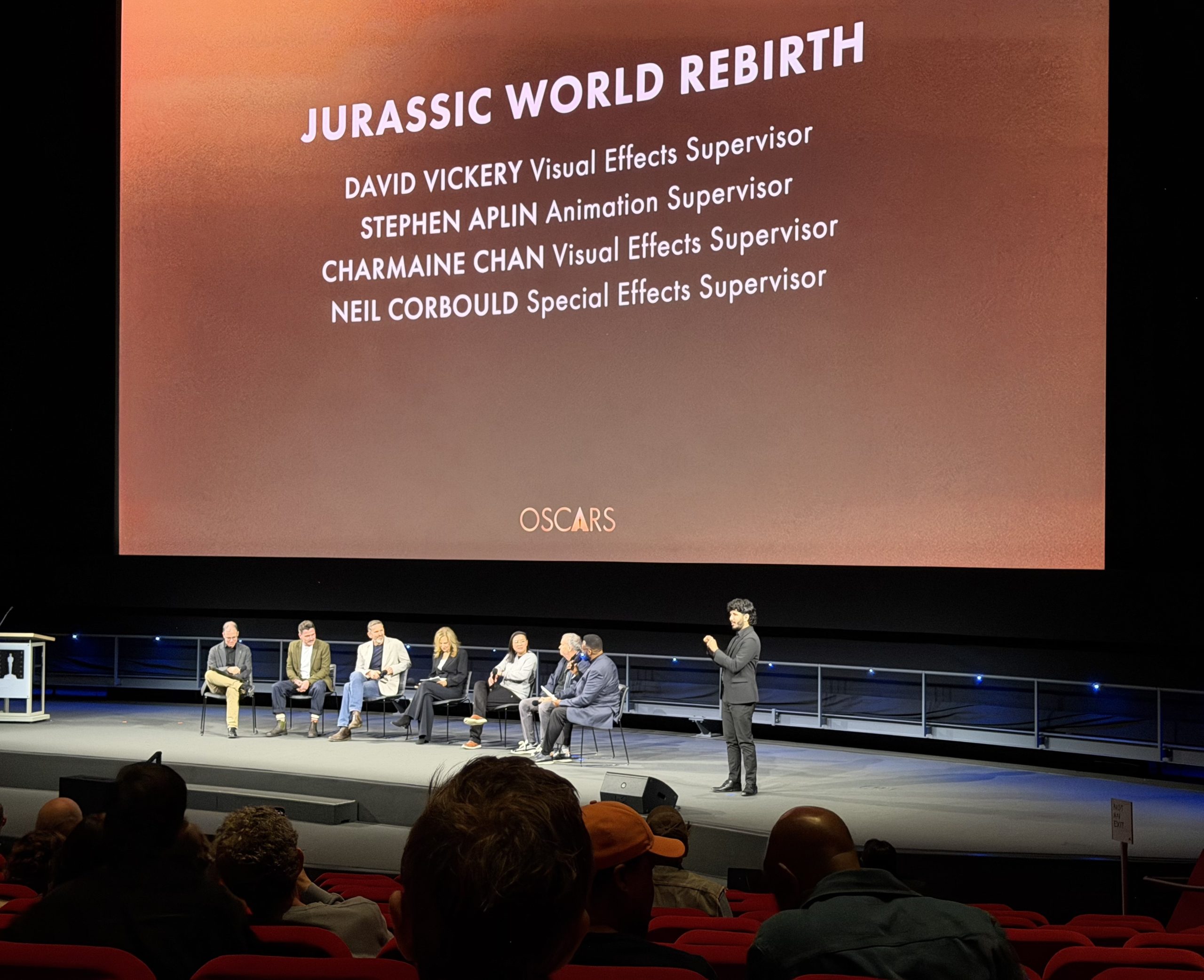
Nominations for the 98th Oscars were announced today in Los Angeles, and Industrial Light & Magic contributed to all five nominees in the Best Visual Effects category: Avatar: Fire and Ash, F1, Jurassic World Rebirth, The Lost Bus, and Sinners.

Artists from Industrial Light & Magic earned two nominations in the category.

For Jurassic World Rebirth, our ILM nominees include production visual effects supervisor David Vickery, animation supervisor Stephen Aplin, and ILM visual effects supervisor Charmaine Chan, along with special effects supervisor Neil Corbould.

“Still wrapping my head around the Oscar nomination for visual effects on Jurassic World Rebirth,” Vickery tells ILM.com. “I’m immensely proud of the work. Thank you to everyone who voted for us, but above all – well done to everyone who poured their hearts, souls, and creativity into this special project. You all deserve this!!!”

Aplin adds that “this nomination is such a fantastic reflection on the hard work and dedication the entire ILM team has contributed to the visual effects of Jurassic World Rebirth. Personally, my passion for this craft was jump-started after watching the original Jurassic Park when it first came out in theaters, so getting to play in that world and receive such a fabulous honor is a dream come true. Thank you, and congratulations to all nominated in this category.”

“To be nominated for our visual effects on Jurassic World Rebirth is an absolute honor,” says Chan. “Like so many in this industry, the original Jurassic Park was the film that made me believe the impossible is possible. That motto rang true across our global ILM teams as they passionately created stunning imagery to bring Gareth Edwards’ vision to life. ​I am incredibly proud of what we accomplished together and thank the Academy for this recognition.”

The Jurassic World Rebirth nominees at the recent visual effects bake-off event in Los Angeles (Credit: ILM).

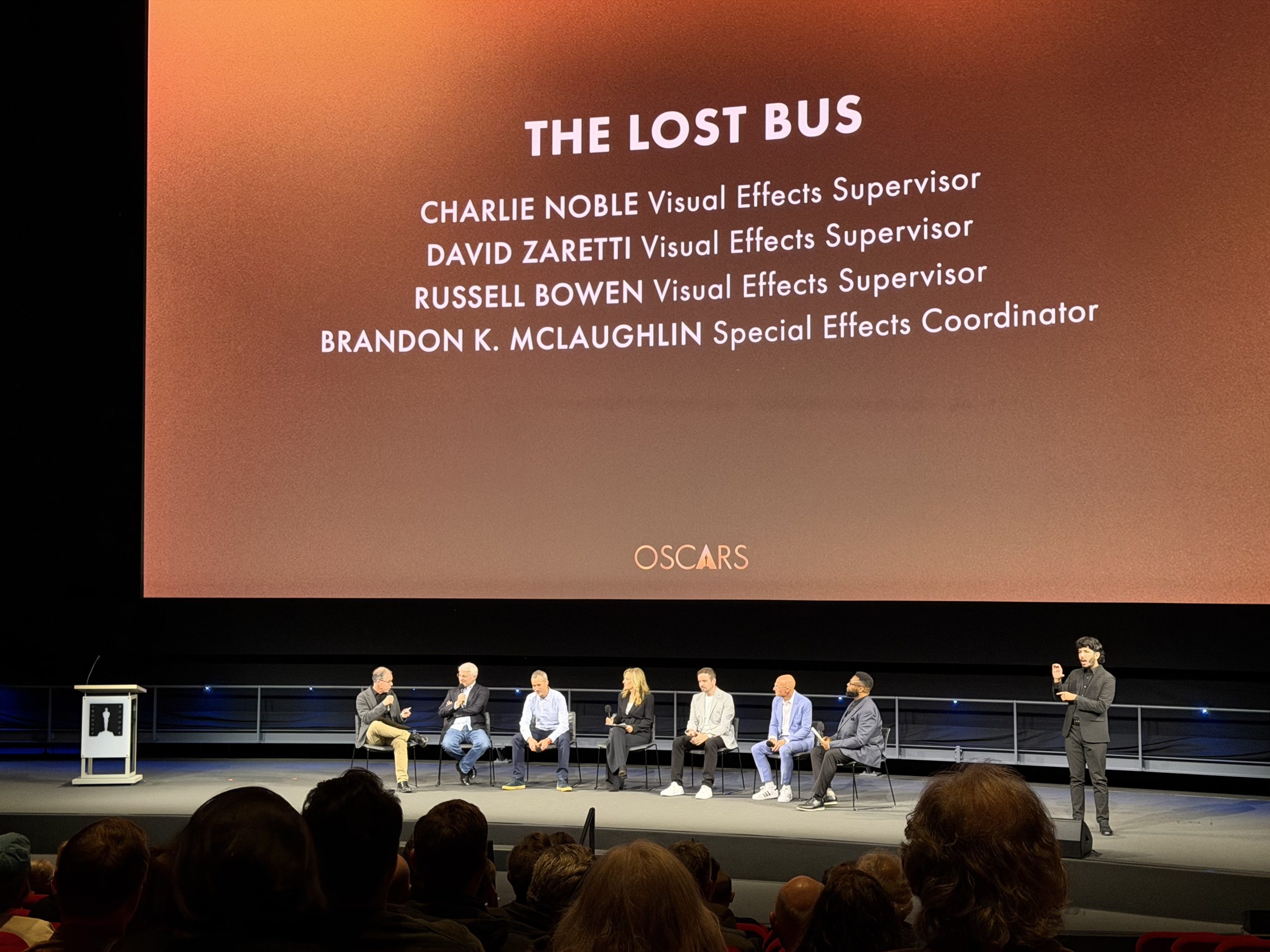
For The Lost Bus, ILM visual effects supervisor David Zaretti has been nominated along with production visual effects supervisor Charlie Noble, beloFX visual effects supervisor Russell Bowen, and special effects coordinator Brandon K. McLaughlin.

“Wow! What an honor to be recognised by the Academy for the work we did retelling the story of Paradise,” Zaretti tells ILM.com. “I’m so proud of the whole team for their hard work and creativity. It was a great experience to work with Paul Greengrass, helping him do what he does best. Given the quality of the visual effects across the board this year, it feels extra special to make it this far.”

The Lost Bus nominees at the recent visual effects bake-off event in Los Angeles (Credit: ILM).

Congratulations to all of our ILM teams for their work on this year’s nominated films, and best of luck to our ILM nominees!

Read more about Jurassic World Rebirth and The Lost Bus here on ILM.com:

“What Do We Have To Do To Make it an 11 out of 10?”: Visual Effects Supervisor David Vickery on ‘Jurassic World Rebirth’

Rendering a Rescue: ILM’s Dave Zaretti on the Visual Effects of ‘The Lost Bus’


Cutting-edge digital artistry, modern inspiration, and retro callbacks help launch the latest Tron adventure from the cyber world into reality.

By Clayton Sandell

Light Cycles, Super Recognizers, and Programs roar off the Grid and into the real world for the first time in Tron: Ares (2025), a four-decades-in-the-making moment that challenged Industrial Light & Magic to deploy a full creative arsenal to make the impossible real.

ILM’s David Seager served as the production visual effects supervisor for the third entry in a franchise that began with the original 1982 film Tron and continued with 2010’s Tron: Legacy. The first Tron movie follows the adventures of software engineer Kevin Flynn (Jeff Bridges), who is trapped inside a neon digital realm where computer programs appear as human avatars.

Then-nine-year-old Seager became an instant Tron devotee. “I was very excited when this opportunity came along, so I definitely jumped at it,” he tells ILM.com. “Tron, for me, was right up there with the Star Wars franchise and many of those types of films.”

Directed by Joachim Rønning, Tron: Ares stars Jared Leto as the titular hero, a sophisticated Master Control Program reporting to Dillinger Systems executive Julian Dillinger (Evan Peters). Ares is billed as the ultimate soldier and the first artificial intelligence being – or construct – to appear in the real world. But outside of the Grid, Ares can only live for 29 minutes, sending Dillinger and rival company ENCOM on a quest to find Flynn’s long-lost Permanence Code that will extend a construct’s lifespan. When ENCOM CEO Eve Kim (Greta Lee) discovers the code first, Dillinger dispatches Ares and his second-in-command, Athena (Jodie Turner-Smith), to track her down and steal it.

Inspired by Modern Tech

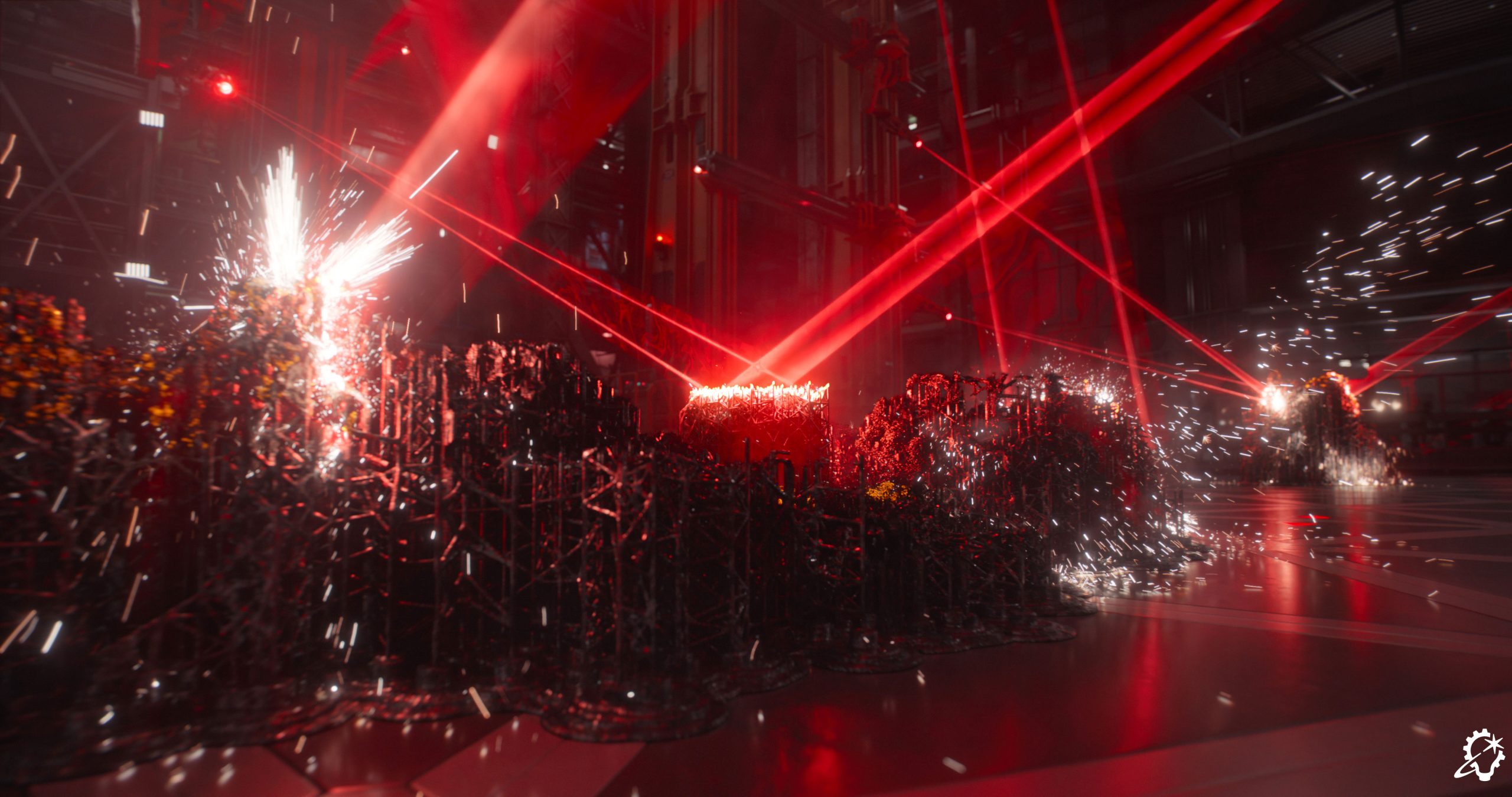
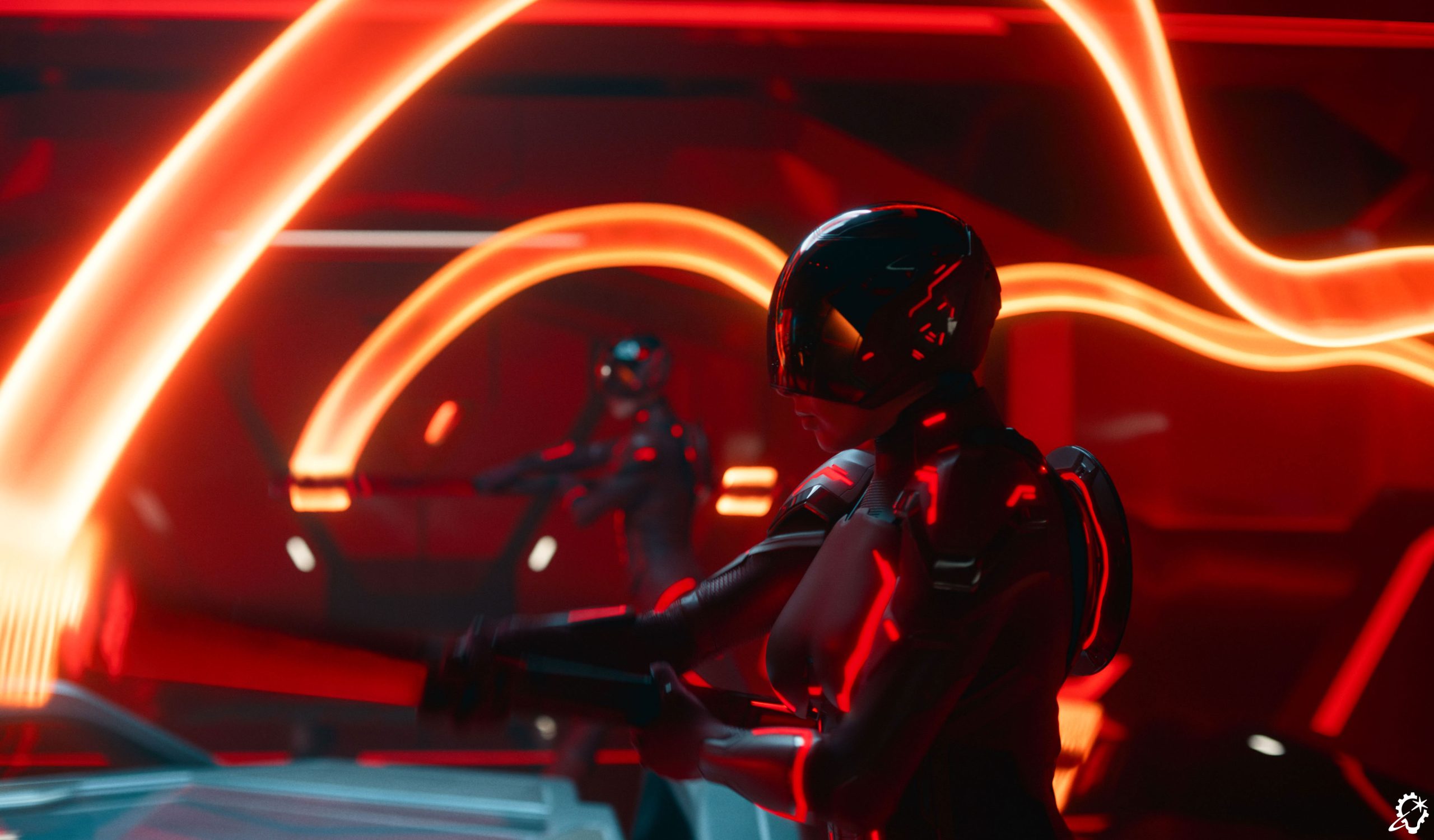
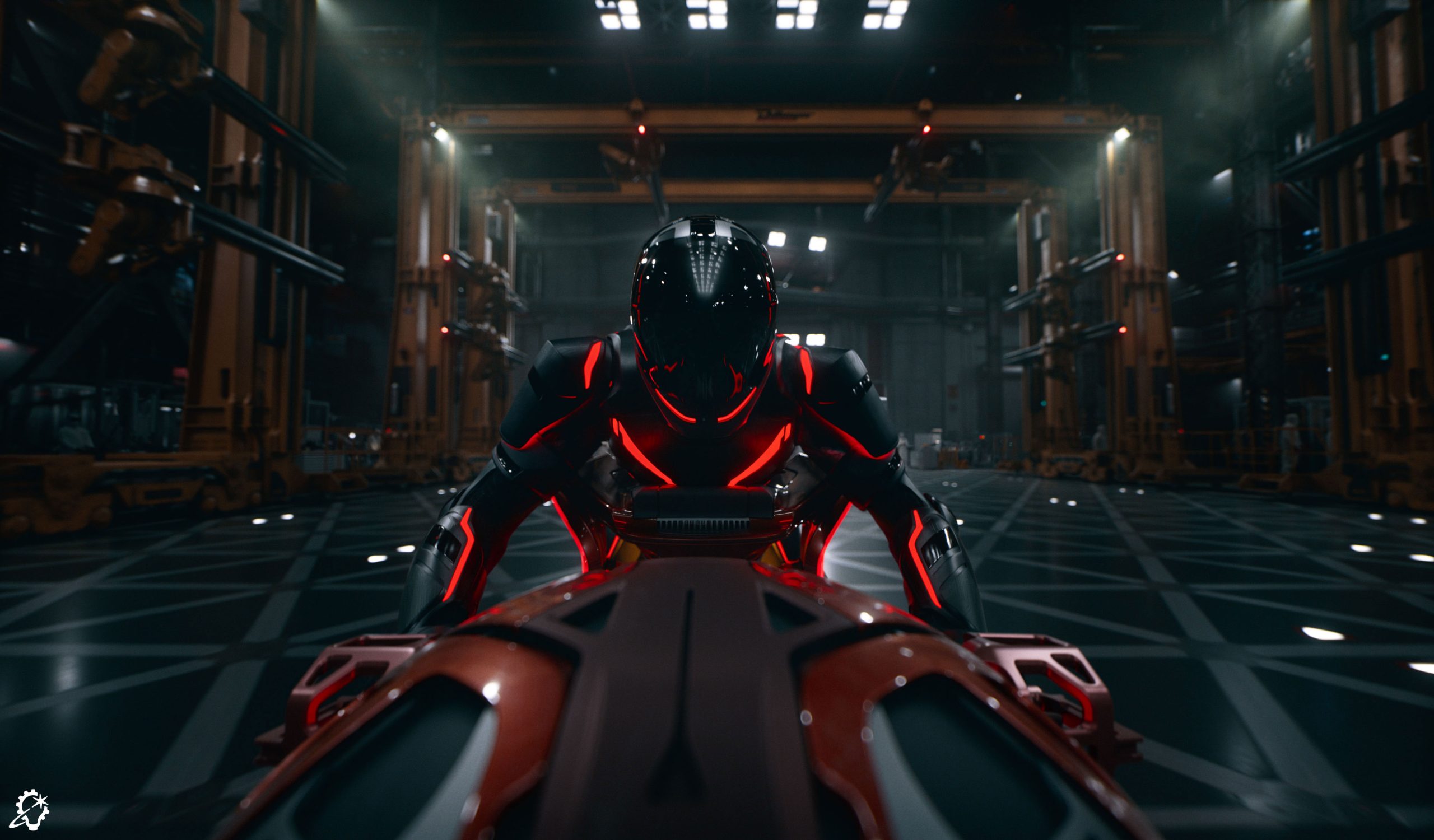
Inside a massive Dillinger complex hangar, Ares and Athena– along with their Light Cycles – are brought into physical form by an array of rapid-firing red particle lasers attached to robotic arms.

“Using lasers to get to and from the Grid has been part of Tron since the beginning,” Seager explains. “So we knew there was going to be a laser component to it. But also, I thought it was a great opportunity to show that the Dillinger company isn’t making games anymore. They’re more a part of the military-industrial complex, so it was always important that it had an industrial feel.”

During preproduction, design inspiration came from a 3D printer purring away in the art department. “It was in one of our meetings where we just happened to look over, and there was a print in progress,” recalls Seager. “And it had the support structure surrounding it, this kind of ‘jig’ structure, as we called it.”

Incorporating the concept of 3D printing helped ground the sequence in a visual language people are familiar with, Seager explains. There’s even an added storytelling flourish when the mass of rough, excess jig pieces builds up and suddenly collapses, exposing the object underneath. “We wanted it to feel messy, and then it just falls away, and there’s the creation. It was one of those happy accidents,” Seager says. “It became a really great reveal.”

Concept art by Jason Horley (Credit: ILM & Disney).
(Credit: ILM & Disney).

Cycles and Walls of Light

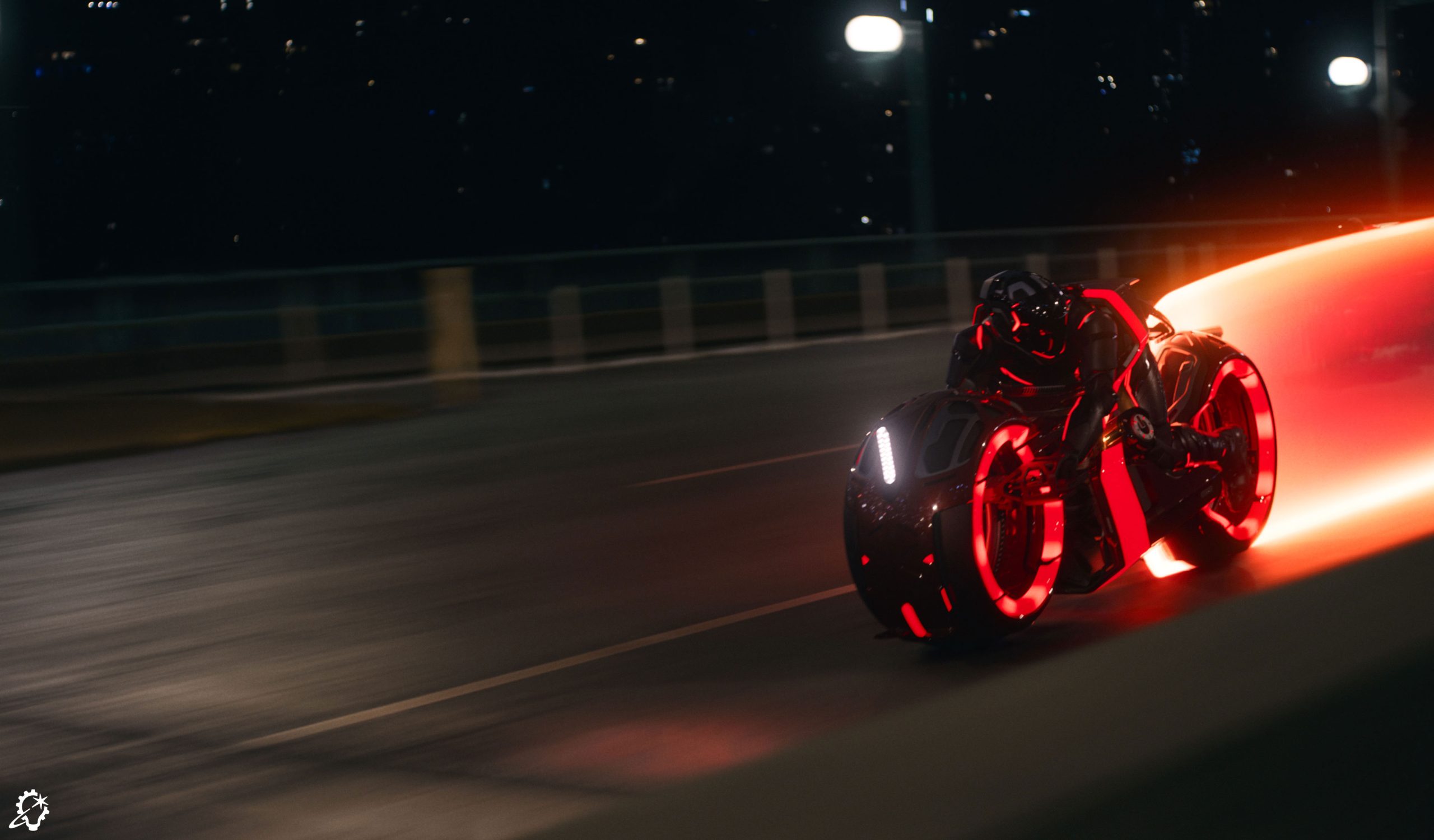
Riding their Light Cycles at high speed through nighttime city streets and across bridges, Ares and Athena pursue Eve in a sequence largely shot on location in Vancouver, Canada. “It became very evident that we all wanted to go shoot as much as possible on location,” Seager recalls. “You get a million little things that happen organically.”

On set, modified Harley Davidson electric motorcycles stood in as proxies for the Light Cycles, outfitted with practical lighting to cast realistic reflections and glow onto the wet pavement. “It became our job in visual effects to go in and replace the proxies that we created for the Light Cycles,” says Seager. “We had to replace 100% of them.” The special effects department also built hero versions of the Light Cycles for shooting close-ups of the actors, either against a blue screen or an LED screen.

During the chase, the Light Cycles emit a signature Tron element in their wake: lethal ribbons of reddish, semi-transparent light. The challenge, Seager explains, was making the light walls work visually in a non-Grid environment.

“That was more traditional look development work – adjusting the amount of refraction, reflection, and brightness and those types of things,” according to Seager. “There’s a little bit of heat distortion. We want it to feel hot. And because it was very easy for it to feel glassy, and there’s a certain brittleness that comes with glass, you’re like, ‘Oh, we don’t want that.’”

(Credit: Disney).

In one of the film’s most memorable shots, a light wall slices a police cruiser into perfect halves, an effect that uses a combination of practical and digital techniques.

“That was a real car,” Seager reveals. “The special effects team was like, ‘Oh, we could build this!’ So they took a car and chopped it right down the middle lengthwise. It was a repeatable stunt, and there was limited steering they could do after the split. We ended up having to shoot it a couple of times, but the vast majority of what you see is the stunt that we shot. And then we have to go in and make the edges seem glowing hot – like it just got cut – and add steam and those types of things coming out.

“Light Cycles are to Tron like lightsabers are to Star Wars,” Seager adds with a smile. “I’m so proud of what we achieved in the Light Cycle chase.”

One of Seager’s favorite moments in the sequence is a Light Cycle sideways slide that pays homage to an iconic shot in the landmark 1988 anime action film, Akira. “I’m a lifelong anime fan and fell in love with Katsuhiro Otomo’s manga of Akira and was one of the first kids in town to obtain a VHS copy of the anime,” Seager says. “Needless to say, it is very rare to be able to work on a project that combines two influential films from your childhood.”

A climactic street battle between Ares’s and Athena’s armed Dillinger sentries features a weapon that proved to be one of the more challenging effects to pull off: the Light Staff.

“It’s the fun new weapon that was introduced in our film. The idea is a staff that you could fight with, and the ends emit a white ribbon four or five inches wide,” Seager explains. “We came up with the idea that you’d have this almost dial-up lifespan, so the light ribbon could last a second, or two seconds, or five. We knew Joachim always wanted them as long as possible, but there were times when they had to go away.”

The Light Staff fight required complex coordination between the actors and stunt performers on set, but the frenetic pace of the action sometimes created unavoidable visual conflicts. “I’d be sitting there going, ‘Wait a second, if they swipe like this and then they run forward, their head just hit the thing,’” remembers Seager. “You have to almost think in terms of, ‘Oh, I need to duck under this.’ I think everyone did a great job of trying to choreograph the fights.

“We got as close as we could during shooting,” Seager continues. “And then in postproduction, we went in there and started tracking the staff and emitting the beam from it. We just started going, ‘Oh, there’s a problem there.’ And you just have to go try other things.”

Seager says some fun and unexpected ideas also popped up during shooting. “The stunt team came up with the idea of characters making a light ribbon and using it to jump off of,” he says. “So there are cool moments where Ares basically creates terrain for himself.”

Another visual quandary came with the Super Recognizer, a massive flying security transport that Athena pilots into the city as she searches for Eve. “The design work was beautiful. I think our biggest challenge was how big it was,” Seager says. “We had our LiDAR and survey data of real Vancouver streets, and when we put those two together for the first time, we’re like, ‘Okay, the Recognizer doesn’t fit into any street.’

“There’s a fair amount of digital surgery where we had to kind of wipe the city away because if you make the Recognizer too small, the threat goes away,” continues Seager. “So we were trying to find that balance. But the main work we did there was trying to find ways to make it fit.”

(Credit: Disney).

Enter the Grid(s)

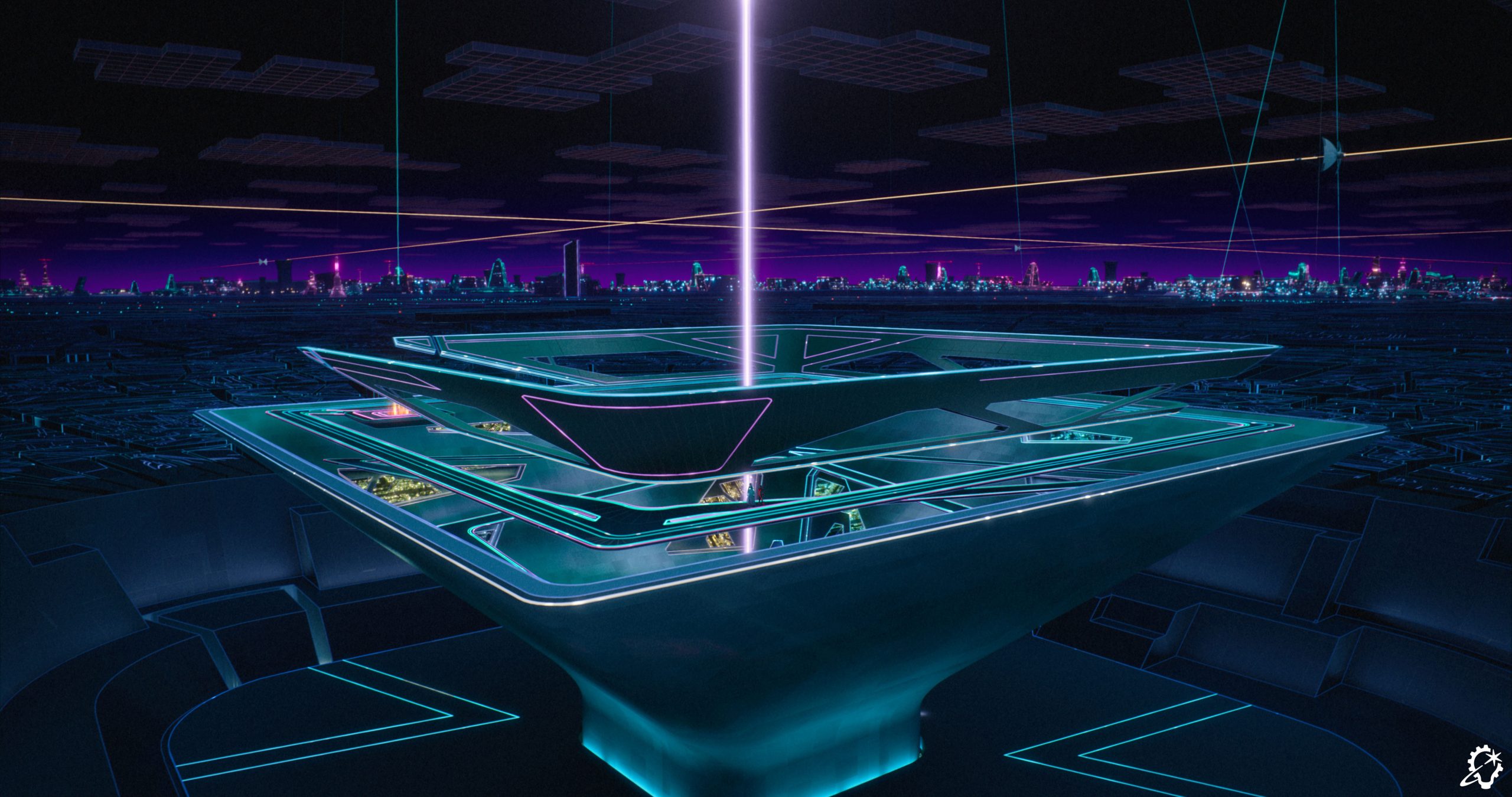
Much of the look of the ENCOM and Dillinger Grids is inspired by designs established in Tron: Legacy by production designer Darren Gilford, who returned for Ares.

“The Dillinger Grid – the red one – definitely followed the aesthetic of Tron: Legacy with a dark, shiny, almost wet look to it. It’s atmospheric, and it has a stormy feeling,” says Seager. “Darren always talked to me about that Grid being inspired by circuit boards.”

For both Grids, the production built a combination of complete and partial sets on a Vancouver soundstage. “Most of the big sets that we built were for the Dillinger Grid,” Seager says. “There were two major red rooms. One we called the ‘extraction’ room, which is where Eve is printed into the Grid and where Ares later escapes. And then there was what we call the ‘regeneration’ room.”

Seager credits the production art department for crafting beautiful, practical sets that, in many cases, only needed minimal digital enhancement, like adding ceilings or extending walls. “Early on in the show, I took some pictures as we were building the set and doing walkthroughs, and I sent them to one of my fellow ILM supervisors because they were very pretty. And they were like, ‘Oh, that’s great looking concept art.’ I was like, ‘That’s not concept art!’” Seager laughs.

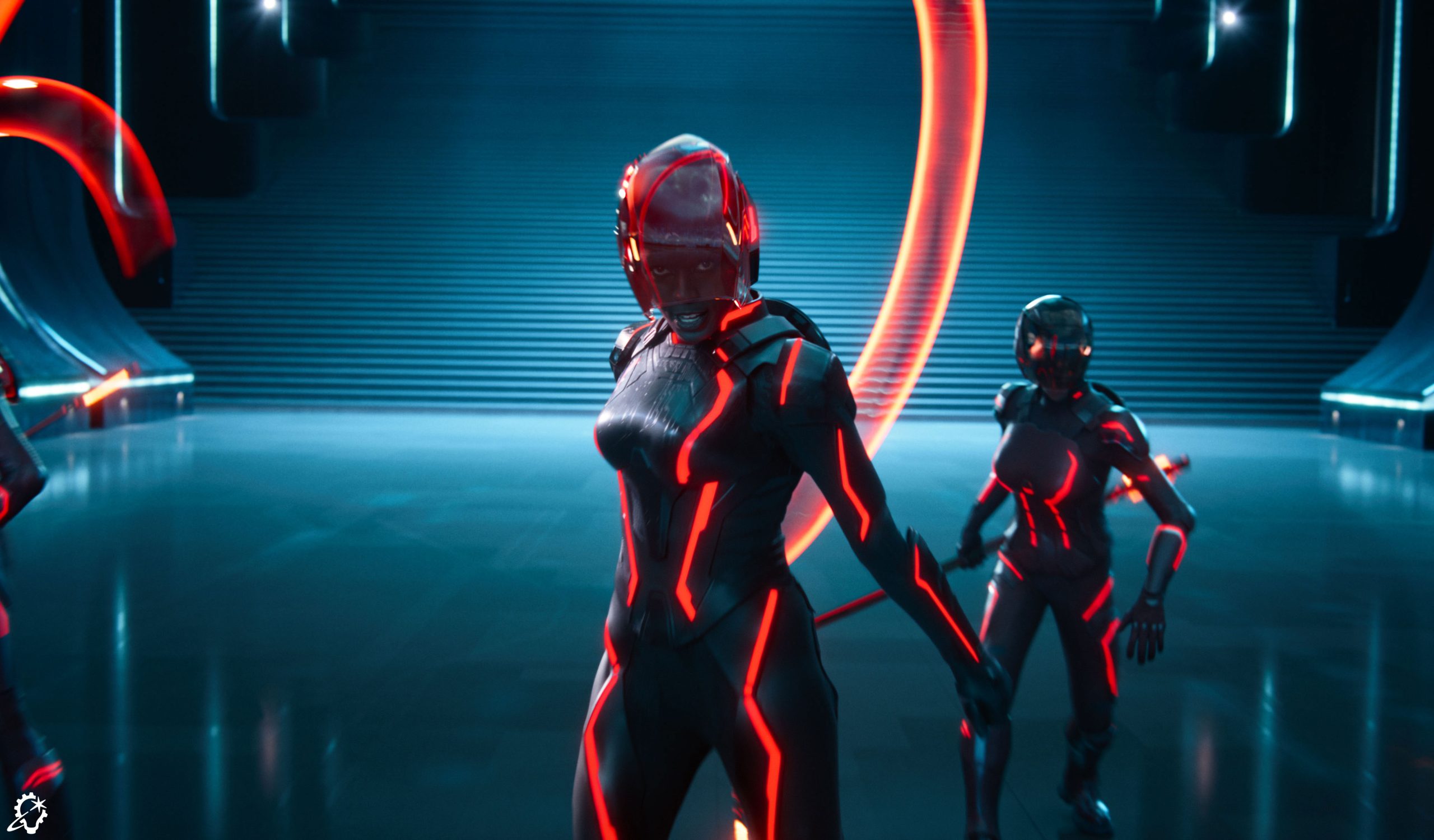
For a sequence in which Ares and his team infiltrate the blue-tinted ENCOM Grid, ILM took on extensive digital world-building. “That was a little more traditional blue screen work,” says Seager. “We built minimal floors and then expanded from there because the characters had to cover a great distance. We built the staircase that we could shoot against, but in post, we did the rest of the environments.”

Seager explains that the ENCOM Grid also offered a chance to break from a traditional nighttime look to portray a more daylight setting. “We just wanted it to feel thematically brighter,” he says. “It’s the sunny, good-guy Grid. It’s still overcast, but it’s not quite darkness. That has its own challenges because light lines look great when it’s dark out, but if you turn the lights up and also have a competing bright scene, now you’re trying to make the bright light lines work.”

(Credit: Disney).

Still hunting for the Permanence Code, Ares is transported inside Flynn’s original server,

providing audiences a nostalgic visit to the relatively primitive digital landscapes of the 1982 classic. “It was a lot of fun, and I actually consider it one of the more challenging developments on the show,” explains Seager. “ ‘Challenging’ usually means ‘big, big, big.’ And this one was challenging going the other way. It’s stripping away, it’s simplified.”

Executing the retro look of the Flynn Grid fell to the team at Distillery Visual Effects in Vancouver, which worked to incorporate updated versions of the distinctive visual artifacts from the 1982 film, like flickering faces, desaturated skin tones, and backgrounds marked by noticeable “frozen grain.”

“In visual effects, if you have frozen grain, your shot is broken,” Seager notes. “In our shots, we intentionally added frozen grain to the background to try to make it look that way. The light suits built by WETA Workshop were immaculate, but we actually made them kind of flicker and the edges kind of wobble because we wanted to have a little bit of a hand-rotoscoped feel.”

Seager says the Flynn Grid is loaded with Easter eggs – including an appearance by the binary guide known as Bit – that he hopes fans will pick up on. One of his favorite throwbacks can be seen as Ares takes control of a classic yellow Light Cycle and follows Bit off the Game Grid through the same jagged hole used by Flynn and his companions to make an escape back in 1982.

“We went in, and we looked at that exact break pattern. True fans hopefully can see that it’s the one they made 40 years ago,” Seager says.

(Credit: ILM & Disney).

Opening the Complete ILM Toolbox

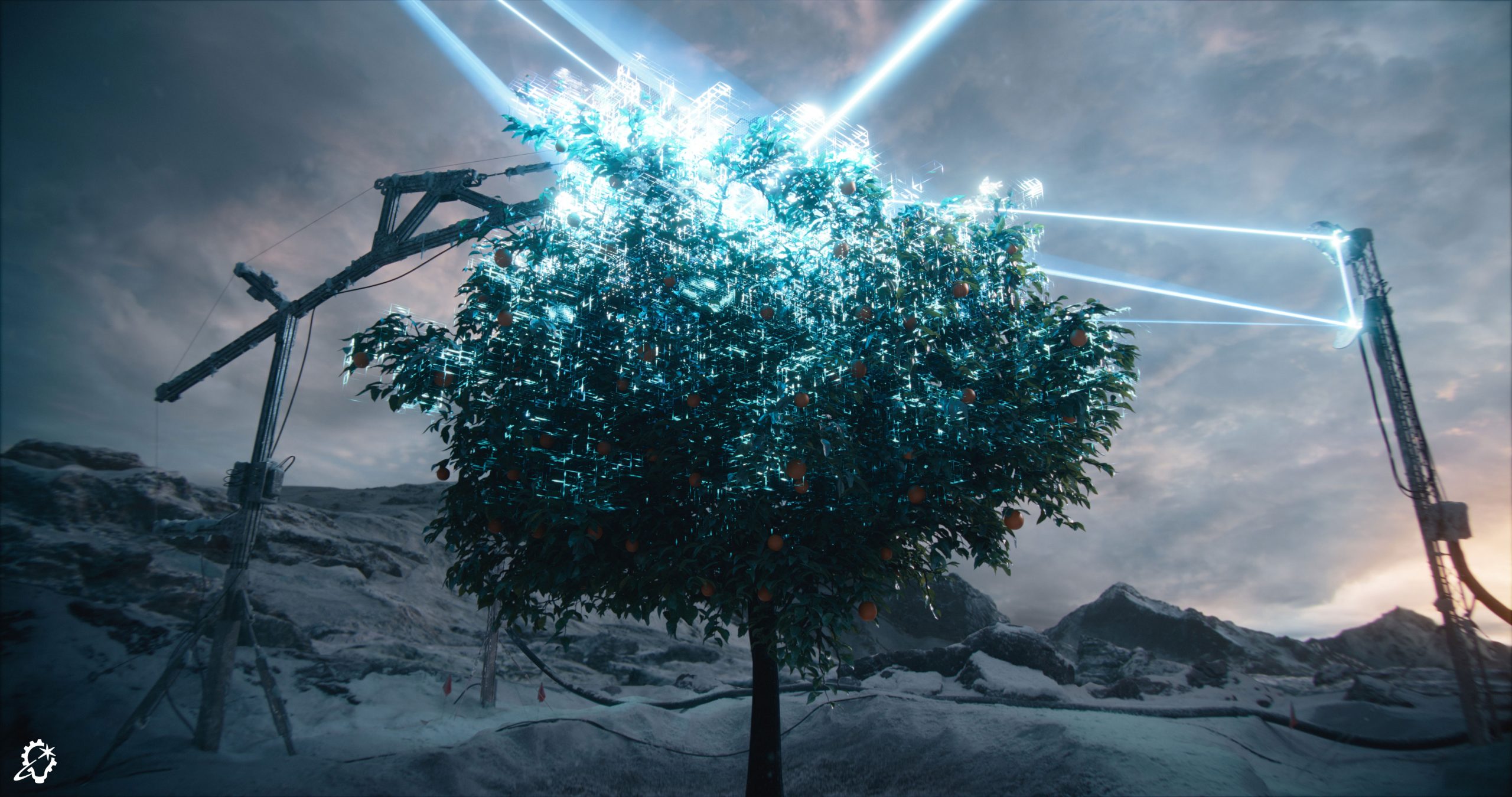
ILM Stagecraft’s LED volume technology proved invaluable for scenes set in very different exterior and interior environments. Assembled on a soundstage at Mammoth Studios near Vancouver, the volume completed the snowy landscape around a remote mountain station in Alaska, where Eve and her partner, Seth Flores (Arturo Castro), use the Permanence Code to assemble an orange tree in the real world.

“There were also two offices. Dillinger’s office, which overlooks the transfer bay, was built maybe 16 feet up, then we hung LED screens outside the windows. And the scene out there was a fully realized 3D version of the transfer bay,” Seager says. “The ENCOM office set also had an LED cityscape when you looked out the windows.”

The production employed the same volume ILM used for season one of the Disney+ series Percy Jackson and the Olympians (2023-present). Scenes inside the Grid featuring Ares speaking with Julian Dillinger’s digital visage utilized MEDUSA, the Academy Award-winning facial capture system developed by ILM and Disney Research Studios. For action scenes, ILM FaceSwap tools were used extensively to put an actor’s likeness onto a stunt double.

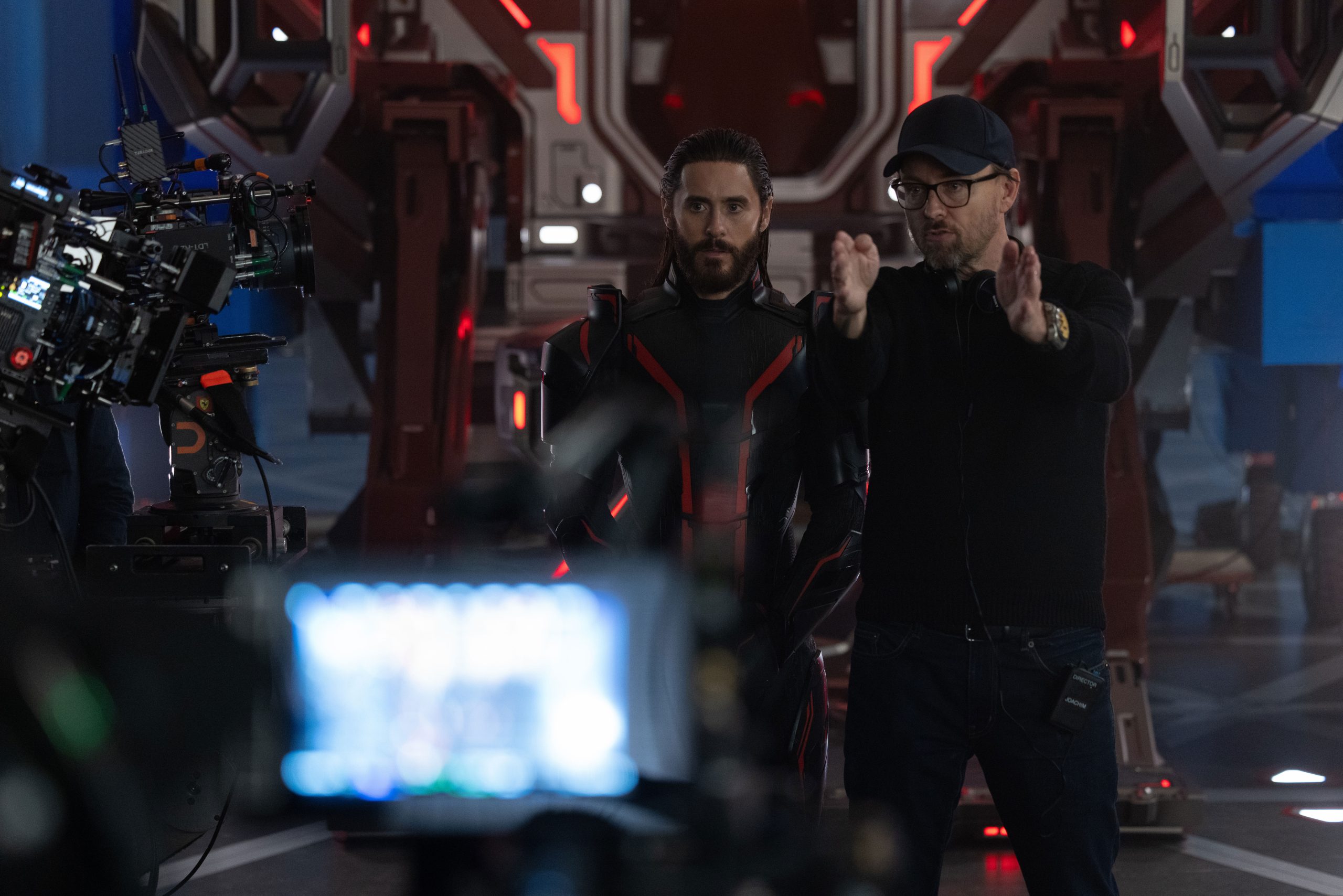
Director Joachim Rønning and actor Jared Leto (Ares) on the set (Credit: Disney).

The Home Team Advantage

Work on Tron: Ares was primarily divided between ILM’s Vancouver and Sydney studios, with additional contributions from Distillery Visual Effects, Lola Visual Effects, Image Engine, Prologue, GMUNK, Imaginary Forces, and OPSIS. Seager, who lives in Vancouver, says having Tron: Ares shoot in his home city provided a rare opportunity for the ILM team to observe the production process up close.

“For the artists, it’s huge,” Seager insists, “because it’s really hard to get experience on set for up-and-coming talent. We had a great relationship with the production team, so I was able to bring a lot of the folks out to get their first-ever on-set exposure. We tried to take advantage of that as much as possible.”

Seager adds one more Vancouver factoid: When an F-35 fighter plane slams into the Super Recognizer, the massive craft crash-lands in front of a building that in real life is only half a block from ILM’s Vancouver studio.

(Credit: Disney).

Now You See Him, Now You Don’t

Tron: Ares contains just over 2,100 visual effects shots, but Seager says there’s one illusion the audience will never notice. Early in the film, Dillinger introduces Ares to a group of shareholders. Appearing for the first time inside a Dillinger Systems Amphibious Rapid Response Tank, or DART, he wears a black Light Suit with glowing red accents and a highly reflective helmet hiding his face.

But when the scene was first shot, Jared Leto was not wearing a helmet at all.

“An idea came in postproduction to have him be this faceless automaton that reveals at the right moment,” Seager says, explaining that it was up to digital artists to craft a highly reflective CG helmet from scratch, matching it perfectly with the Light Suit and practical environment. Adding to the challenge: Leto had long hair that needed to be painted out of every shot.

“I don’t think people will ever know the work we did,” remarks Seager. “The camera is inches from his face in some of the shots where we had to track the helmet in there. In that entire scene, those helmets are all digitally added shot-by-shot.”

(Credit: ILM & Disney).

End of Line

Seager has much praise for the hundreds of artists and collaborators who made working in the Tron universe such a rewarding challenge, and especially director Joachim Rønning.

“Paramount to Joachim’s vision was that he never wanted this to feel bigger than life. It’s really easy to toss a lot of gimmicks at something set in the real world, and all of a sudden it starts to not feel as grounded. So it was trying to find that sweet spot where it felt like you could believe you’re watching from the street corner.”

Instead of watching from a distance, however, Seager found himself at the creative center of the Tron universe, drawing on 40-plus years of fandom to help bring the latest chapter to the big screen. “It was a dream come true,” he says.

Read more about Tron: Ares here on ILM.com:

ILM’s Jeff Capogreco and Jhon Alvarado Take Us Into the Grid of ‘Tron: Ares’

Inside the ILM Art Department: ‘Tron: Ares’

Clayton Sandell is a Star Wars author and enthusiast, Celebration stage host, and a longtime fan of the creative people who keep Industrial Light & Magic and Skywalker Sound on the leading edge of visual effects and sound design. Follow him on Instagram (@claytonsandell), Bluesky (@claytonsandell.com), or X (@Clayton_Sandell).

As Kathleen Kennedy steps down from Lucasfilm leadership to return to producing, Dave Filoni will lead the studio as President and Chief Creative Officer alongside Lynwen Brennan as Co-President.

Lucasfilm announced today that after 14 years of leading the studio, President Kathleen Kennedy is stepping down from her role. Kennedy will return to full-time producing, including the studio’s upcoming feature films The Mandalorian and Grogu and Star Wars: Starfighter

Dave Filoni, who worked closely with creator George Lucas to build the Lucasfilm animation department on Star Wars: The Clone Wars and helped launch Star Wars live-action series alongside Jon Favreau on The Mandalorian, will take on creative leadership of the company as President and Chief Creative Officer and Lynwen Brennan will serve as Co-President. 

Their close collaboration and more than 30 years of combined senior executive experience will carry Lucasfilm into its next chapter of storytelling, with a strong foundation of creative vision and operational leadership guiding the studio forward.

To read the full announcement, visit StarWars.com.

Visual effects supervisor Eric Leven takes us behind the scenes of the high-speed film from director Joseph Kosinski.

By Jamie Benning

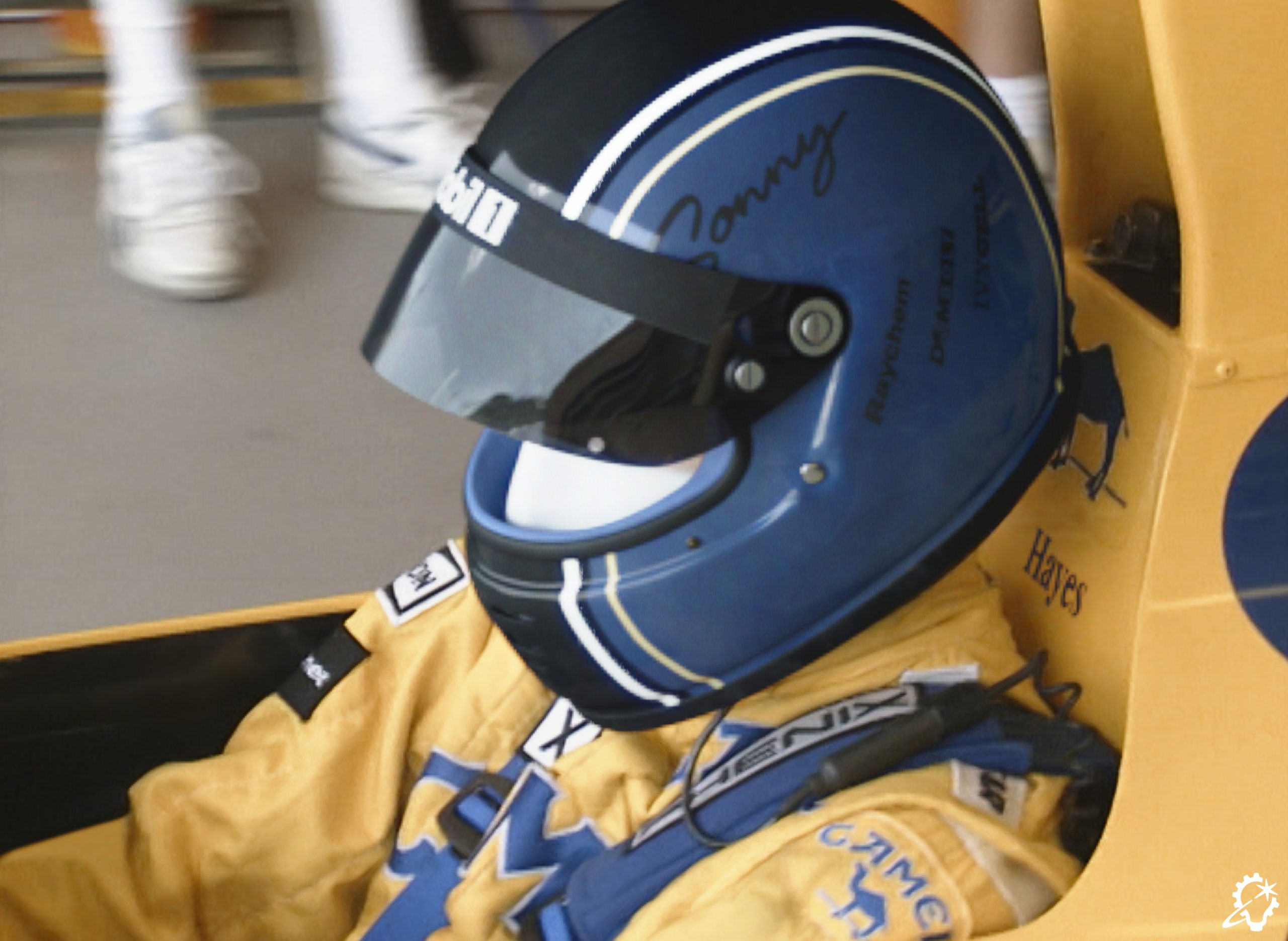
There is a moment early in F1: The Movie (2025) when the film quietly makes a promise to its audience. Before we have settled into the present-day story, and before we have learned the rhythms of the modern races, we are pulled back into the past, into the memory of a catastrophic crash that defines Sonny Hayes (Brad Pitt) long before we meet him. It is a short sequence, but it carries the same burden as the first dinosaur reveal in Jurassic Park (1993). If the audience does not believe this moment, everything that follows becomes harder to land.

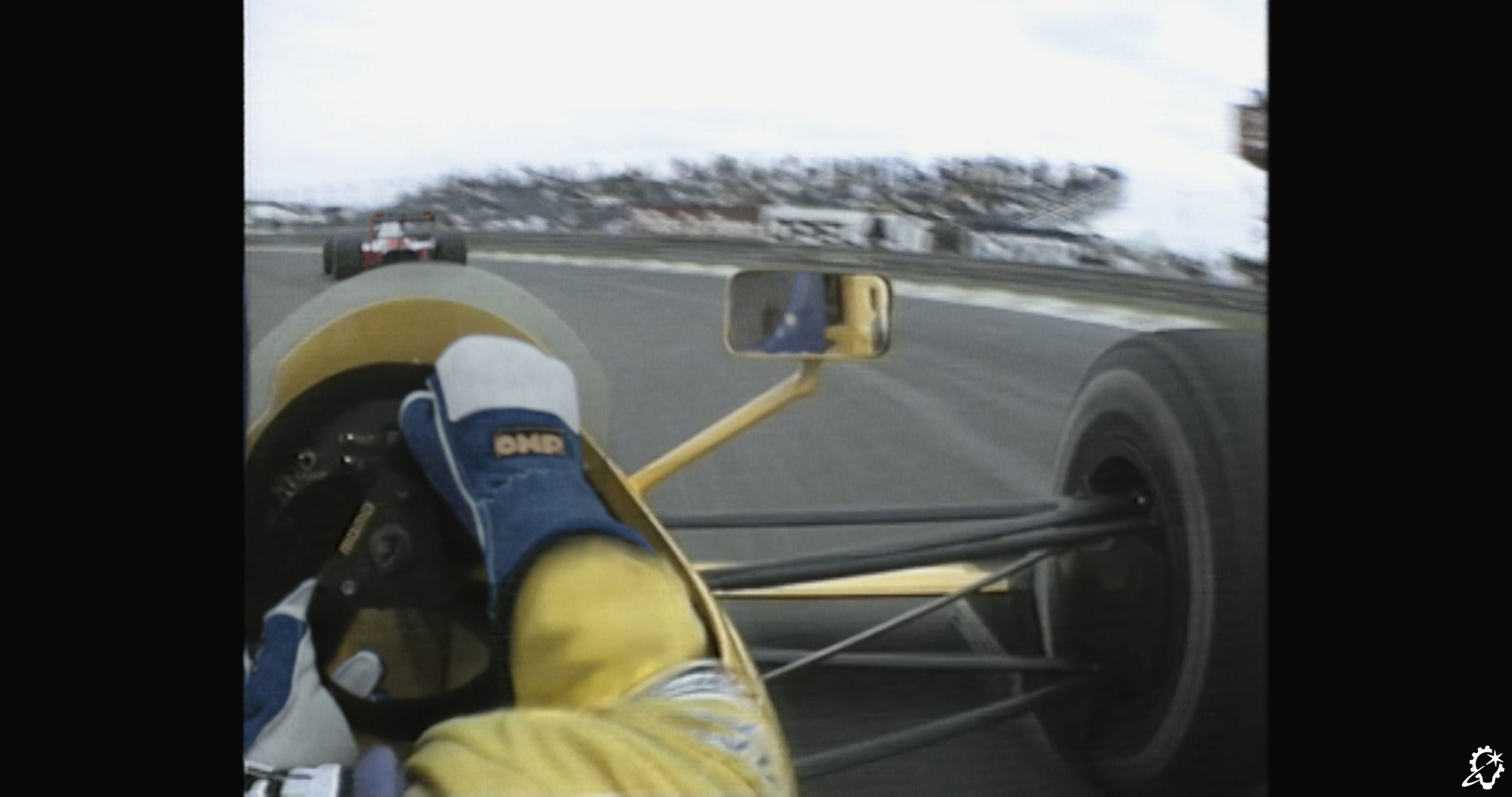
That opening crash is not simply exposition. It is the film’s tonal contract, shaped quietly by Industrial Light & Magic, with more than a little help from the real-life, near-fatal crash of racing driver Martin Donnelly at Jerez in 1990.

ILM visual effects supervisor Eric Leven described the challenge in clear terms. “Motorsport fans have watched countless hours of real racing footage, so they instinctively know when something feels wrong. A film, however, cannot simply document reality. It has to reshape it into something emotional and cinematic. Accuracy alone is never enough.”

I have worked in Formula One television production for more than twenty-five seasons, and when the Donnelly sequence began as I watched the movie, I recognized the real-world imagery within a second. Almost immediately, that recognition dissolved, and I found myself inside Sonny’s memories. I wanted to understand how ILM helped achieve that transition and set the tone for the entire movie.

(Credit: Apple & ILM).

Dreaming in VHS

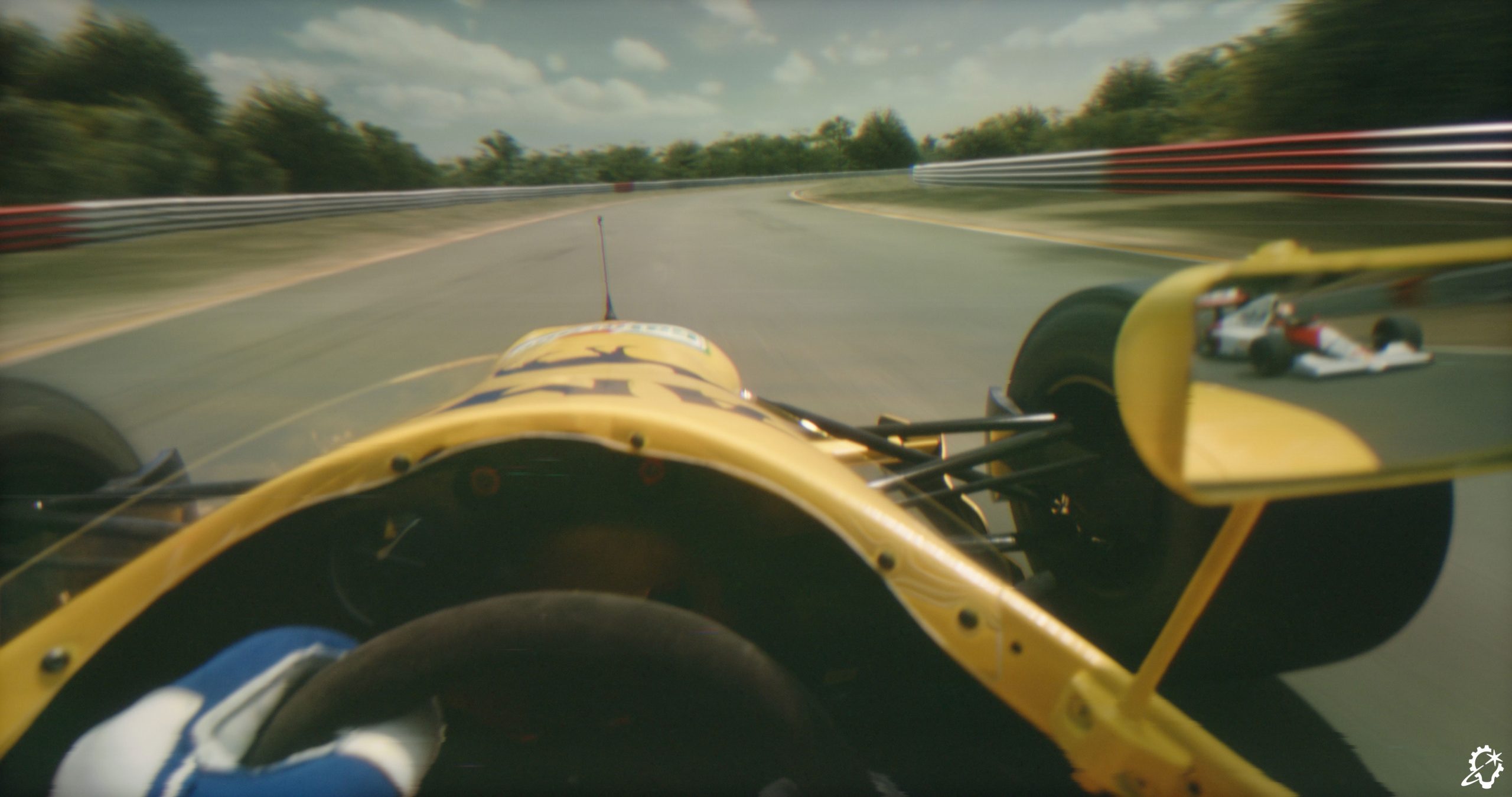
The conceit of the opening sequence is simple and effective. Sonny dreams in VHS. Editorial had mocked up an early version of the look, but everyone knew how unforgiving that format could be.

“Everyone knows exactly what real VHS looks like,” says Leven. “And if it is just a tiny bit off, you can tell that it was done in post or that it is not real VHS.”

Rather than rely on digital simulations, ILM turned to genuine analogue artefacts. Leven had digitized old family VHS tapes, complete with dropouts, noise, and tracking errors. Those became the foundation of the sequence.

“We were able to lift glitches from real VHS tapes,” Leven explains. “Our compositing supervisor, Heath Kranak, put that material together and mimicked the rest of the VHS look with the color desaturation and low fidelity and it matched perfectly. It was a really, really fun sequence to work on.”

The result does not feel stylised. It feels remembered and slightly damaged. The fragility it imparts is central to the emotional impact of the moment.

(Credit: Apple & ILM).

Rebuilding History, Donnelly, Senna, and the 1990s

Texture is only one part of the illusion. Many of the elements that appear in the Sonny Hayes crash exist because ILM reconstructed them digitally. The sequence blends archive racing footage of Martin Donnelly with new photography shot at the F1 legacy circuit Brands Hatch. Crucially, the archive was not something to be polished. It was the aim.

“The archive footage was the target look we were going for,” Leven says. “That became our roadmap for what the other footage needed to look like.”

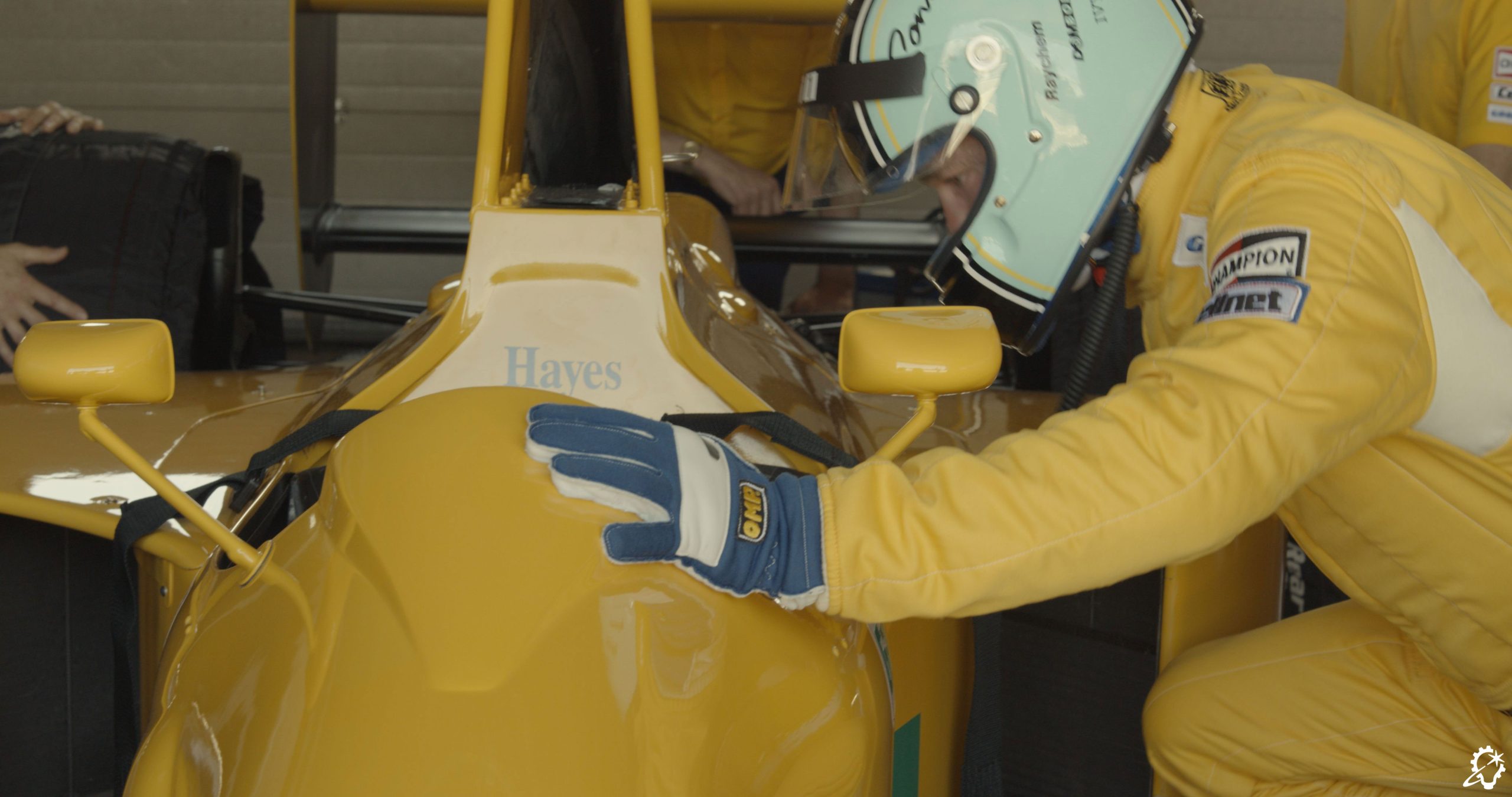
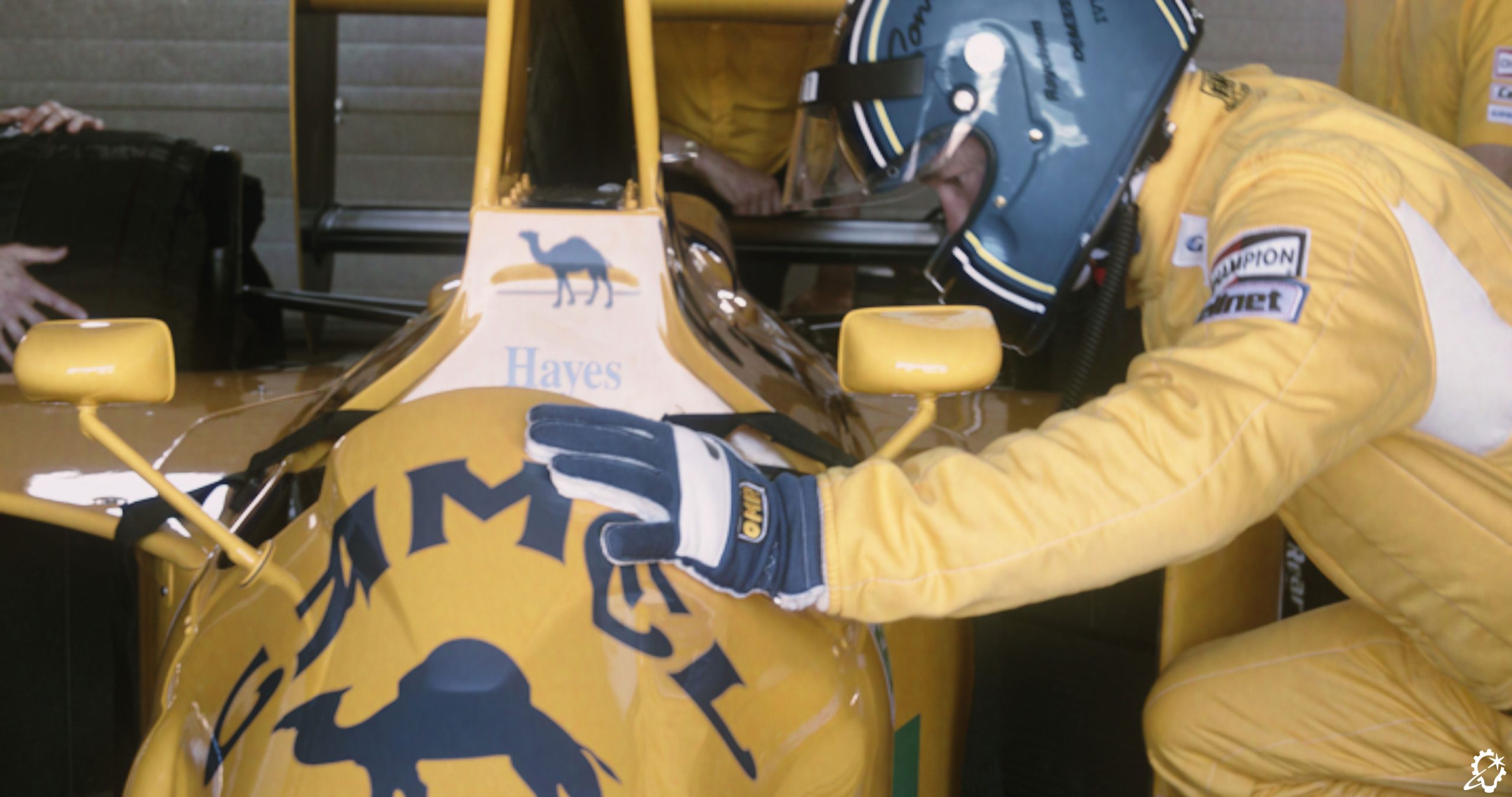
The new material had to bend toward the old. Stand-in cars did not match the shapes and proportions of early 1990s Formula One vehicles, so ILM made significant changes. “To me it looked like a Formula One car from the 1990s,” Leven notes. “But people said, no, the air scoop is different, and the tires are a little bit fatter. So we ended up replacing Senna’s car in its entirety.”

Branding needed the same attention. Logos removed on set were later reinstated for reasons of authenticity. “At that time they had Marlboro advertising,” Leven recalls. “So we added those logos onto Senna’s car and on some of the billboards.”

(Credit: Apple & ILM).

Playing With Recognition

For viewers who know the real Martin Donnelly crash at Jerez in 1990, there is an immediate flicker of recognition when the sequence begins. The angles, trackside details, and violence of the moment feel unmistakably familiar. Yet within seconds, that certainty slips.

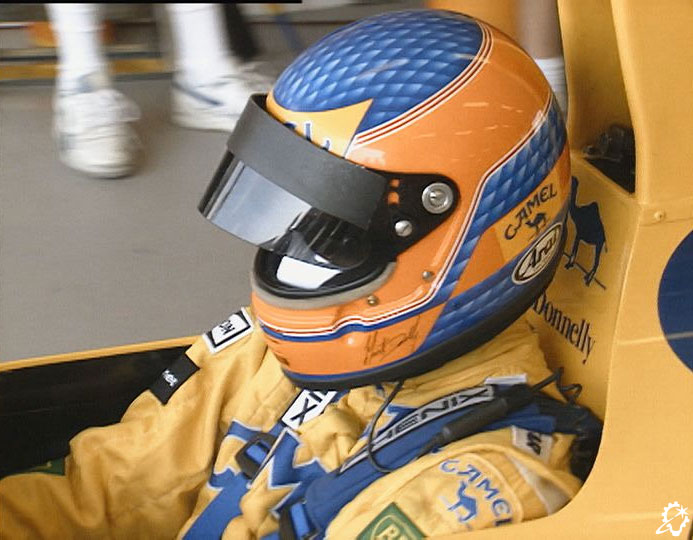
The yellow car remains, but the driver is no longer Donnelly. The incident has been reframed as Sonny Hayes’s defining memory, and from that point on, the sequence belongs to the character rather than history. ILM is not inserting new material into archival reference. It is reconstructing a memory, taking an incident that fans may hold vividly in their minds and reshaping it so the audience feels both recognition and unease.

That approach extends beyond the car itself. Although the sequence was shot at Brands Hatch, ILM removed contemporary details, replaced the environment, added period-appropriate crowds, and regraded the landscape to resemble the Spanish circuit of the early 1990s. For seasoned Formula One fans, this is where the spell takes hold. They recognize the shape of what they are seeing, but begin to question its ownership.


The Crash That Is Not There

One of the most dramatic shots in the sequence, the car losing control and heading toward the guardrail, appears to be captured entirely in camera. In reality, it is almost fully digital.

“The crash was shot as the camera car was driving normally around a curve,” Leven says. “At a certain point, we took over. It basically became a full CG shot because we needed to replace the entire background and make it look like it was crashing into the guardrail.”

Once ILM replaced the environment, the car needed work too. “We needed to vibrate the wheels and make it look like he is going off the road,” Leven explains. “One of the wheels goes askew. Maybe 90 percent of the car was replaced.”

Even the driver’s hands on the steering wheel were animated later to make his struggle more believable. The goal was never pure spectacle. It was to make the audience feel the loss of control while subtly layering in the foundations of Sonny Hayes’s early racing story.

(Apple & ILM).

Daytona Nights

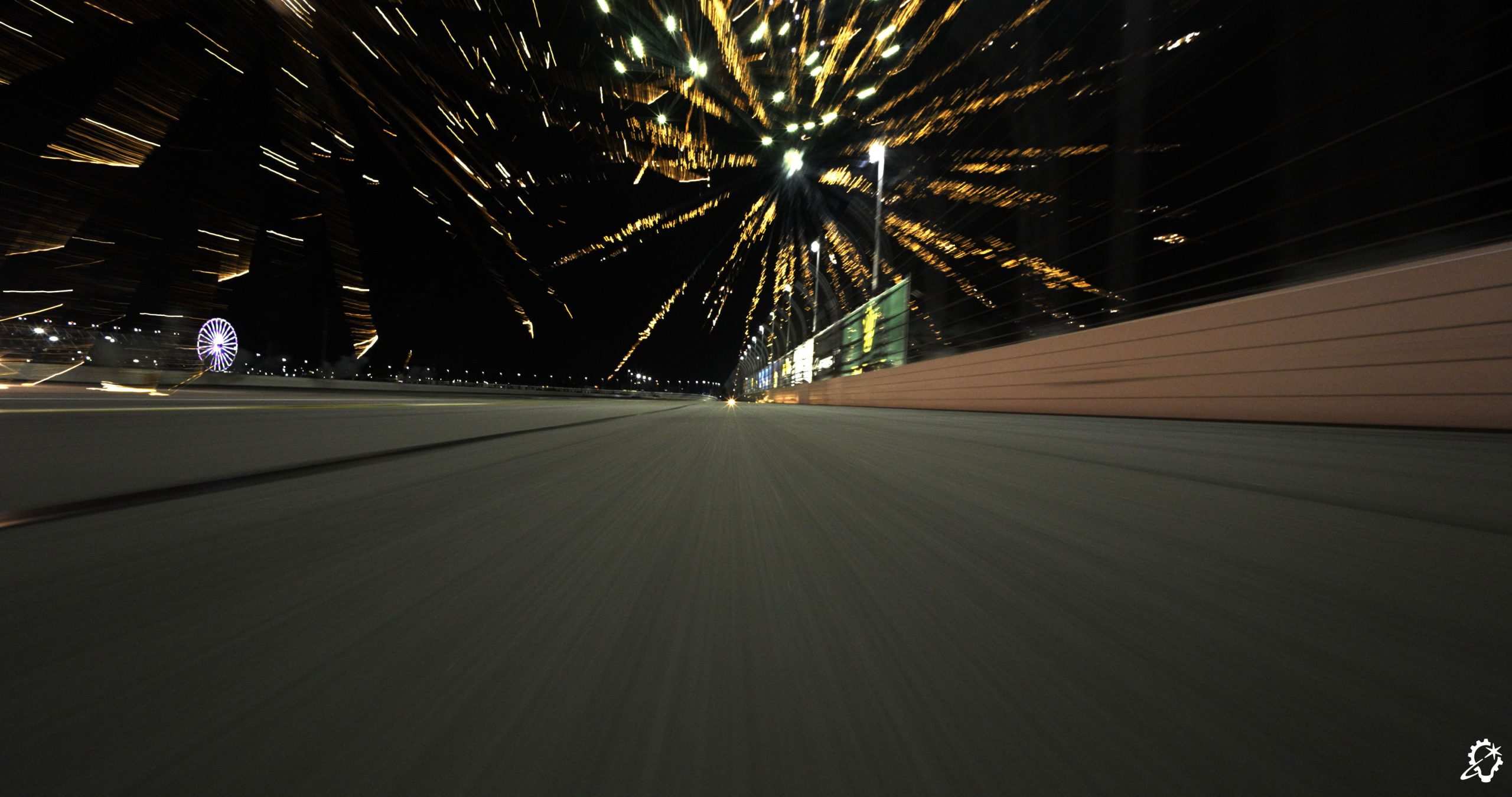
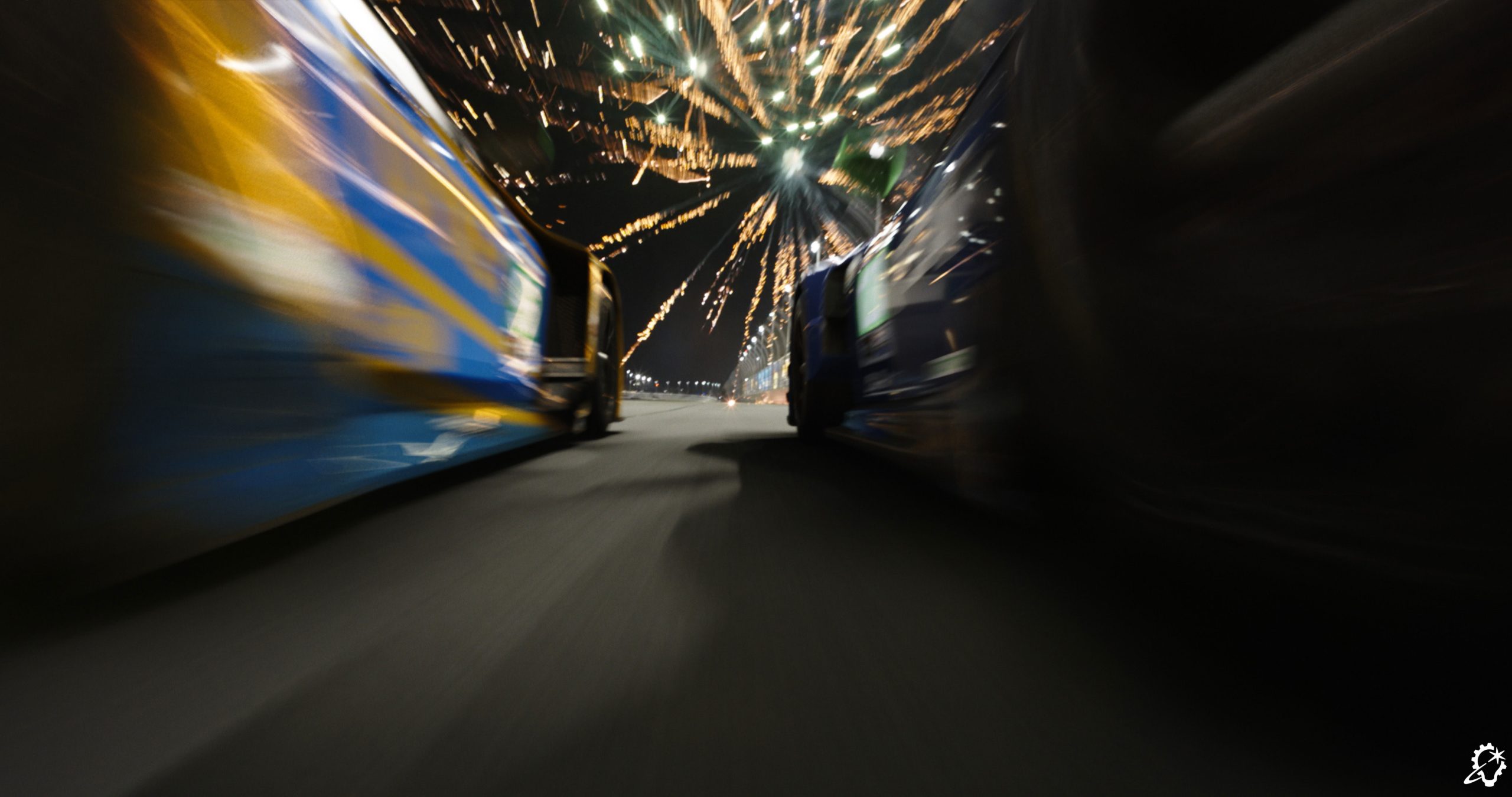
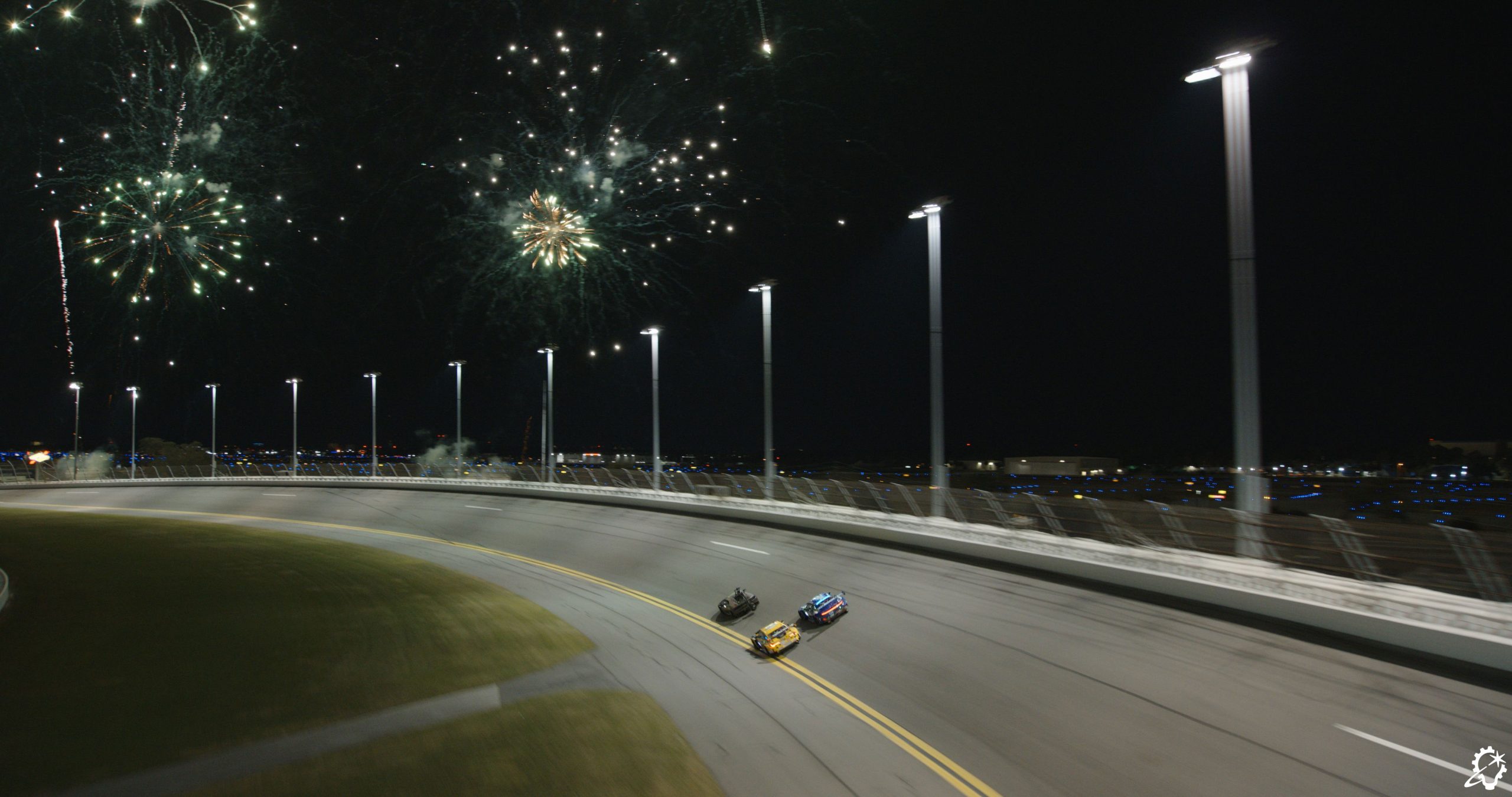
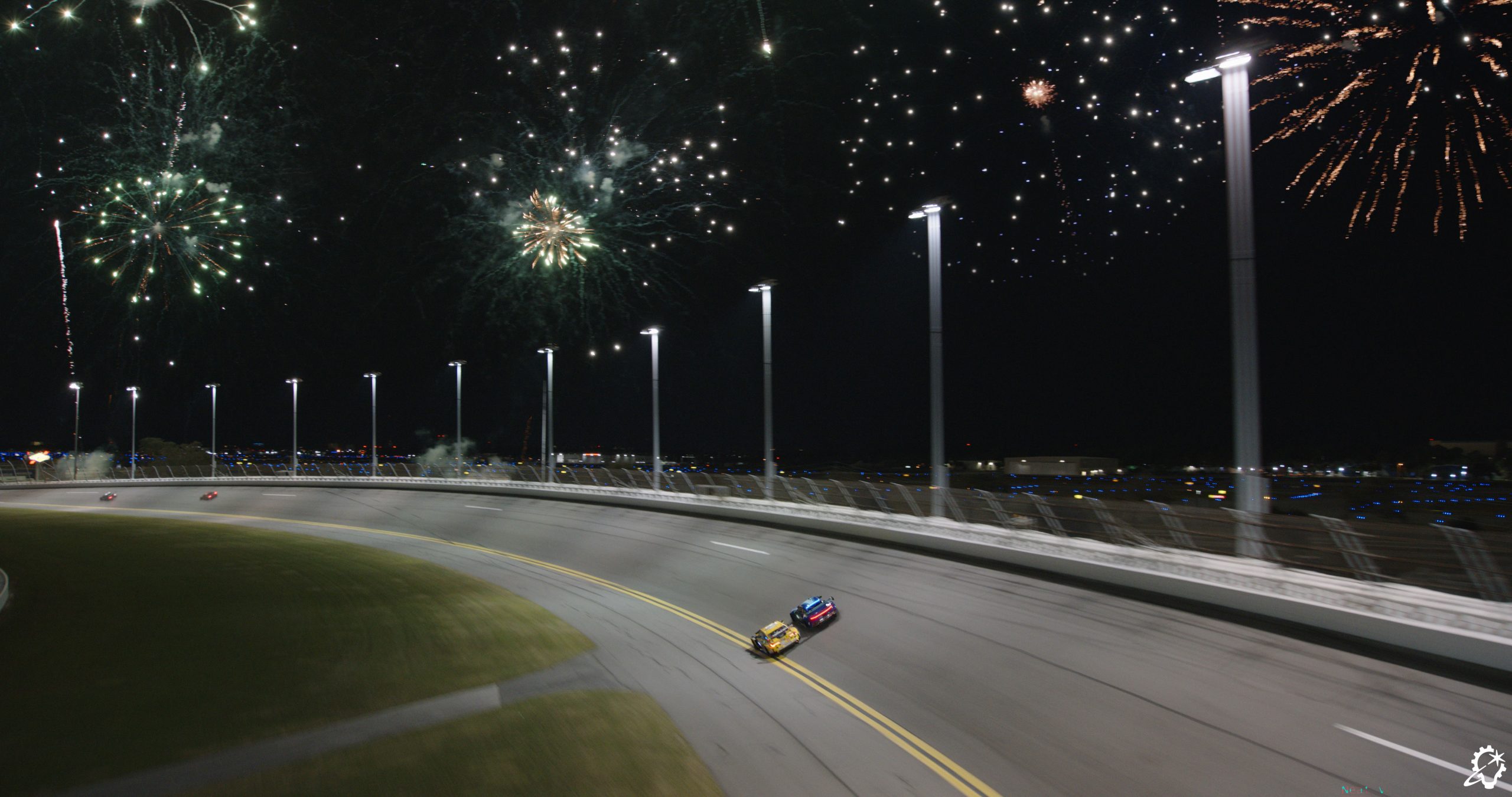
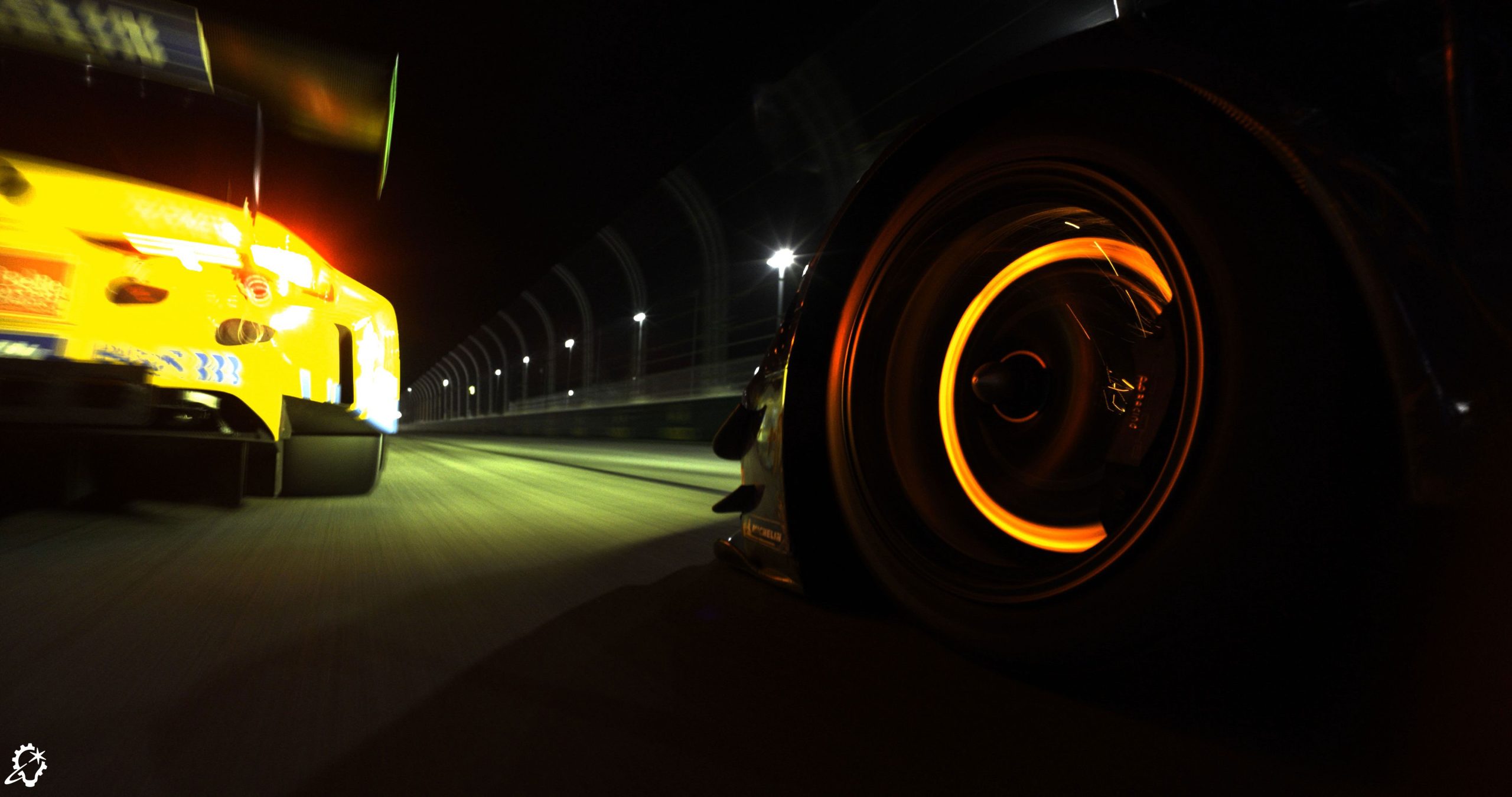
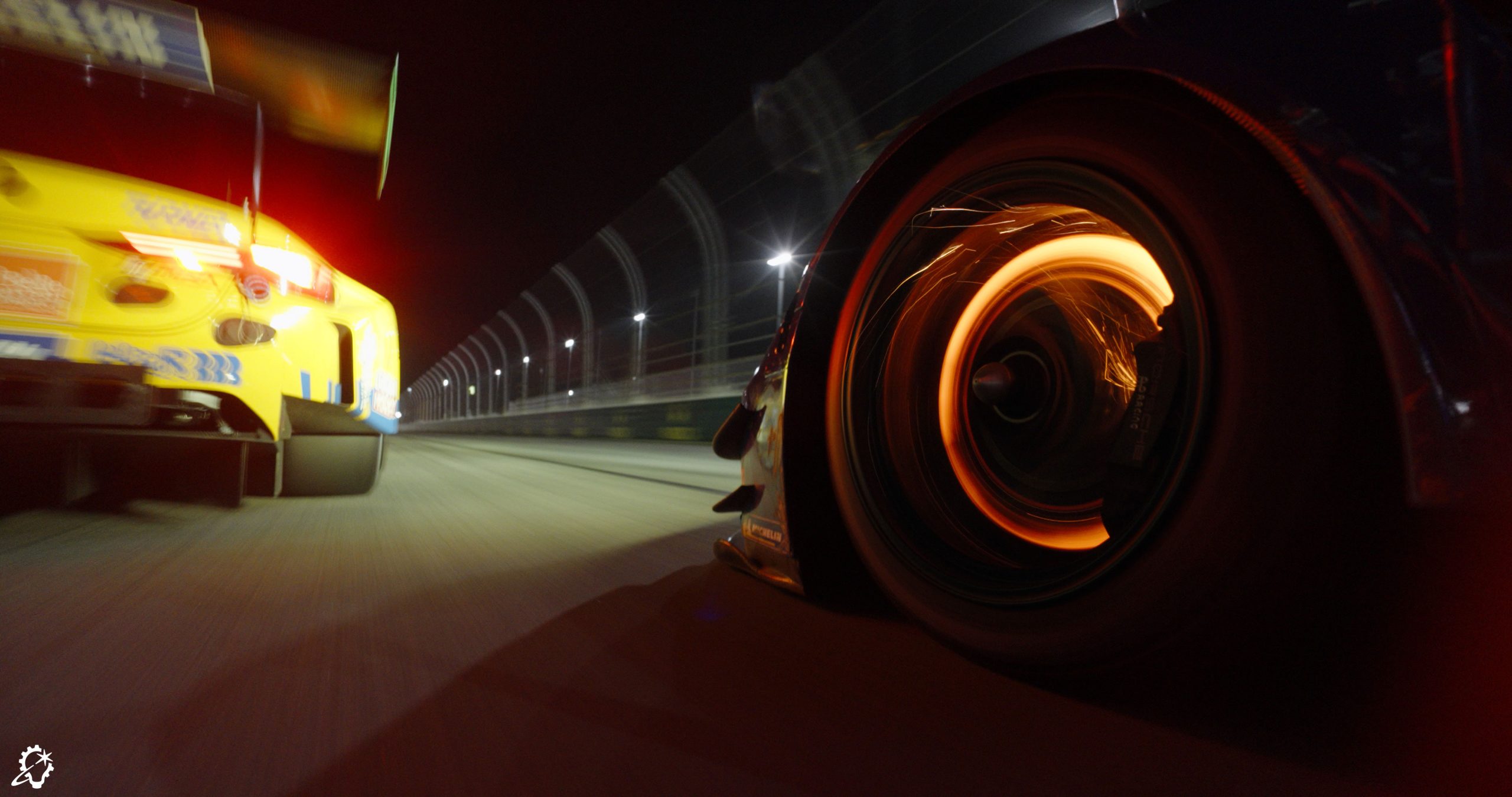
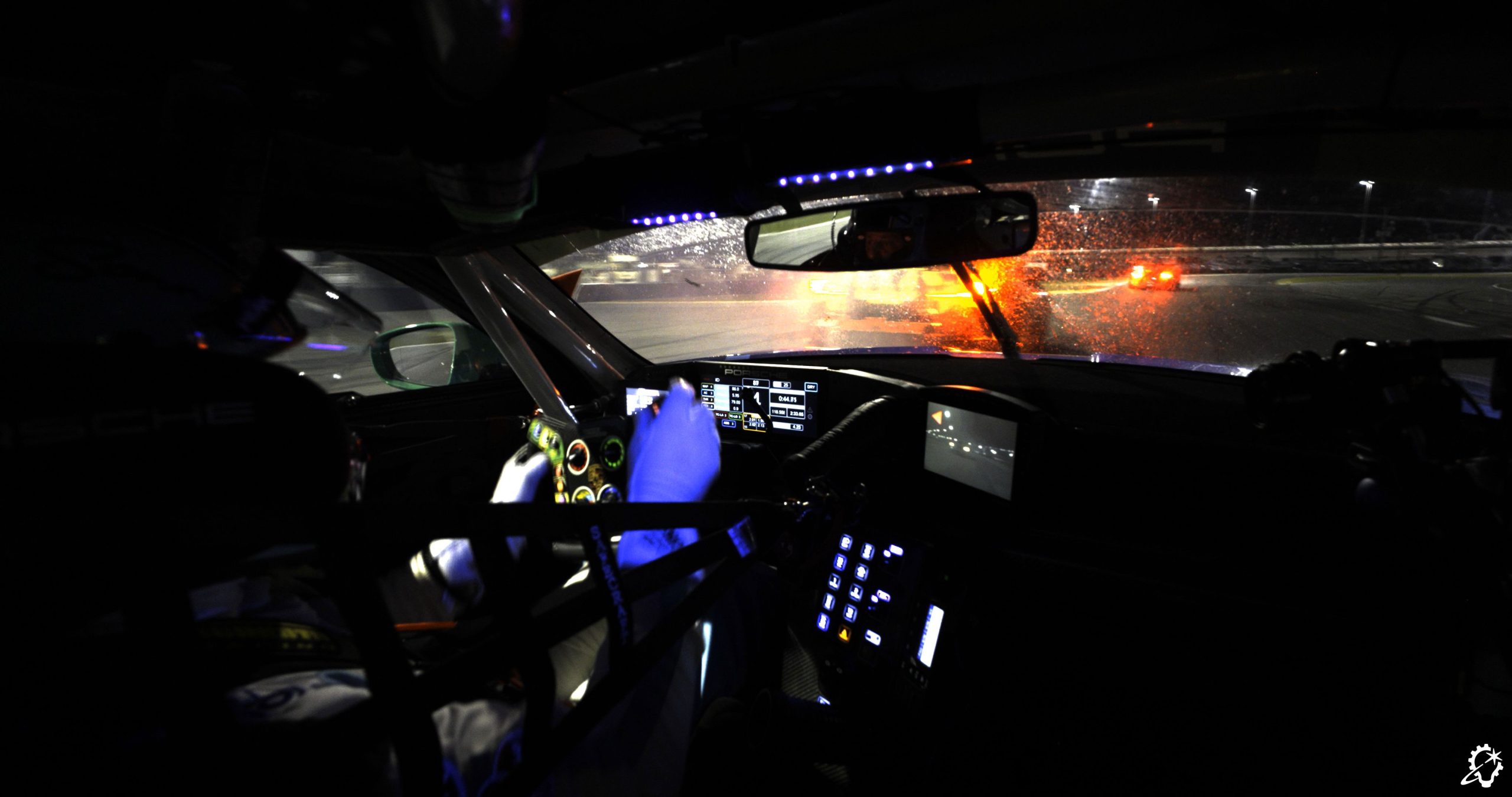
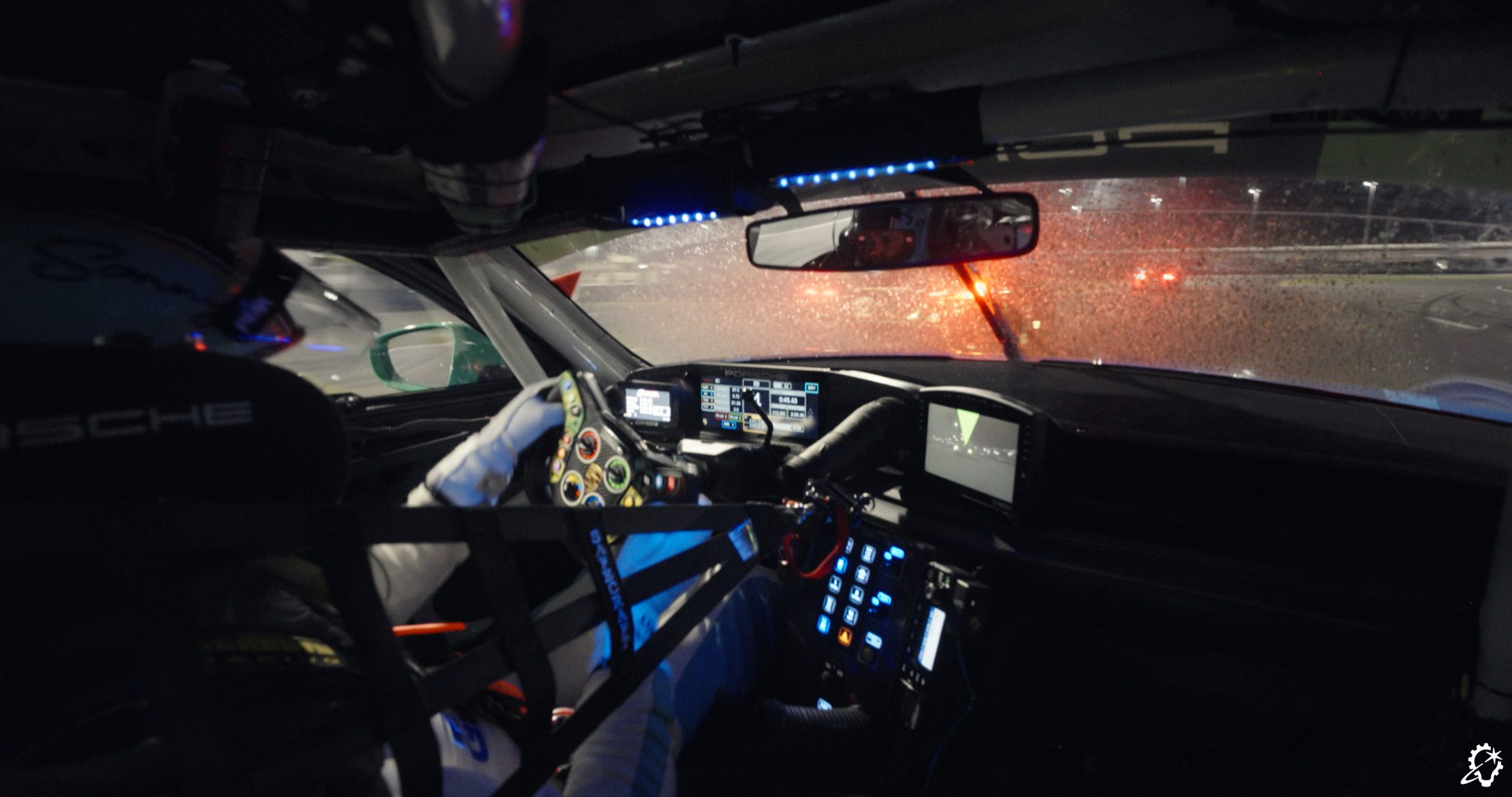
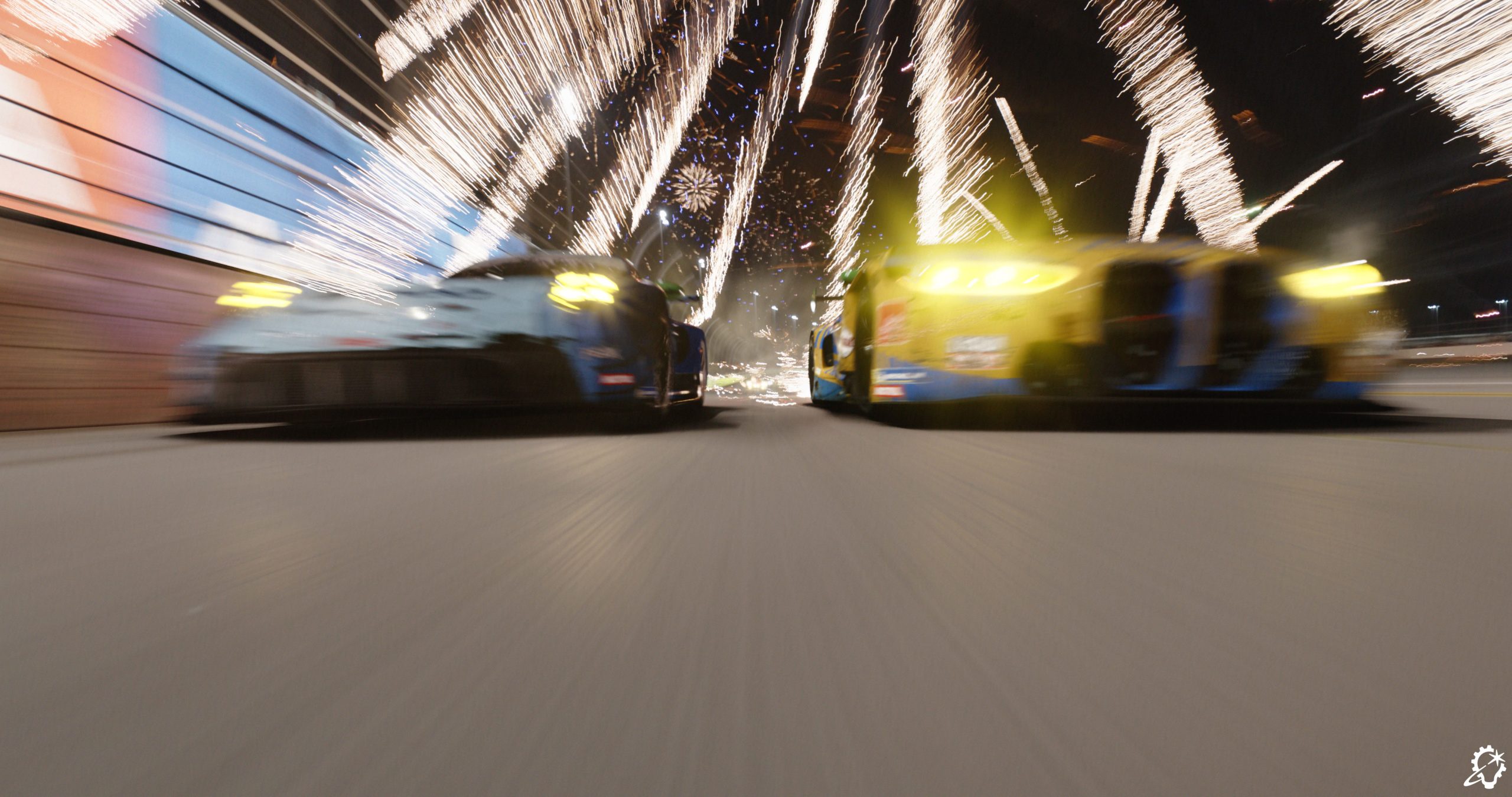
If the opening crash sequence sets the emotional foundation, the Daytona material sets the film’s visual rhythm. Once again, the work begins with practical filmmaking. “Joseph Kosinski was all about shooting as much as possible for real,” Leven says. “Let visual effects help only where you cannot get exactly what you want.”

Units captured a wealth of footage and reference, from headlight sweeps to subtle brake behavior. This allowed ILM to integrate story beats seamlessly into authentic environments.

When the narrative required Sonny to be surrounded by several cars as he exited the pits, ILM added those cars. When positional indicators on the sides of vehicles needed to reflect a different moment in the story, ILM updated them.

“It is great to be at ILM where you can say, ‘Absolutely, we can do that, and it will look seamless.’ We had a lot of fun adding all kinds of little details,” Leven says.

When the script asked for Sonny’s competitors to have mechanical failures, the same principle was followed. ILM kept real sparks and flame bars where possible, added smoke and oil when required, and extended practical effects only where the story demanded it.

In some cases, that meant going far beyond enhancement. Entire vehicles were replaced or rebuilt in visual effects when the practical footage could not deliver what the story required. Stand-in cars became different models. Background vehicles were added wholesale. In certain shots, only fragments of the original plate remained once the work was complete. It was not about spectacle, but precision. The cars had to behave correctly, brake at the right moment, shimmy under deceleration, and sit convincingly within the real racing environment.

(Credit: Apple & ILM).

Fire, Fabric, and Pixels

ILM’s work also appears in some of the film’s most intense moments, including the crash that engulfs Joshua Pearce (Damson Idris), the rival driver to Pitt’s Sonny Hayes. “There is a shot where you see his whole back,” Leven says. “On the day, it was just a bright white driving suit. We made it look burned and added ash.”

It is painstaking but important work, and most of it is invisible to the audience. But it matters because tire compound colors carry meaning. In Formula One, the colour markings on a tire indicate the compound being used, which in turn signals grip level, durability, and race strategy. For fans who understand the language of racing, those colors instantly communicate how hard a driver can push and how vulnerable they might be at that moment. If the color is wrong, the story beat is wrong, even if it only occupies a couple of pixels on screen.

(Credit: Apple & ILM).

The Myth of “No Visual Effects”

There is a recent marketing trend proclaiming that certain movies use very little or even no visual effects. Leven finds this both complimentary and misleading. For him, visual effects are simply one of many tools that support the filmmaking process.

“Obviously, we are using visual effects, and obviously we try to make them as seamless as possible, and that is what makes it amazing,” Leven says. “Though I would not mind if people could talk about how scenes were shot for real, but also used visual effects, and actors, and props, and sets. It’s all part of the filmmaking process.

“It is great when people watch the movie without noticing any visual effects. Ideally, nothing takes them out of the moment,” he adds.

(Credit: Apple & ILM).

Why Filmmakers Come to ILM

Leven is clear about what ILM offers when filmmakers come to the studio. “We have such a rich history,” he says. “When filmmakers come to ILM, we want them to be comfortable knowing we share their vision. We are all filmmakers here, and we want to push the boundaries on every project to create incredible imagery.” 

The production of F1: The Movie was notably smooth from ILM’s perspective. “There were no problem shots,” Leven says. “It was just executing a plan.”

The work was shared between the San Francisco and Mumbai teams, with each location taking ownership of full shots from start to finish. This created a genuine around-the-clock workflow that supported the film’s editorial pace.

(Credit: Apple & ILM).

The Tone Is Already Locked In

By the time we leave Daytona, the film no longer needs to ask for the audience’s trust. The visual language has been established and proven. The speed feels credible. The danger feels earned. The emotional weight of the story is already in place.

That trust is built on work the audience will rarely notice. VHS glitches lifted from real tapes. Crowds added to empty grandstands. Tire markings adjusted by only a couple of pixels. A racing suit digitally burned to reflect the impact of a crash. Cars are rebuilt so subtly that the original plate becomes almost invisible. All of it supports the story without ever interrupting it.

The tone, the thing that convinces us this world is real and worth investing in, is established quietly by artists whose success is measured not just by what the audience sees, but by what they never question.

(Credit: Apple & ILM).

Jamie Benning is a filmmaker, author, and podcaster with a lifelong passion for sci-fi and fantasy cinema. He hosts The Filmumentaries Podcast, featuring twice-monthly interviews with behind-the-scenes artists. Visit Filmumentaries.com or find him on X (@jamieswb) and @filmumentaries on Threads, Instagram, Facebook, and YouTube.

The 24th annual presentation by the Visual Effects Society will take place on February 25, 2026.

The Visual Effects Society announced the nominations for their 24th annual awards ceremony, and the creative teams from Industrial Light & Magic earned 16 in all. These include overall nominations for Jurassic World: Rebirth and The Lost Bus in Outstanding Visual Effects in a Photoreal Feature, Sinners in Outstanding Supporting Visual Effects in a Photoreal Feature, and Andor in Outstanding Visual Effects in a Photoreal Episode.

ILM’s work was celebrated across a wide range of categories, with ten individual productions recognized, including Andor, Avatar: Fire and Ash, Jurassic World: Rebirth, Lilo & Stitch, Severance, Sinners, Superman, The Lost Bus, Tron: Ares, and Wicked: For Good.

The VES Awards gala will be held on February 25, 2026 at the Beverly Hilton Hotel in Beverly Hills, California.

Congratulations to all of our ILM nominees!

Read more about these productions on ILM.com:

“Like Eating an Elephant One Bite at a Time”: TJ Falls and Mohen Leo on the Visual Effects of ‘Andor’ Season 2

“Let the Experts Be the Experts”: TJ Falls and Mohen Leo on the Visual Effects of ‘Andor’ Season 2

Assembling a Starfighter: Exploring ILM’s Role in Creating the TIE Avenger from ‘Andor’

“What Do We Have To Do To Make it an 11 out of 10?”: Visual Effects Supervisor David Vickery on ‘Jurassic World Rebirth’

Inside the ILM Art Department: ‘Lilo & Stitch’

The Invisible Visual Effects Secrets of ‘Severance’ with ILM’s Eric Leven

How ILM Helped James Gunn’s ‘Superman’ Soar with High-Flying Visual Effects

Inside the ILM Art Department: ‘Superman’

Rendering a Rescue: ILM’s Dave Zaretti on the Visual Effects of ‘The Lost Bus

ILM’s Jeff Capogreco and Jhon Alvarado Take Us Into the Grid of ‘Tron: Ares’

Inside the ILM Art Department: ‘Tron: Ares’