
Behind every complex shot is a network of people supporting, teaching, coordinating, and looking out for one another. Drawing on perspectives from animation, production, training, and talent management, this article looks beyond the work on-screen to explore how everyday behavior, collaboration, and care shape life inside ILM’s Vancouver studio.
By Jamie Benning
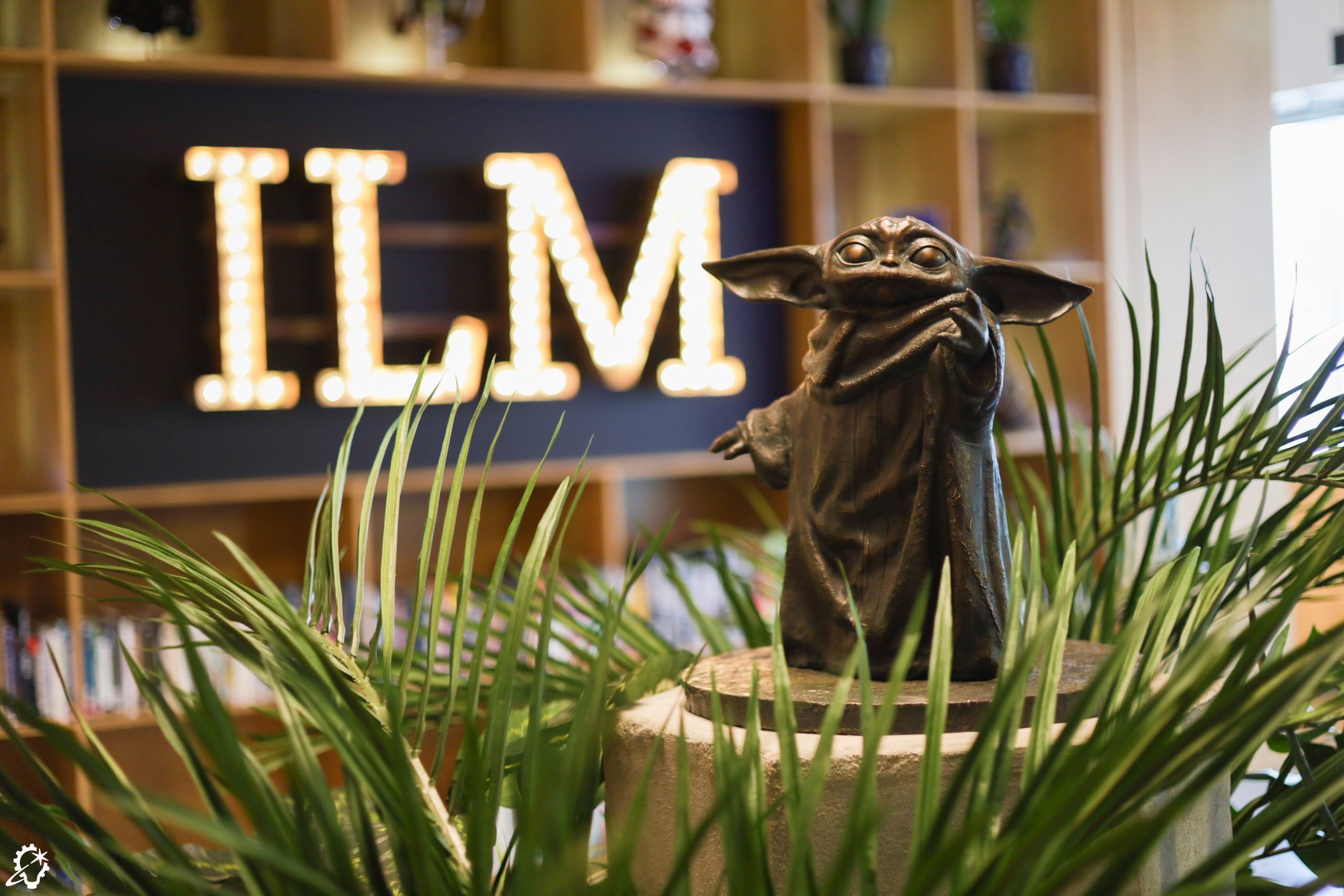
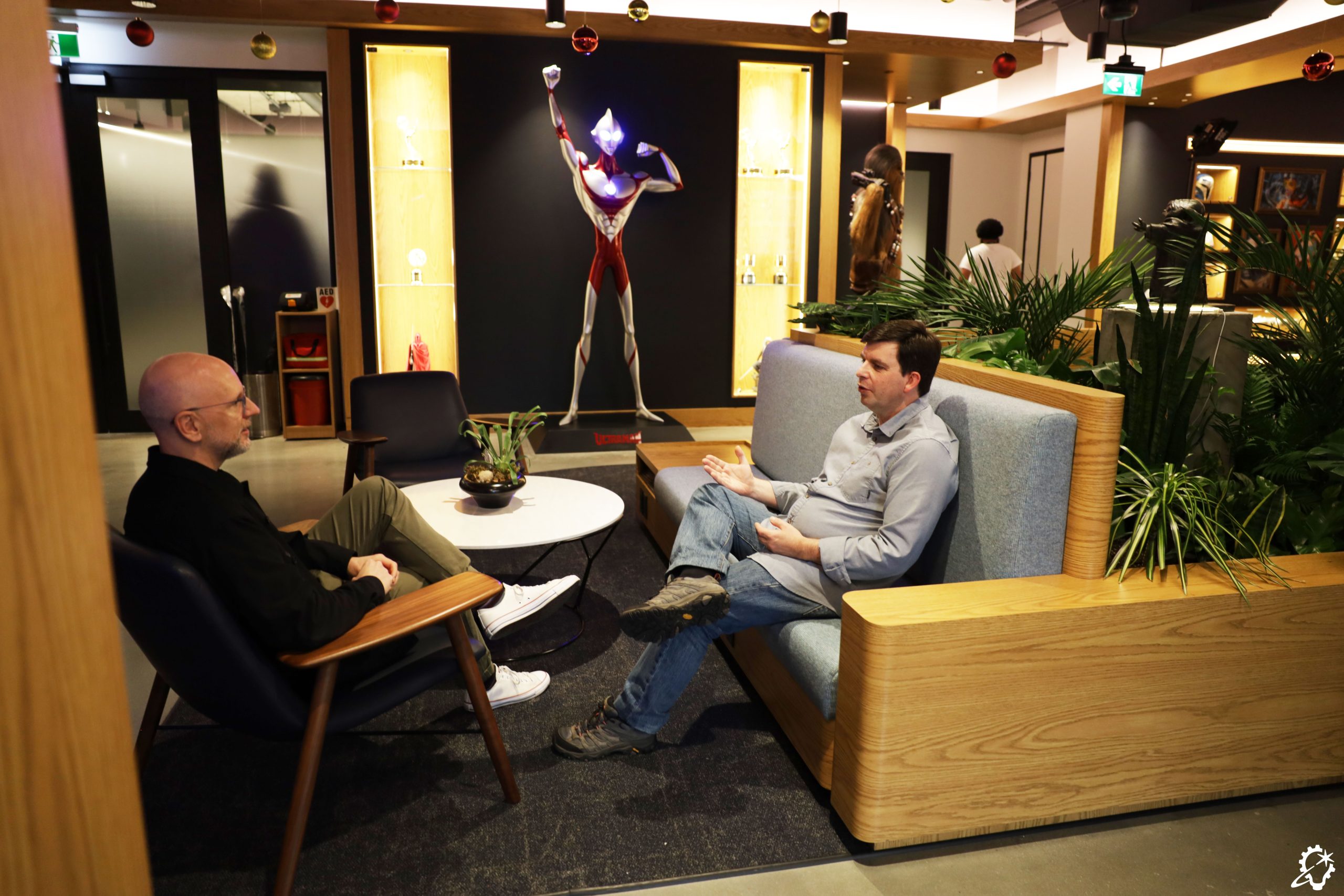
When you arrive at Industrial Light & Magic’s Vancouver office, located in a unique skyscraper known as “The Stack,” the lobby displays creatures, props, and costumes tied to the company’s history, while the view beyond the windows reveals one of the most distinctive environments in the ILM network. Glass, steel, ocean light, and mountain silhouettes frame a workspace where some of the most technically complex and creative imagery in modern filmmaking is created. The Vancouver studio is shaped by its artists, influenced by its location, and sustained by a culture built on collaboration and shared purpose.
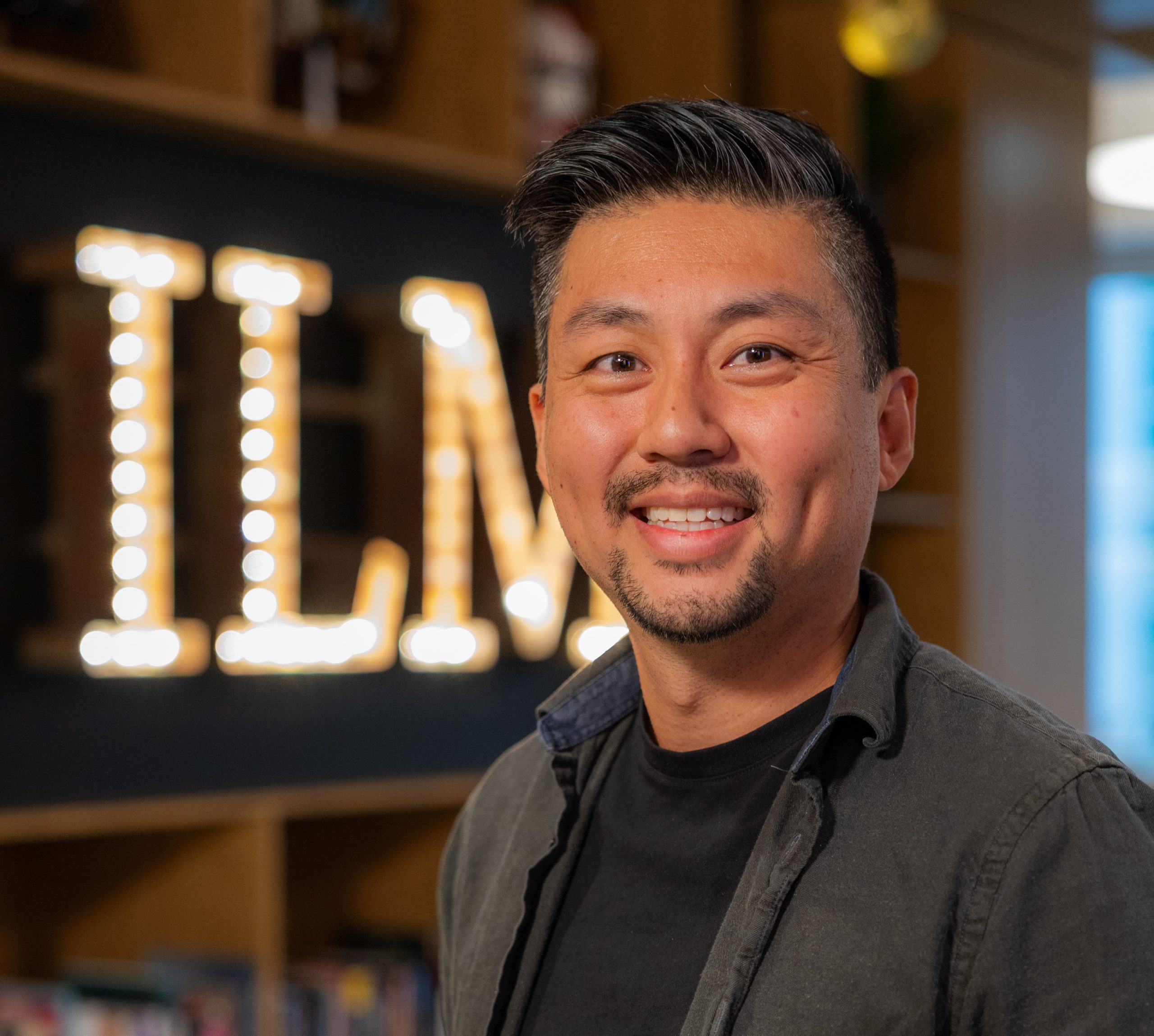
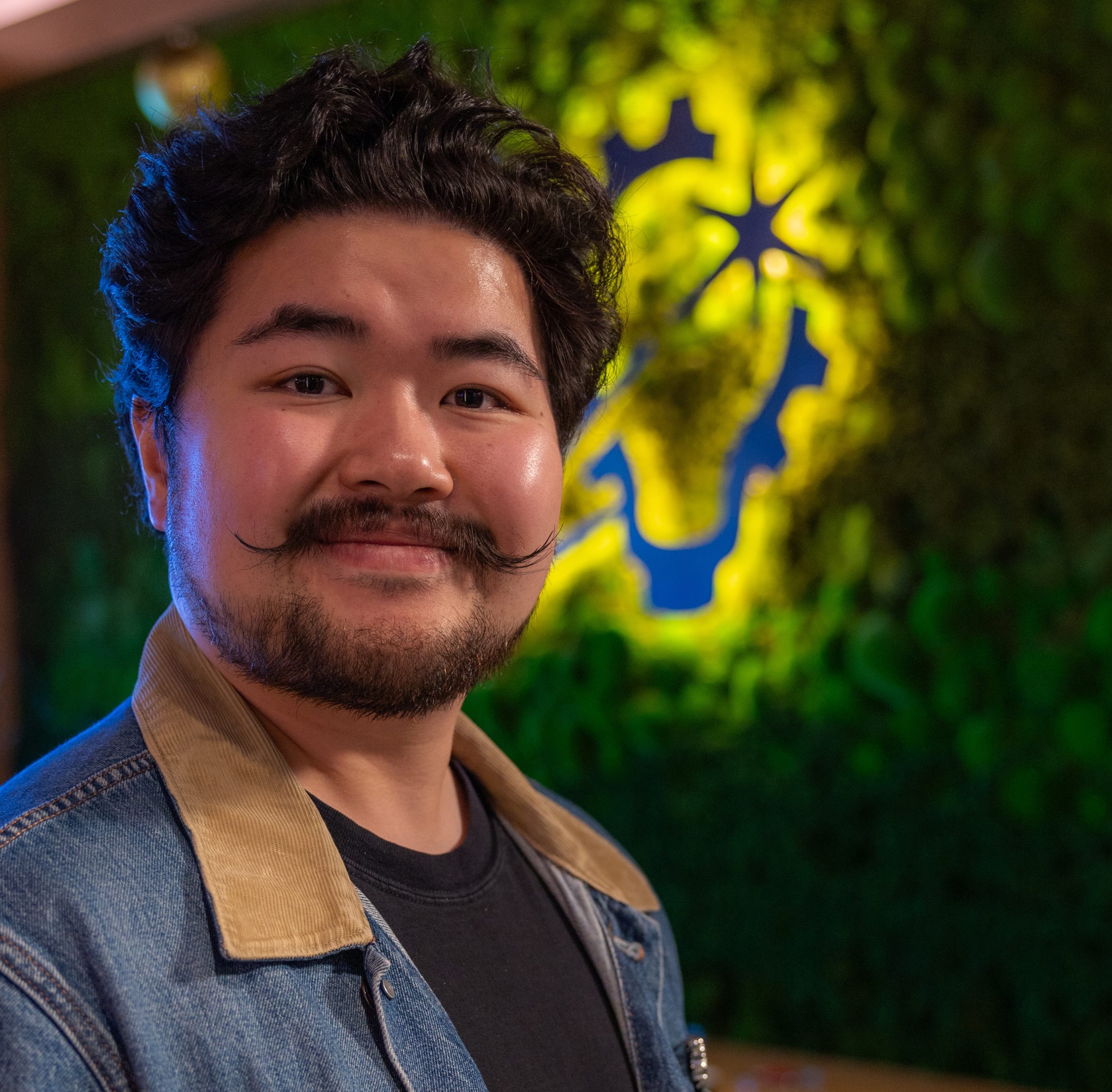
This portrait of ILM’s Vancouver studio emerges from conversations with people working across very different roles inside the studio: senior visual effects trainer Matt Leonard; lead animator Wesley Chandler; senior talent management coordinator Riya Ramani; and visual effects production coordinator William Wu. Their perspectives are reinforced by insights from Toban Taplin, executive in charge at the Vancouver studio, whose role bridges creative leadership, operations, and long-term studio strategy. Across these conversations, a consistent theme emerges. The Vancouver studio is a place defined by people who support each other, a city that inspires them, and a culture that reflects the best of ILM’s past and present.
Leonard’s role as senior visual effects trainer places him at the center of artist support, sharing knowledge across the studio as tools, workflows, and expectations continue to evolve. As a lead animator, Chandler works directly on performance and motion, guiding teams through some of the most creatively demanding sequences on ILM’s projects. Ramani, as senior talent management coordinator, sits at the intersection of people, logistics, and wellbeing, helping ensure that crews are supported not just creatively but sustainably. From the production side, Wu’s role as visual effects production coordinator focuses on communication and continuity, tracking work as it moves between departments and making sure artists have what they need to do their jobs effectively.
People
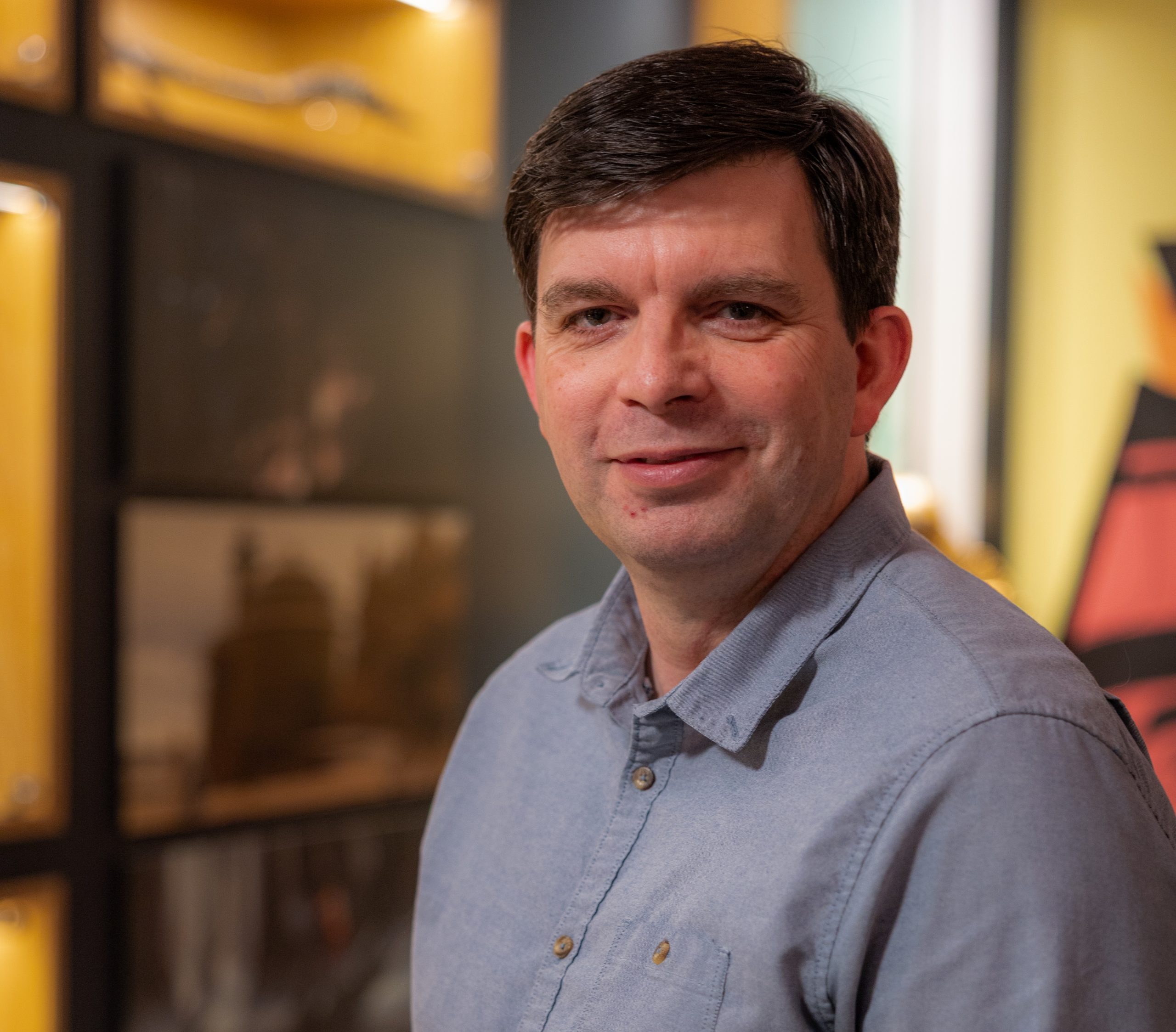
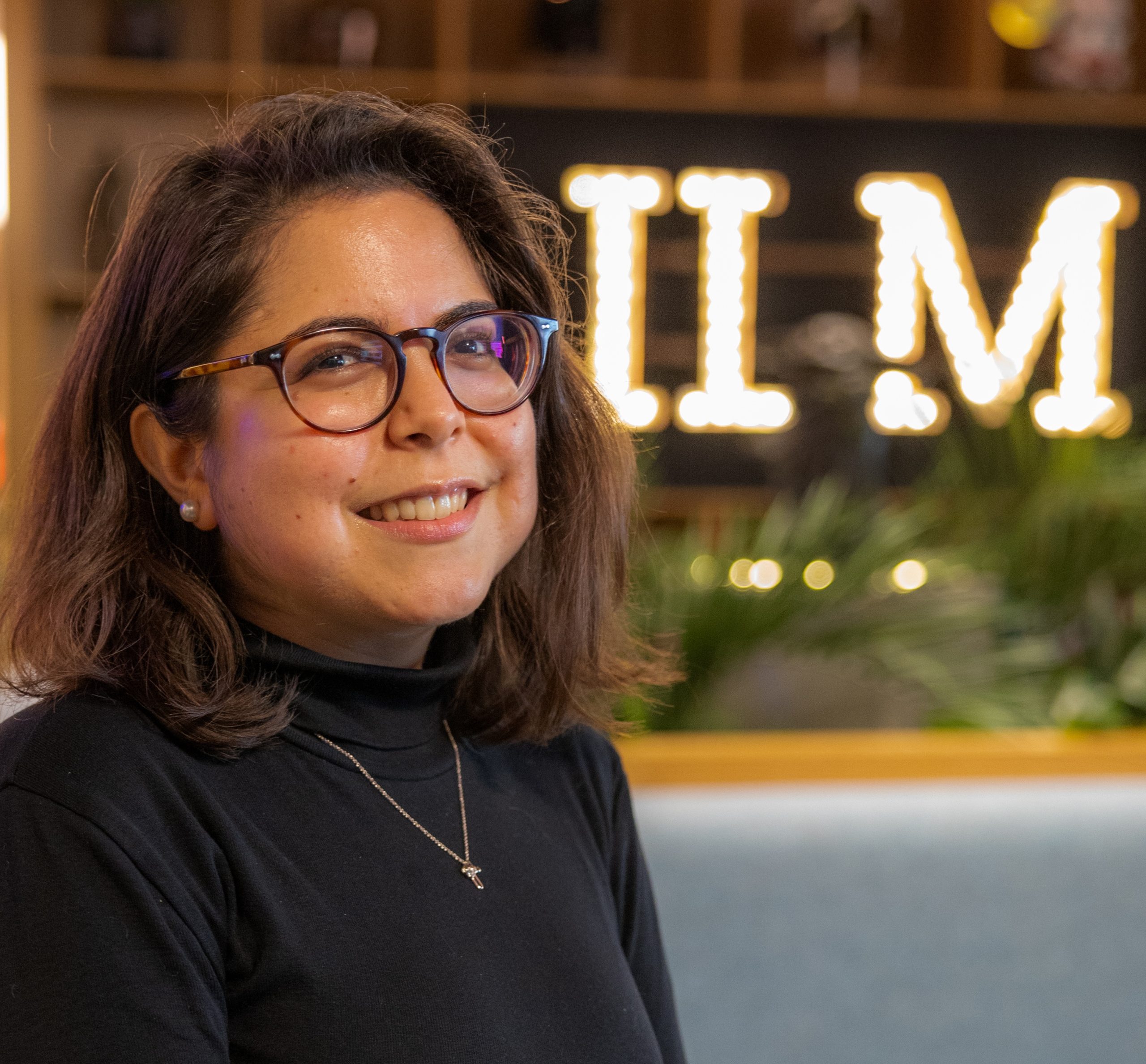
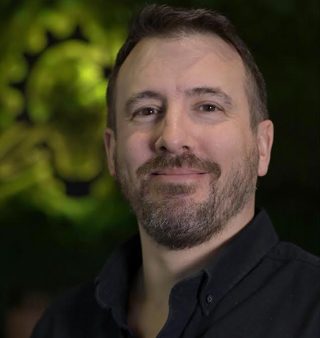
The Vancouver team consistently describes an environment shaped by openness, humility, and care. Matt Leonard, who works across ILM’s global studios, sees this as one of the company’s defining characteristics.
“That was one of the things that really drew me to ILM. From the outset, it felt like a very humble group of people. Having been here nine years, it still feels like there are no egos at all, which is staggering when you think about the calibre of people who work here.”
That absence of ego shows up, not as a slogan, but in everyday interactions. Production staff move between desks, checking in on shot progress. Artists gather for dailies, where work is reviewed openly, with feedback offered constructively from all present. Trainers circulate through departments answering highly specific technical questions. Talent managers quietly track crew wellbeing alongside schedules and contracts. The studio functions as an interlocking system, where each role supports the other.
That sense of care is reflected not only in how people are supported during difficult moments but also in how their time and energy are respected between projects. Wesley Chandler recalls how that approach stood out to him early on.
“I really loved how artist-focused ILM tries to be. That stood out to me quite a bit. I was finishing a project, and my talent manager at the time asked me, ‘Do you want to take some time off after this?’ Then I asked, ‘What do you mean?’ Usually, in visual effects, you go from one very busy project straight to the next. The idea that people could take time off if they wanted to really stood out to me. It felt like they genuinely wanted to make sure artists were well taken care of.”
For Toban Taplin, that environment is not accidental. His own background as an effects artist continues to shape how he thinks about leadership and studio culture.
“When I look back at my time as an artist, the places where I did my best work were the ones where the environment was good, and the people around you were all pulling in the same direction. The challenges on a show don’t feel quite so daunting when you’re sitting next to people you get on with, and feel supported by. A big part of my job is helping to create that environment so people can do their best work.”
For many, that sense of support extends far beyond project deadlines and delivery schedules. Chandler joined the Vancouver team when the industry itself was undergoing significant change, and he experienced that culture at a deeply personal level. “I’m incredibly grateful for how ILM supported my family and me, including giving us time to process a loss in the family. It really felt like they cared about my well-being as a person, not just what I could produce at work.”
That feeling of being valued as a person, not just as a contributor to a shot or a sequence, echoes across departments. Riya Ramani experienced that sense of belonging so strongly that she returned to ILM after a period working abroad. “My journey through different studios eventually led me back to ILM in Vancouver, which I now consider my ohana. What brought me back wasn’t just the work, but the people and the genuine sense of community that makes this place so valuable.”
Even those at earlier stages in their ILM careers feel actively encouraged to participate, learn, and grow. Staff describe an environment where questions are welcomed and curiosity is rewarded, creating a studio culture that supports learning alongside delivery.
Across every role, from production through artists, training, and talent management, the language is consistent. People feel supported, listened to, and encouraged to ask questions. It is a culture built as much on kindness as it is on craft, where emotional intelligence is valued alongside technical mastery.
While the work on-screen often draws the public spotlight, the Vancouver studio is sustained by a much wider network of expertise. Production, talent management, training, facilities, IT, and operations all work in parallel with the artists. Schedules are shaped, careers are guided, systems are maintained, and problems are solved quietly in the background.
Taplin recalls a message forwarded to him by a manager, written by an artist after an ordinary day at work. “They talked about coming into the studio, having breakfast that morning, then later picking up their production gift, and finding hot chocolate and donuts waiting upstairs. They were working on a Star Wars project, surrounded by memorabilia, and they said it felt like they were living their best life that day. Being able to share that feedback with the teams who created that experience is really important. It helps people see that what they’re doing matters.”
Place
Vancouver’s geography is central to the experience of working here. The proximity of mountains, forest trails, and the Pacific Ocean offers people across the studio a balance that many describe as both grounding and energizing. It is a city where an intense day at the workstation can be followed by a swim, a hike, or an evening on the beach. The natural world sits unusually close to the digital one.
Matt Leonard explains the appeal of the surrounding environment. “Within 10 or 20 minutes, you can cross a bridge into the North Shore and suddenly be in the mountains, or head the other way and be on the beach.” For Chandler and his family, that access to the outdoors is part of daily life. “My wife, daughter, and I love the outdoors! There are so many trails around here. We love to do a lot of hiking and camping!”
For William Wu, the character of the city runs deeper than its landscape. Vancouver’s multicultural identity shaped his upbringing and continues to shape his experience at ILM. “For me, Vancouver is home. Growing up in an Asian household, I was never tied to just one culture or one community. I was always surrounded by different cultures, and that became normal. People here are curious about what you appreciate in your culture, what you do for holidays, what your day-to-day life looks like. There’s a real willingness to learn and be open, and people are very kind and respectful. Vancouver is incredibly rich and diverse, and it doesn’t feel like anywhere else in the world.”
Taplin’s own relationship with the city began as a short-term experiment that became something more permanent. “We moved here on a whim, thinking we’d try it for a year. What made us stay was how accessible everything is. I live on the North Shore now, and within 15 or 20 minutes, you can be on a mountain trail, skiing in the evening, or hiking above the clouds. Even on the many grey, rainy days Vancouver has, you can drive up into the mountains, and suddenly you’re above it all, in the sunshine, with snow all around you. That ability to escape so quickly is pretty amazing. You’re immersed in nature all the time, and that’s incredibly inspiring.”
Vancouver has fully embraced its identity as a production city, with everything from major studio features to independent films and television series shooting across the region. Ramani notices that industry presence almost daily. “Working full-time at the office has its perks – our window overlooks Melville Street, where my colleagues and I have had a blast watching camera crews filming outside The Stack.”
That proximity to live production and nature feeds directly into the studio’s creative energy. Forests become reference, shifting Pacific light influences how people observe color and atmosphere, and rain, mist, rock, and water subtly inform the textures seen on-screen. Vancouver is not just a place where ILM happens; it actively shapes how people here see and imagine.
Culture
ILM’s global culture is rooted in a long tradition of collaboration, problem-solving, and shared creative ownership. The Vancouver office reflects that tradition, while adding its own local energy and character.
Training plays a central role in how ILM maintains that culture. Matt Leonard introduces new artists not only to the studio’s tools and workflows, but also to its history. “We run sessions on the history of ILM where we show images from the early days and talk about the people who built the studio. It helps new artists feel part of a much bigger story.”
Access to senior artists and long-time ILM innovators is another constant. Knowledge is not hoarded. It circulates. “You can talk to almost anyone in the company and say you’re struggling or ask how something works,” Leonard says. “People genuinely want to help.”
That openness is visible every day in Vancouver. Wu recalls moments when simple questions lead to unexpected insight, even on landmark films. “I remember someone sending out a question about Jurassic Park, and people who actually worked on the film replied with real details about how those shots were done. It really shows how open the culture is.”
The studio’s hybrid work pattern provides flexibility, but in-person collaboration remains important for many. The ability to sit alongside someone, sketch an idea, or solve a problem together still carries enormous creative value.
“Working from home has brought flexibility that people really value,” Wu explains. “But what being in the studio brings to the collective is different. When senior artists sit next to someone who hasn’t been in the industry for 20 years, that exchange is invaluable. On challenging projects, there’s a real sense of camaraderie that comes from being together.”
Chandler echoes that sentiment from a personal perspective. “For my mental health, I really value being around people. Working fully remote would be difficult for me.”
Ramani sees the impact in small, everyday moments. “I love the spontaneous hallway encounters; sometimes just bumping into a colleague leads to a quick conversation that resolves a challenge on the spot.”
The social culture reinforces those connections. Staff join art clubs, volleyball groups, foodie communities, Inktober challenges, and a wide range of employee resource groups. As Ramani puts it, “The clubs at ILM are definitely a highlight for me. We have a book club, a Pride ERG, a fashion club – there’s something for everyone, and it’s a joy to watch that community expand. It’s wonderful to see our diverse interests celebrated and getting to know my teammates through the things we love outside of our day jobs.”
For Wu, those communities also create everyday moments of creative exchange. “It’s really fun seeing colleagues share their drawings every day during projects like Inktober.”
Culture at ILM Vancouver does not live in policy documents. It lives in behaviour.
Work and Innovation
Vancouver contributes to some of ILM’s most complex and ambitious projects. Artists describe an environment where technical advancement grows directly out of collaboration between departments and disciplines.
The studio is one of ILM’s five global studios, with work frequently moving between sites as projects evolve. That kind of collaboration demands clarity, trust, and a shared technical language. Vancouver’s location on the Pacific coast places it in close alignment with west coast production while remaining deeply connected to each of the other ILM studios.
Matt Leonard offers a concise summary of the studio’s approach to problem-solving. “When a client has an impossible problem to solve, they often come to us. And I’ve never heard anyone here say, ‘We can’t do that.’”
Taplin points to a recent example where that mindset became tangible. “On Percy Jackson and the Olympians, we were being asked to move fast,” he says. “That meant building things locally, including building an ILM StageCraft LED volume and virtual production team, so the creative work could keep evolving. We were able to tap into the expertise from across ILM as a whole and create something new for our team here.”
He sees that approach as both an ILM hallmark and something the Vancouver studio has fully embraced: Drawing on the wider global company while remaining agile enough to respond quickly as new challenges emerge. That mindset plays out through repeated cycles of iteration. Shots evolve through multiple versions. Tools are reshaped and rewritten in response to real production demands. Chandler recently saw how that same approach shaped the work on Avatar: Fire and Ash (2025). “We developed several new tools that allowed us to work much faster and saved animators from having to do things manually.”
From the production side, Wu sees innovation supported by communication and trust. “My job is to make sure people feel supported and that when work moves between departments, communication is clear.”
Innovation at ILM is rarely about sudden breakthroughs. It is about a steady accumulation. Small improvements layered over time. Systems shaped by people solving real, creative problems at scale.
Belonging to a Larger Story
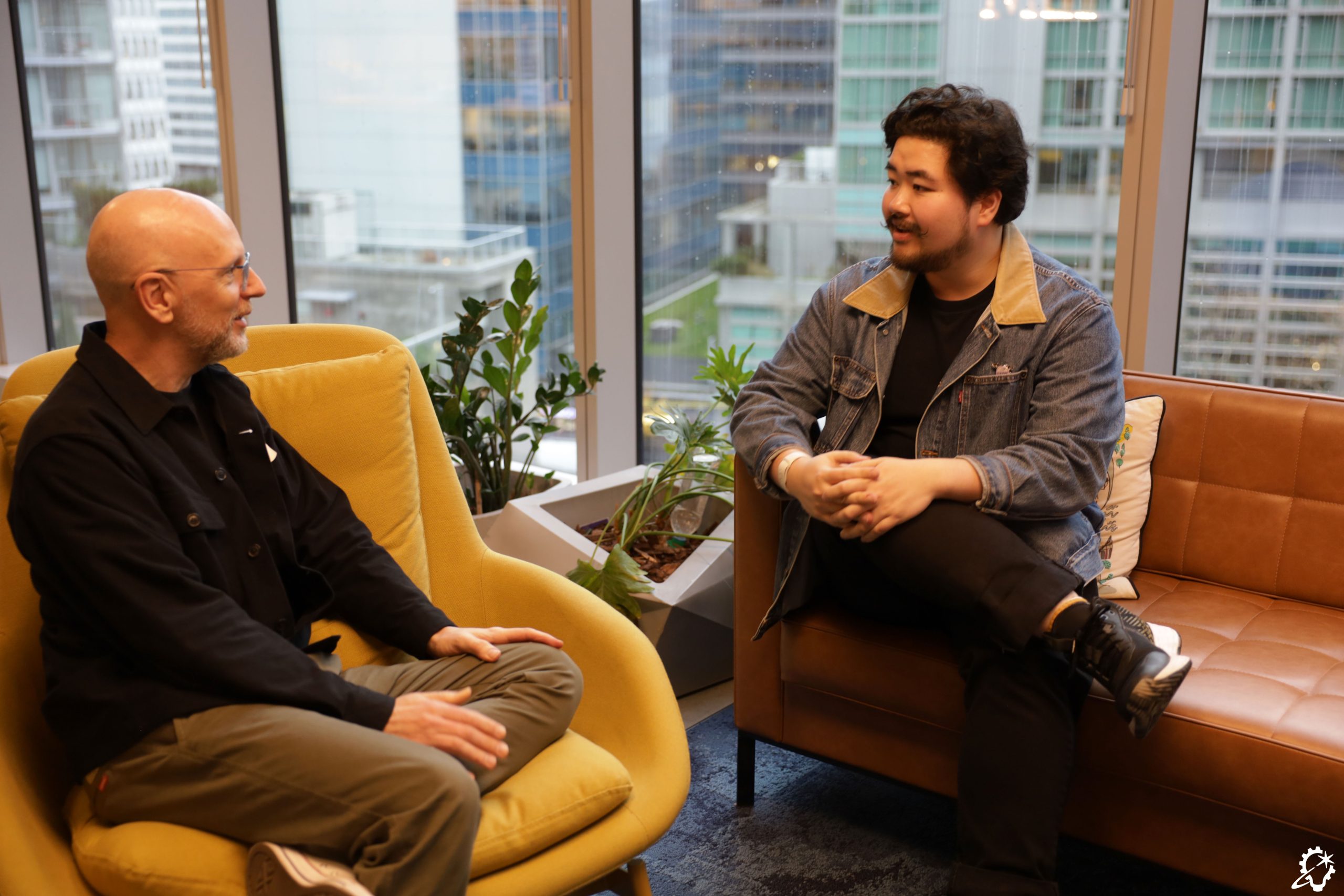
Artists and production staff in Vancouver describe a strong sense of belonging to something bigger than any single show. They recognize both their individual contributions and their place within ILM’s wider history.
Ramani appreciates that the studio formally recognizes the work of every department. “It’s so rewarding to see ILM include the studio support teams in the credits. It reinforces the idea that no project is the result of just one department; it takes an entire community to reach the finish line.”
Leonard notes how quickly new employees begin to feel connected to that legacy. “Very quickly you start to feel like you’re part of something bigger, something that has a real legacy behind it.”
For Taplin, that sense of continuity is essential. “When you look at all the industry pioneers that are at ILM, all of these people that everyone looks up to started as juniors. They were given opportunities, allowed to try things, allowed to fail, and to build over time. It’s important that people here know they can follow that same trajectory. That this can be a place where you build a career, not just move from project to project.”
Wu became aware of the ILM way almost immediately. “Everyone I spoke to before joining said ILM was the best place to be. And once you’re here, you really understand why.”
Careers at ILM often unfold over many years, sometimes with people leaving and returning, carrying new skills back into the studio. That flow of experience continually refreshes the culture while preserving its core identity.
Looking to the Future
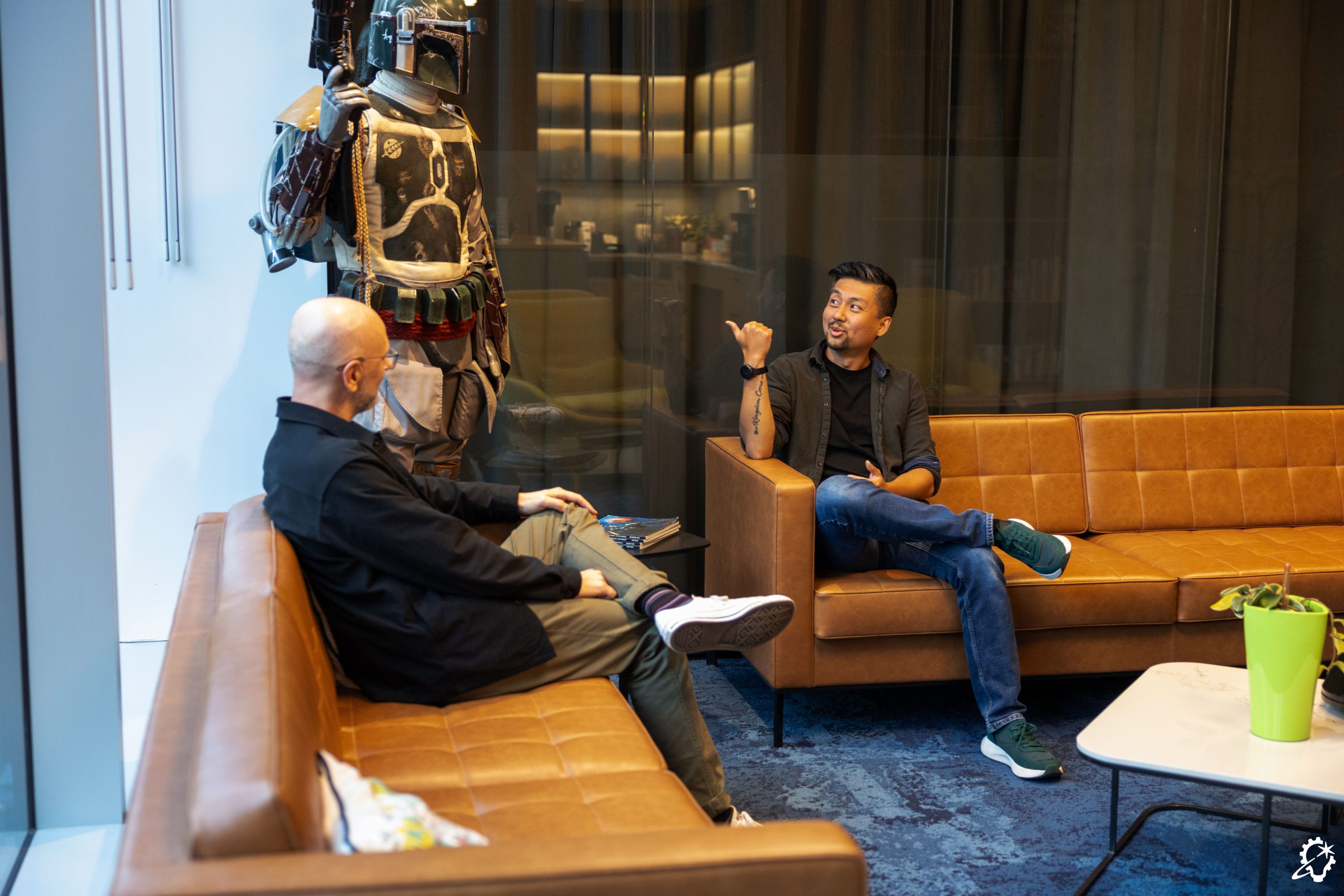
The Vancouver studio is shaped by its people, influenced by its environment, and grounded in a culture of shared learning and collaboration. Artists and staff describe a studio where support is real, questions are encouraged, failure is a part of reaching success, innovation grows from teamwork, and ILM’s long history remains a living part of everyday work.
Taplin sees Vancouver playing an increasingly important role in the studio’s future. “There’s so much change happening in the industry. We need to be at the front of that. The question for us is always what Vancouver can bring to the table that serves the wider studio, while also pushing something new forward.”
He is also clear about the importance of acknowledging every department. “I want to recognize all of the teams that contribute to what we do in Vancouver. People come in every day trying to make things a little bit better, to try something new, and to put ideas forward with the wider team in mind. It’s a huge lift that everyone does, and it’s what makes this a special place to be.”
The values that shaped ILM in its earliest years are clearly still present here. Today, those values are expressed through hybrid workflows, global collaboration, and evolving technology. Looking forward, they will be carried by the next generation of artists, coordinators, trainers, and managers who will shape whatever ILM becomes next.
In a city known for its natural beauty, diverse communities, and deep connection to filmmaking, ILM’s Vancouver studio continues to expand the studio’s legacy across film, television, and emerging formats. It remains a place where people can build careers, push technology forward, and contribute to stories told around the world.
ILM’s Vancouver studio is located on the traditional, ancestral, and unceded territories of the Coast Salish Peoples, including the xʷməθkwəy̓əm (Musqueam), Skwxwú7mesh (Squamish), and Səl̓ílwətaʔ/Selilwitulh (Tsleil-Waututh) Nations. We thank all First Nations who have lived and worked on these territories from time immemorial.
–
Jamie Benning is a filmmaker, author, and podcaster with a lifelong passion for sci-fi and fantasy cinema. He hosts The Filmumentaries Podcast, featuring twice-monthly interviews with behind-the-scenes artists. Visit Filmumentaries.com or find him on X (@jamieswb) and @filmumentaries on Threads, Instagram, Facebook, and YouTube.